

India Slashes EV Charger Benchmark Prices by Over Half, Enhances Charging Capacity


The Government of India has reduced benchmark prices for EV chargers by more than 50% while enhancing charging capacity specifications. This significant policy change is expected to lower subsidy claims for EV charging infrastructure providers, as the reduced benchmarks will serve as the basis for subsidy calculations under existing government schemes.

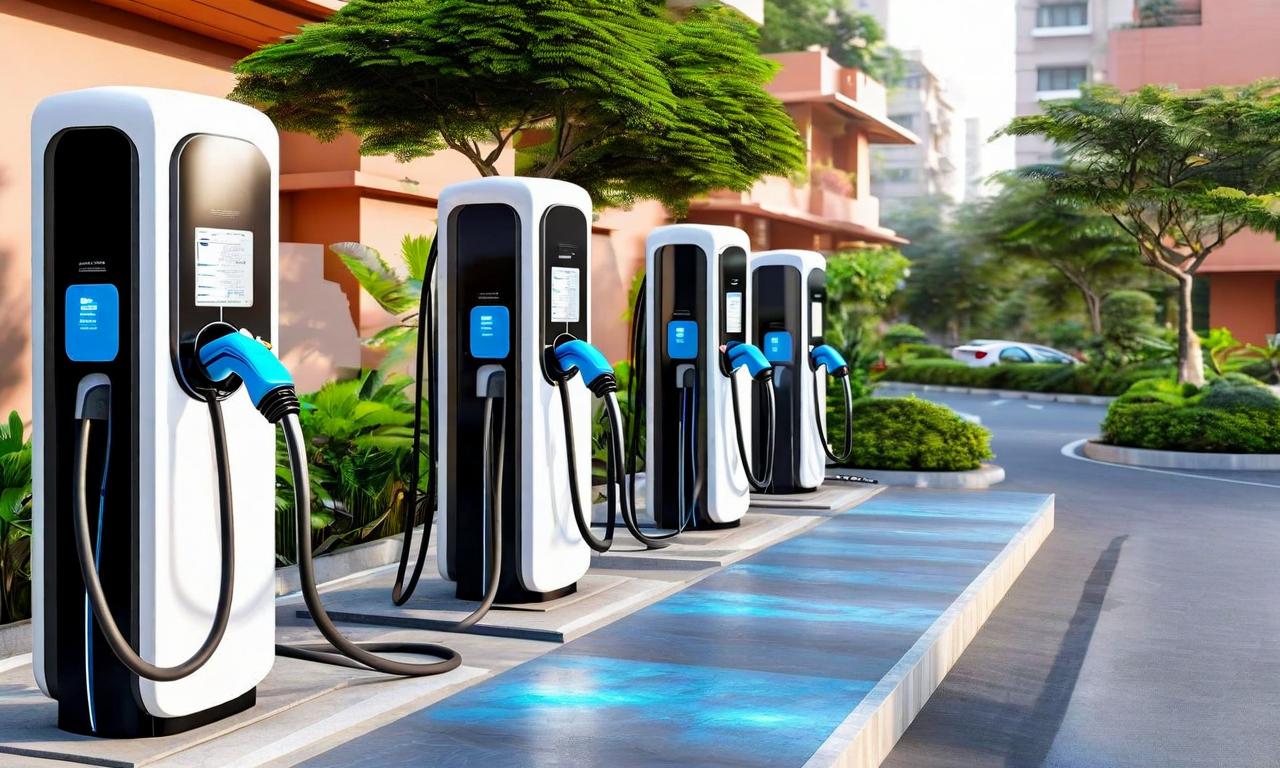

*this image is generated using AI for illustrative purposes only.
The Government of India has announced a major policy revision that will significantly impact the electric vehicle charging infrastructure sector. The government has reduced benchmark prices for EV chargers by more than half while simultaneously enhancing the charging capacity requirements.
Benchmark Price Reduction
The substantial reduction in benchmark prices represents a significant shift in the government's approach to EV charging infrastructure development. This move affects how pricing standards are set for electric vehicle charging equipment across the country.
Enhanced Charging Capacity
Alongside the price reductions, the government has also upgraded the charging capacity specifications. This enhancement aims to improve the overall efficiency and capability of EV charging infrastructure nationwide.
Impact on Subsidy Claims
The sharp reduction in benchmark prices is expected to have a direct effect on subsidy claims submitted by EV charging infrastructure providers. With lower benchmark prices serving as the basis for subsidy calculations, providers may see reduced subsidy amounts under existing government support schemes.
Sector Implications
This policy change affects companies operating in the EV charging infrastructure space, as they will need to adjust their business models and pricing strategies according to the new benchmark standards. The revised benchmarks will likely influence future project planning and investment decisions in the sector.
 16
16















 Create Custom Screeners
  Access 200+ Pre-built Filters
  Use 50+ Readymade Screener





