

India Announces Import Check Reforms Amid US Trade Talks


India has announced reforms to streamline its import quality checks, addressing concerns raised by the United States. The reforms include reduced paperwork, shorter approval timelines, fewer inspections, enhanced technology-driven systems, and more accessible processes for enterprises. These changes aim to accelerate processes and make quality assurance faster and more transparent. The reforms are part of ongoing negotiations between India and the US towards finalizing a trade agreement and resolving tariff disputes.

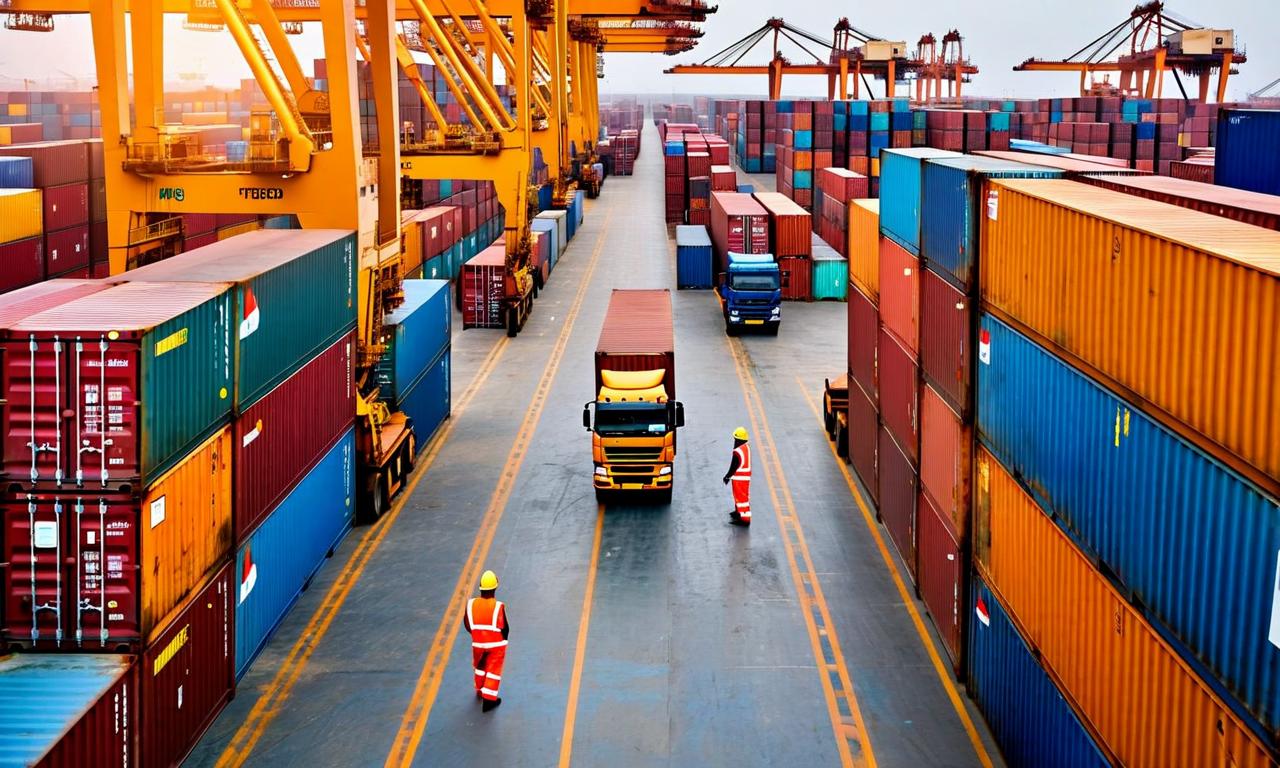

*this image is generated using AI for illustrative purposes only.
India has announced reforms to streamline its import quality checks, addressing concerns raised by the United States as both nations work toward finalizing a trade agreement. The reforms represent a step in ongoing negotiations between New Delhi and Washington, aimed at resolving tariff disputes.
Key Reform Measures
The trade ministry outlined several improvements to the import quality check process:
| Reform Area | Details |
|---|---|
| Paperwork | Reduced documentation requirements |
| Processing Time | Shorter approval timelines |
| Inspections | Fewer quality approval inspections |
| Technology | Enhanced technology-driven systems |
| Transparency | More accessible processes for enterprises |
Background and Context
The reforms address US concerns over what it described as India's "burdensome" import-quality requirements. These concerns have been a point of contention in trade discussions between the two nations. New Delhi and Washington have been working to negotiate a trade agreement that could resolve several ongoing disputes.
Trade Agreement Implications
India hopes the broader trade agreement may bring relief from the 50% tariff imposed by President Donald Trump on some of its main exports. These tariffs were implemented as a response to India's Russian oil purchases, creating additional strain on bilateral trade relations.
Official Statement
Jaxay Shah, chairman of the Quality Council of India, commented on the changes. "The reforms aim to accelerate processes, reduce turnaround times, and leverage technology-driven systems to make quality assurance faster, more transparent, and more accessible for enterprises, institutions, and citizens," Shah stated.
Expected Impact
The reforms are designed to benefit multiple stakeholders, including enterprises, institutions, and citizens by creating a more efficient and transparent import quality assurance system. The technology-driven approach is expected to improve processing speeds while maintaining quality standards.
These reforms are seen as a step in addressing US concerns and potentially paving the way for a trade agreement that could resolve ongoing tariff disputes between the two nations. As negotiations continue, both countries appear to be working towards finding common ground and improving their trade relationship.
 16
16






 Access Market Heat-map & Insights
  Create, Save & Share your Screener
  Use 200+ Screening Filters





