

IFSCA Unveils Draft Guidelines for Algorithmic Trading on IFSC Stock Exchanges


IFSCA has released draft guidelines for algorithmic trading on IFSC stock exchanges, proposing mandatory order tagging, dummy filters, and financial penalties to address systemic risks. The framework establishes three key safeguards including robust risk controls, real-time monitoring, and compliance enforcement measures. Stock exchanges must approve algorithms before deployment while market participants must maintain transparency, with structured penalties for violations including trading suspensions and terminal restrictions.

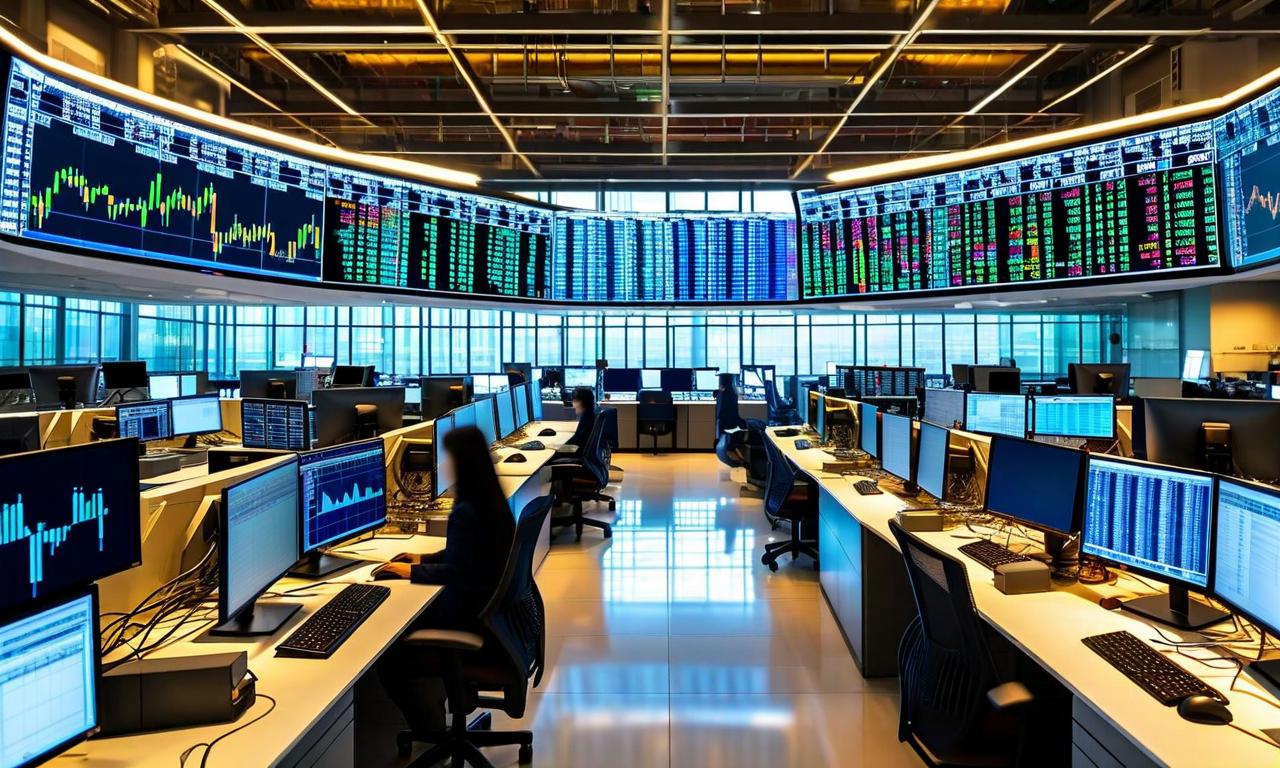

*this image is generated using AI for illustrative purposes only.
The International Financial Services Centres Authority (IFSCA) has unveiled draft guidelines for algorithmic trading on IFSC stock exchanges in Gift City, introducing comprehensive measures to enhance market integrity and prevent systemic risks. The consultation paper, made public on Friday, proposes mandatory tagging of all algorithmic orders, implementation of "dummy filters" for securities without price bands, and financial penalties for excessive order-to-trade ratios.
Key Regulatory Safeguards
The draft guidelines establish three primary safeguards to address the risks associated with algorithmic trading:
| Safeguard Category | Requirements |
|---|---|
| Risk Controls | Robust controls on price, quantity, and order value |
| Real-time Monitoring | Continuous surveillance and shutdown of dysfunctional algorithms |
| Compliance Enforcement | Penalties or trading suspensions for repeated OTR violations |
Algorithmic trading, also known as black-box trading, utilizes computer programs to execute trades at lightning speed. While this technology can boost market efficiency, it carries inherent risks including market volatility, manipulation potential, and operational failures that could trigger systemic disruptions.
Exchange and Participant Obligations
Under the proposed framework, stock exchanges must approve trading algorithms before deployment and conduct initial conformance tests. The guidelines mandate continuous monitoring of trading activity, with exchanges empowered to intervene during instances of disorderly trading. Market participants are required to disclose their algorithms and maintain transparency in their trading operations.
The regulatory framework addresses concerns about market stability, with the consultation paper noting that "unchecked algorithms can cause systemic risks, such as flash crashes, affecting overall financial stability." These measures aim to create a globally aligned framework for high-speed trading within India's International Financial Services Centres.
Penalty Structure and Enforcement
The draft guidelines introduce a structured penalty system for non-compliance:
- Order-based Charges: Exchanges may impose per-order charges for high order-to-trade ratios to discourage order flooding
- Trading Suspensions: Persistent violations occurring more than ten times in a rolling 30-day window may result in suspension of proprietary trading privileges for the opening hour of the following session
- Terminal Suspension: In extreme cases, trading terminals of non-compliant participants may be suspended
Ongoing Compliance Requirements
Both market participants and exchanges must conduct regular system audits to ensure continued compliance with the guidelines. Exchanges are specifically required to periodically review their surveillance arrangements to detect market manipulation or disruptions and implement necessary improvements.
The consultation paper is now open for public and market participant feedback, representing IFSCA's commitment to creating a robust regulatory framework that balances innovation with market protection. These comprehensive measures aim to combine transparency, accountability, and systemic risk mitigation in India's evolving financial services landscape.
 16
16






 Create Custom Screeners
  Access 200+ Pre-built Filters
  Use 50+ Readymade Screener





