Deepinder Goyal Steps Down as Zomato CEO After 18 Years of Leadership

2 min read     Updated on 22 Jan 2026, 10:53 AM
scanx
Reviewed by
Shriram SScanX News Team
AI Summary

Deepinder Goyal has resigned as CEO of Zomato after 18 years, transitioning to vice chairman of parent company Eternal. He announced the decision in a Wednesday letter to shareholders, citing plans to focus on exploration and experimentation beyond core business operations. Under his leadership, Zomato became India's largest food delivery platform and completed strategic acquisitions including Blinkit to enter quick commerce.


powered bylight_fuzz_icon
30605018

*this image is generated using AI for illustrative purposes only.

Deepinder Goyal, the founder and CEO of Zomato, has announced his decision to step down from his leadership role after 18 years at the helm of the food delivery giant and its parent company Eternal. The announcement represents a significant transition for one of India's most prominent startup leaders.

Leadership Transition Details

Goyal communicated his decision through a letter to shareholders on Wednesday, outlining his plans to transition from his current CEO position to the role of vice chairman at Eternal. The leadership change comes as Goyal seeks to redirect his focus toward what he described as "exploration and experimentation beyond the company's core businesses."

Position Details: Information
Current Role: CEO, Zomato and Eternal
New Role: Vice Chairman, Eternal
Tenure as CEO: 18 years
Announcement Method: Letter to shareholders

Company Evolution Under Goyal's Leadership

During Goyal's tenure, Zomato transformed from a startup into India's largest food delivery and restaurant review platform. The company achieved significant milestones under his guidance, establishing itself as one of India's earliest and most successful unicorn companies.

The platform's growth trajectory included strategic expansion into the quick commerce sector through major acquisitions, most notably the purchase of Blinkit. This acquisition positioned Zomato as a key player in India's rapidly growing quick delivery market, extending the company's reach beyond traditional food delivery services.

Industry Impact and Market Position

Zomato's development under Goyal's leadership fundamentally changed India's food delivery landscape. The platform became synonymous with online food ordering and restaurant discovery, setting industry standards and influencing consumer behavior across the country.

The company's success contributed to establishing Goyal as a prominent figure in India's startup ecosystem, particularly within the quick delivery and food technology sectors. His leadership helped navigate the company through various market challenges and competitive pressures while maintaining its market-leading position.

Future Direction

With this transition, Goyal indicated his intention to pursue ventures and initiatives that extend beyond Zomato's established business operations. While remaining connected to the company as vice chairman of the parent entity Eternal, he plans to dedicate time to exploratory projects and experimental business concepts.

The leadership change marks a pivotal moment for Zomato as the company continues operating in India's competitive food delivery and quick commerce markets. The transition comes at a time when the quick delivery sector continues experiencing significant growth and evolution across the Indian market.

like16
dislike

AIIMS Doctor Questions Scientific Validity of Deepinder Goyal's Temple Brain Health Wearable

2 min read     Updated on 05 Jan 2026, 06:11 PM
scanx
Reviewed by
Naman SScanX News Team
AI Summary

Deepinder Goyal's experimental brain health wearable Temple has sparked controversy after the Zomato CEO wore it during a podcast appearance. While described as a device to monitor brain blood flow based on Goyal's aging research interests, AIIMS doctor Dr. Datta strongly criticized it as having zero scientific standing and warned against pseudoscientific health technology claims.

powered bylight_fuzz_icon
29162494

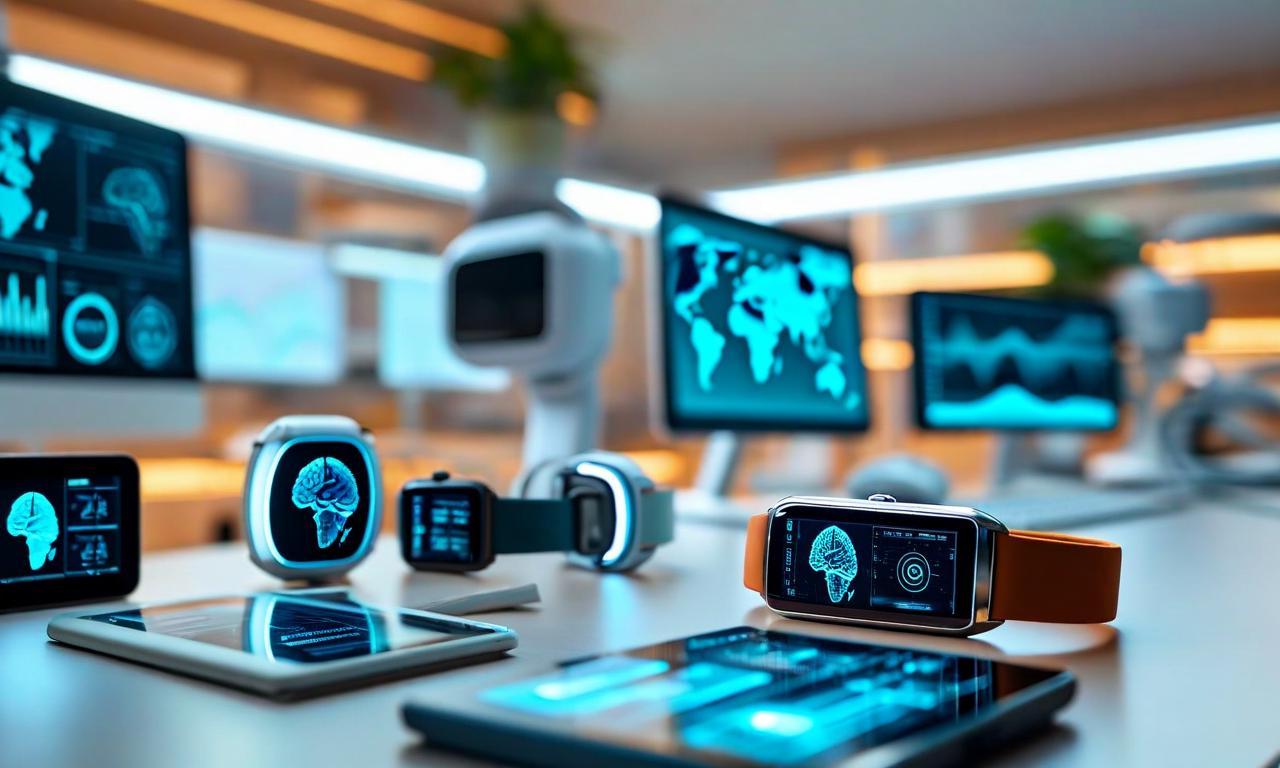
*this image is generated using AI for illustrative purposes only.

A controversy has erupted over Deepinder Goyal's experimental health-tech wearable device after the Zomato CEO was spotted wearing it during a podcast appearance. The device, called Temple, has drawn both curiosity and sharp criticism from the medical community, highlighting ongoing debates about scientific validation in wearable technology.

Device Details and Purpose

Startup founder Vineeth K provided details about the mysterious device that Goyal wore on the side of his head during his appearance on Raj Shamani's podcast. According to Vineeth K's explanation on social media platform X, Temple is described as an experimental health-tech wearable designed to continuously measure blood flow to the brain.

Parameter: Details
Device Name: Temple
Function: Continuous brain blood flow measurement
Status: Research prototype, not consumer product
Development Stage: Experimental project

The concept behind Temple stems from Goyal's interest in aging, cognition, and longevity research. Vineeth K linked the device to what he described as Goyal's "Gravity Aging Hypothesis," which explores how gravity over time may impact cerebral blood flow and overall brain health. The startup founder positioned Temple as a glimpse into the future of wearable brain-health technology rather than a current commercial offering.

Medical Community Pushback

The claims surrounding Temple have drawn strong criticism from medical professionals. Dr. Datta, a physician-scientist from AIIMS Delhi, delivered a scathing assessment of the device's scientific credibility. As one of India's earliest researchers in Arterial Stiffness and Pulse Wave Velocity since 2017, Dr. Datta stated that the device currently has zero scientific standing as a useful medical device.

Medical Expert: Dr. Datta, AIIMS Delhi
Specialization: Physician-scientist, Arterial Stiffness research
Assessment: Zero scientific standing
Recommendation: Advised against purchasing such devices

Dr. Datta specifically warned people not to waste their hard-earned money on what he characterized as "fancy toys billionaires can afford to waste money on." He directly challenged Vineeth K's claims about the device representing the future of health technology, stating he had to respectfully disagree and urging against hyping up pseudoscientific developments.

Development Background and Market Position

Goyal had previously hinted at Temple's development in December, describing it as part of his long-term interest in understanding brain aging and cognitive health monitoring through technology. The device's official website maintains an air of mystery, featuring only the cryptic tagline: "The future of health starts where no one's looking. Inside your brain."

The controversy occurs amid reports that the startup behind Temple is seeking to raise approximately ₹415.00 crore in funding. The investment round reportedly includes participation from prominent firms such as Steadview Capital and Vy Capital, among others.

Industry Implications

The debate surrounding Temple underscores broader questions about evidence-based validation, regulatory oversight, and responsible communication in the rapidly evolving wearable technology sector. The clash between entrepreneurial innovation claims and medical community skepticism highlights the challenges facing health-tech startups in establishing scientific credibility.

The controversy reflects ongoing tensions between technological advancement promises and rigorous scientific validation requirements in the healthcare wearables market. As wearable health technology continues expanding, the Temple debate illustrates the critical importance of peer-reviewed research and medical community acceptance for legitimizing new health monitoring devices.

like20
dislike