
 NewsCESL Concludes India's Largest E-Bus Tender for 10,900 Electric Buses Under PM E-Drive Scheme
CESL Concludes India's Largest E-Bus Tender for 10,900 Electric Buses Under PM E-Drive Scheme


Convergence Energy Services Ltd (CESL) has completed the tendering process for 10,900 electric buses under the PM E-Drive Scheme. The tender saw strong participation with 16 bidders, of which 14 were technically qualified. The buses will be distributed across major cities including Bengaluru (4,500), Delhi (2,800), Hyderabad (2,000), and Ahmedabad & Surat (1,600). The procurement uses a gross cost contract model where private operators will manage bus operations, charging infrastructure, and fleet management. This initiative is expected to significantly reduce carbon emissions and enhance public transport in urban areas.

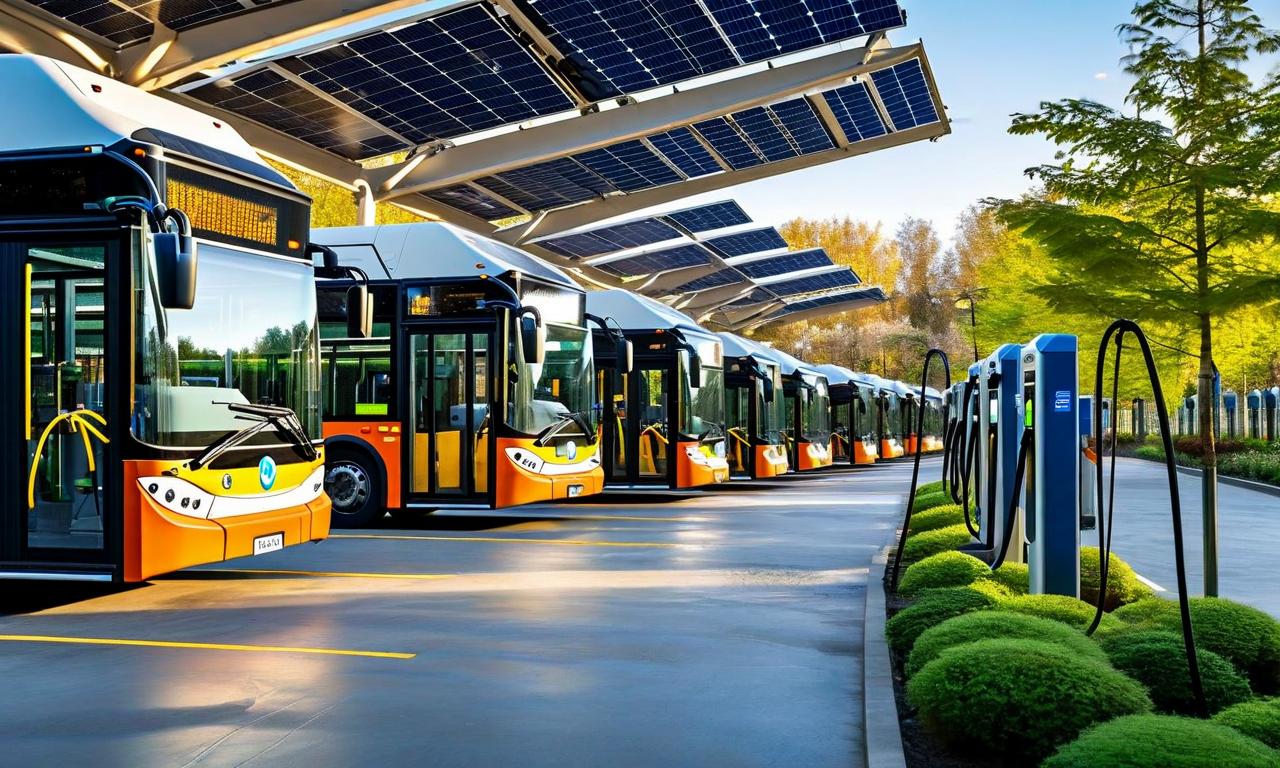

*this image is generated using AI for illustrative purposes only.
Convergence Energy Services Ltd (CESL), a wholly owned subsidiary of Energy Efficiency Services Ltd (EESL), has successfully concluded the tendering process for 10,900 electric buses under the PM E-Drive Scheme. This procurement represents one of the largest electric bus tenders in India, demonstrating the government's commitment to expanding clean public transportation infrastructure.
Strong Industry Response Reflects Market Maturity
The mega tender witnessed robust participation from the electric mobility sector, with 16 bidders entering the process. Of these, 14 bidders were technically qualified and had their financial bids opened, reflecting strong interest from electric bus manufacturers and operators across the industry.
The competitive participation highlights the growing maturity of India's electric mobility ecosystem and the increasing confidence of private players in the sector's potential.
City-wise Bus Allocation and Distribution
The procurement covers multiple cities and Union Territories under CESL's aggregation-based approach. The distribution plan allocates buses strategically across major urban centres to maximize impact on public transportation.
| City/Region | Planned Bus Allocation |
|---|---|
| Bengaluru | ~4,500 buses |
| Delhi | ~2,800 buses |
| Hyderabad | ~2,000 buses |
| Ahmedabad & Surat | ~1,600 buses |
The respective city transport undertakings (CTUs) will issue letters of award and enter into concession agreements directly with selected operators following the tender conclusion.
Gross Cost Contract Framework
The procurement operates under CESL's aggregation-based gross cost contract (GCC) model, which provides a comprehensive framework for electric bus deployment. Under this structure, private operators assume responsibility for multiple aspects of the program:
- Ownership, operation, and maintenance of electric buses
- Development of charging infrastructure at designated depots
- Energy management systems implementation
- Fleet management and operational efficiency
City transport agencies will pay a fixed per-kilometre fee to operators, ensuring affordability and financial sustainability for public transportation systems. This model transfers operational risks to private partners while maintaining cost predictability for government agencies.
Environmental and Transportation Impact
The deployment of 10,900 electric buses is expected to contribute significantly to reducing carbon emissions and air pollution across participating cities. The initiative will enhance the quality and reliability of public transport in major urban centres while supporting India's broader clean mobility transition goals.
CESL noted that the rates discovered through the competitive bidding process were attractive and lower than initial estimates, providing additional value for participating cities and their transportation budgets.
Strengthening Clean Mobility Leadership
With this milestone achievement, CESL continues to strengthen its role as a key enabler of India's clean mobility transition. The company's approach emphasizes transparent procurement processes, competitive aggregation strategies, and large-scale implementation of electric public transport solutions across multiple jurisdictions simultaneously.
 18
18





 Access 50+ Readymade Screeners
  Use 200+ Custom Filters
  Get Full Market Insights





