

Ashiana Ispat Board Meeting Addresses Director Removal and Post-War Steel Market Strategy


Ashiana Ispat Limited's board meeting on March 9, 2026, addressed two critical matters: the proposed removal of Director Ms. Darshan and strategic planning for post-war steel market opportunities. The board decided not to circulate Ms. Darshan's response to shareholders, citing lack of statutory request and concerns about content appropriateness. Additionally, the company initiated a comprehensive market research project to analyze the impact of Iran-Israel-USA geopolitical conflicts on the global steel industry, focusing on TMT steel bars and identifying future business opportunities in the post-war scenario.


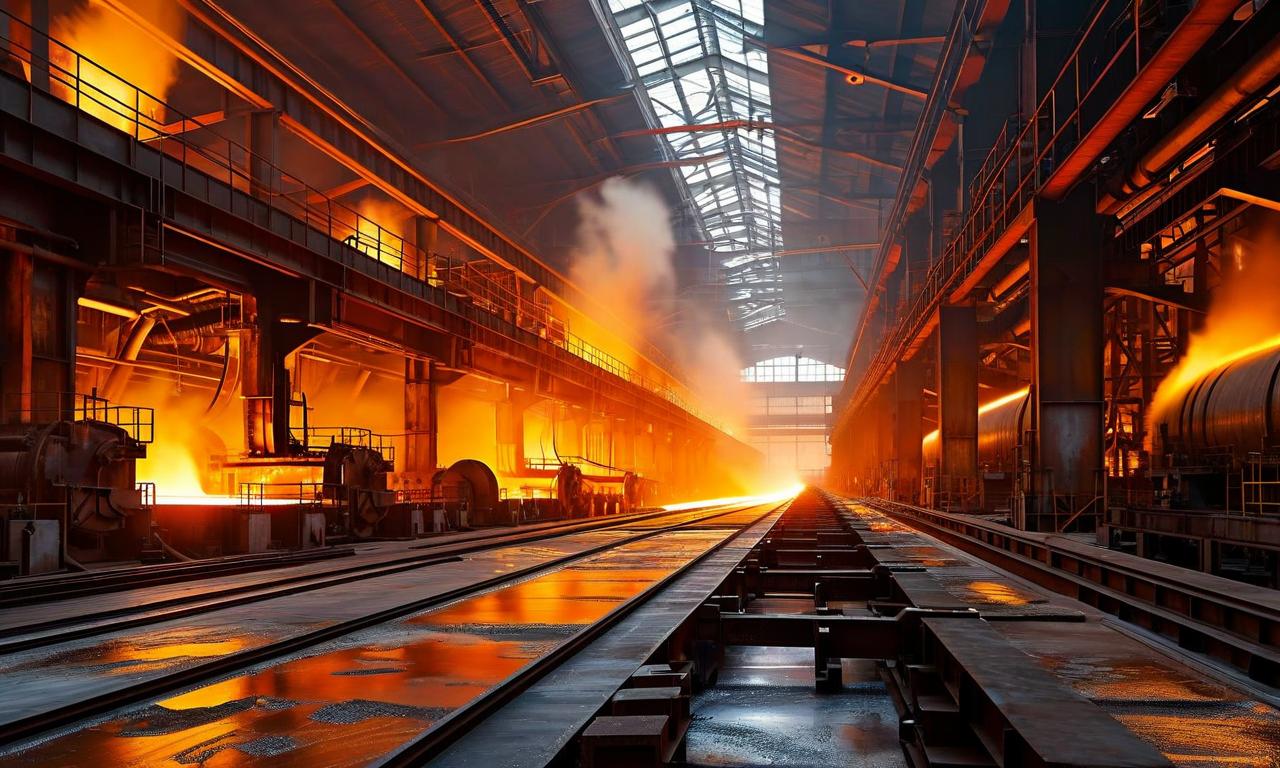
*this image is generated using AI for illustrative purposes only.
Ashiana Ispat Limited conducted a significant board meeting on March 9, 2026, addressing critical corporate governance matters and strategic business planning amid evolving geopolitical circumstances. The meeting, held from 3.00 PM to 5.30 PM, covered two primary agenda items under Regulation 30 of SEBI listing requirements.
Director Removal Matter Resolution
The board examined the written response submitted by Ms. Darshan, Non-executive Non-Independent Director, dated February 24, 2026, concerning the shareholder proposal for her removal from office under Section 169 read with Section 115 of the Companies Act, 2013.
| Decision Parameter: | Board Resolution |
|---|---|
| Circulation Request: | Not submitted by Director |
| Content Assessment: | Contains extraneous and defamatory statements |
| Statutory Obligation: | No requirement to circulate to shareholders |
| Final Decision: | Reply will not be circulated |
The board noted several key factors in reaching this decision:
- The director's reply did not include any request for circulation to shareholders as representation under Section 169(4) of the Companies Act, 2013
- The response contained statements deemed extraneous, irrelevant, and defamatory in nature
- Without a specific request from the director, the company has no statutory obligation to circulate the reply to members
Post-War Business Strategy Discussion
The board engaged in comprehensive discussions regarding the potential impact of ongoing geopolitical conflicts on the global steel industry, particularly focusing on the TMT steel bar sector used in construction. The conflict between Iran and the Israel-USA alliance has created significant implications for the steel market dynamics.
| Strategic Focus Area: | Research Scope |
|---|---|
| Supply Chain Analysis: | Diversification of raw material sources |
| Energy Management: | Renewable integration and hedging strategies |
| Technology Investment: | Green steel technologies development |
| Market Expansion: | India, ASEAN, and MENA regions |
| Risk Management: | Logistics and supply chain resilience |
Market Research Initiative
The board has assigned a specialized market research agency to conduct comprehensive analysis of geopolitical tensions and global economic shifts affecting the steel and alloys industry. This research initiative will focus on identifying potential risks including supply chain disruptions and energy price volatility, while simultaneously exploring future opportunities in the post-war global steel market.
The research agency will undertake strategic analysis in several critical areas:
- Diversification strategies for raw material supply chains
- Energy hedging through renewable integration and long-term contracts
- Investment opportunities in green steel technologies
- Expansion possibilities into high-growth markets such as India, ASEAN, and MENA regions
- Development of comprehensive resilience strategies for logistics and supply chain disruptions
Strategic Positioning for Future Growth
The board expressed strong support for this strategic initiative, recognizing its importance in positioning Ashiana Ispat Limited to capitalize on future opportunities in the evolving global steel market. Board members emphasized their commitment to innovation, growth, and establishing a stronger global presence in the post-conflict business environment.
This comprehensive approach demonstrates the company's proactive stance in addressing both immediate corporate governance requirements and long-term strategic planning in an increasingly complex global market landscape.








 Access Market Heat-map & Insights
  Create, Save & Share your Screener
  Use 200+ Screening Filters





