

SoftBank Reduces Stake in Ola Electric Mobility to 13.53% Amid Market Challenges


SoftBank Group has reduced its stake in Ola Electric Mobility from 15.68% to 13.53% by selling 94.6 million shares between September 2025 and January 2026. The divestment is part of broader investor exits amid the company's operational challenges, including a 43.16% revenue decline and market share drop from 36.7% to 16.1%. Other major investors including Tiger Global, Hyundai Motor, and Kia Corporation have also reduced their holdings significantly.


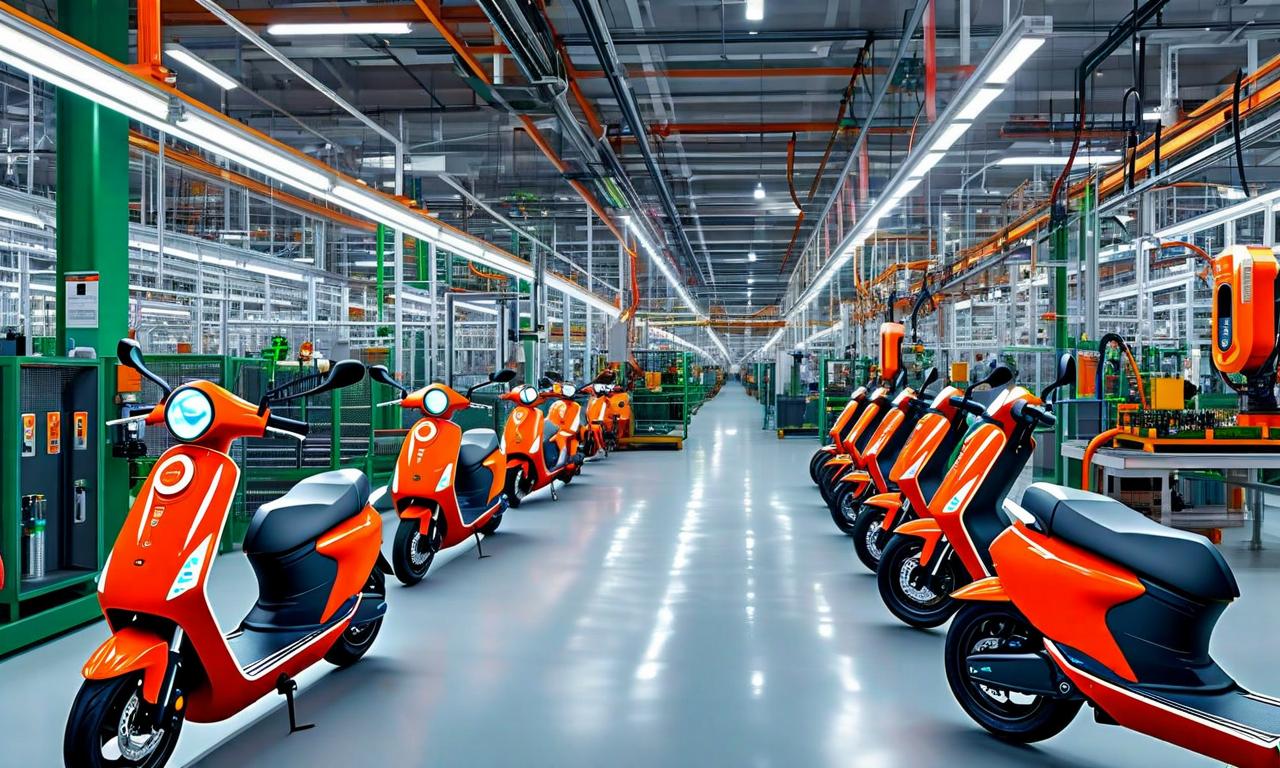
*this image is generated using AI for illustrative purposes only.
Ola Electric Mobility Ltd has witnessed significant investor exits as SoftBank Group continues to reduce its stake in the electric vehicle manufacturer. The Japanese investment giant, led by Masayoshi Son, has trimmed its holding from 15.68% to 13.53% over the past four months, marking another phase of divestment in the Bengaluru-based company.
SoftBank's Continued Divestment
SoftBank Group, the second-largest shareholder in Ola Electric after founder Bhavish Aggarwal, sold approximately 94.6 million shares through a series of open market transactions conducted between September 3, 2025, and January 5, 2026. This latest round of stake sales follows a similar divestment pattern from earlier periods.
| Transaction Period | Shares Sold (Million) | Stake Reduction |
|---|---|---|
| July 15 - September 2 | 94.9 | 17.83% to 15.68% |
| September 3, 2025 - January 5, 2026 | 94.6 | 15.68% to 13.53% |
Broader Investor Exit Pattern
The stake reduction extends beyond SoftBank, with several global and strategic investors trimming their exposure to Ola Electric. Tiger Global Management and Alpha Wave Ventures, which previously held 3.24% and 2.83% respectively as of June last year, now maintain residual stakes of less than 1% each according to September quarter shareholding disclosures.
Strategic investors have also participated in the sell-off:
| Investor | Shares Sold (Million) | Proceeds (₹ Crores) | Sale Period |
|---|---|---|---|
| Hyundai Motor Company | 108.8 | 552 | June 2025 |
| Kia Corporation | 27.0 | 137 | June 2025 |
Financial Performance Challenges
The investor exits coincide with deteriorating financial performance for Ola Electric. The company's operational metrics show significant stress across key parameters.
| Financial Metric | September 2024 | September 2025 | Change |
|---|---|---|---|
| Revenue | ₹1,214 crores | ₹690 crores | -43.16% |
| Net Loss | ₹495 crores | ₹418 crores | Reduced by ₹77 crores |
While the company managed to reduce its net loss, the substantial revenue decline of 43.16% highlights operational challenges in the competitive electric vehicle market.
Market Share Erosion
Ola Electric has experienced significant market share erosion in the electric two-wheeler segment. According to Vahan data, the company's market share dropped dramatically from 36.7% in 2024 to 16.1% in 2025. This decline reflects intensified competition from established players including TVS Motor Company, Bajaj Auto, Ather Energy, and Hero MotoCorp, who have expanded their presence and captured larger market shares.
Current Market Position
Despite the challenges, Ola Electric shares showed resilience on Monday, rising up to 2.60% to reach a high of ₹40.54 compared to the previous close of ₹39.49. The company maintains a market capitalization of ₹17,268.40 crores and continues to operate one of India's largest automated electric two-wheeler factories, the Ola Futurefactory in Tamil Nadu, along with an extensive network of customer experience and service centers across the country.
Historical Stock Returns for Ola Electric Mobility
| 1 Day | 5 Days | 1 Month | 6 Months | 1 Year | 5 Years |
|---|---|---|---|---|---|
| -0.03% | -5.29% | -5.87% | -3.30% | -30.04% | -61.49% |
 15
15








 Access 50+ Readymade Screeners
  Use 200+ Custom Filters
  Get Full Market Insights





