

Roopa Screen IPO Day 2: Subscribed 5.41x; QIB surges 1613%; Retail hits 9.57x


- Roopa Screen IPO subscribed 5.41x on Day 2, up from 1.36x on Day 1.
- QIB demand surged 1613% intraday to close at 2.57x.
- Retail investors led with 9.57x subscription, followed by sHNI at 6.91x.
- Issue closes on 28-09-2026 with allotment on 29-09-2026.

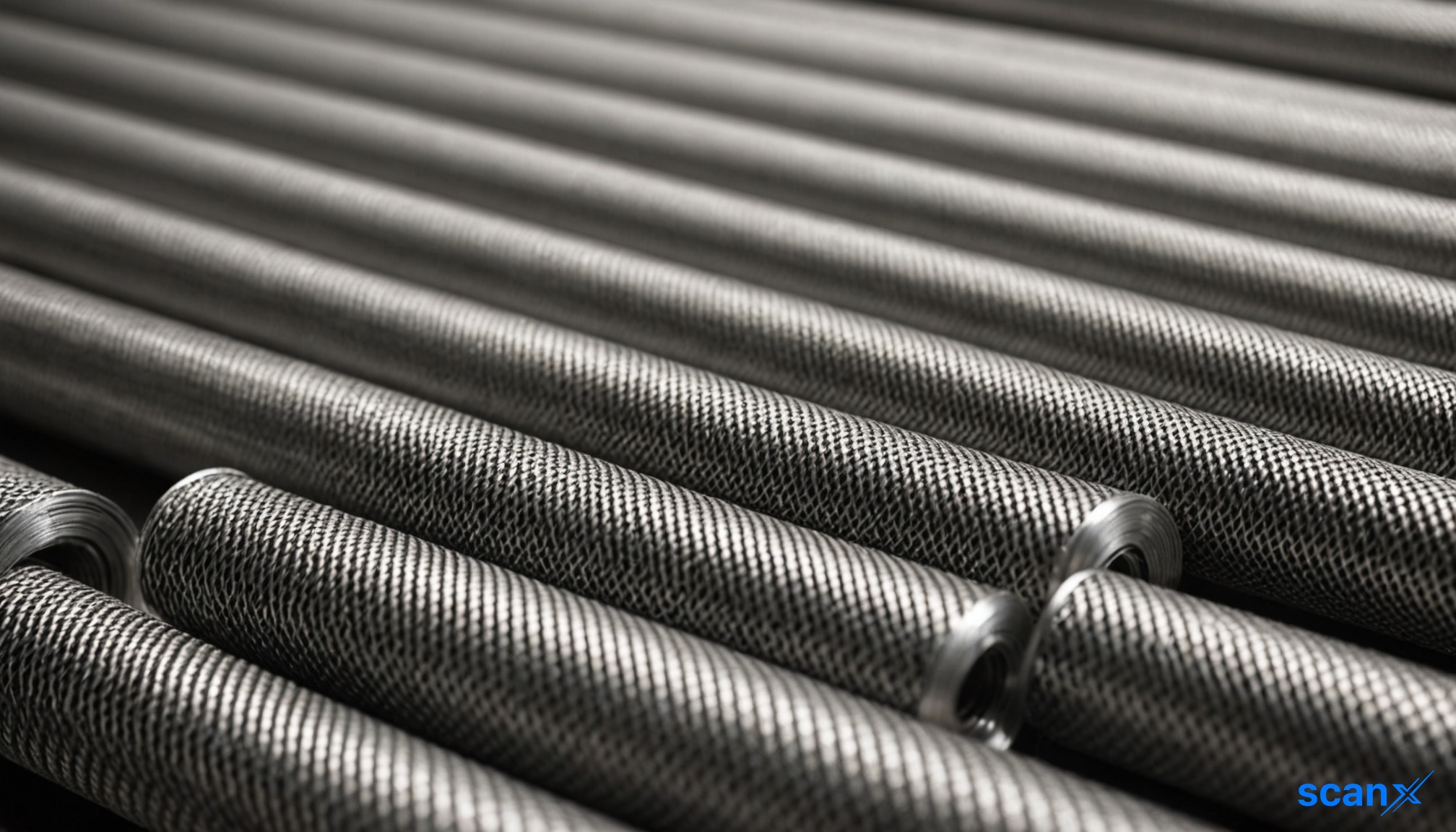

*this image is generated using AI for illustrative purposes only.
Roopa Screen IPO closed its subscription window on September 28, 2026, with a staggering overall subscription of 257.29x. Retail investors led the charge with 491.43x bids, while QIBs surged to 44.33x.
Subscription Status
The issue witnessed explosive growth in demand during the final bidding day. Starting from a modest 1.36x on Day 1 and accelerating to 5.41x on Day 2, the total subscription jumped dramatically to 257.29x by the close of Day 3. The intra-day momentum was particularly intense after 2 pm, with the total subscription rising from 148.79x at 14:15 IST to 200.92x at 15:15 IST, before settling at the final figure of 257.29x.
| Day | Date | QIB | NII (bHNI) | NII (sHNI) | Retail | Total |
|---|---|---|---|---|---|---|
| Day 1 | 24-09-2026 | 0.15x | 2.19x | 1.56x | 2.89x | 1.36x |
| Day 2 | 25-09-2026 | 2.57x | 6.91x | 4.25x | 9.57x | 5.41x |
| Day 3 | 28-09-2026 | 44.33x | 391.84x | 427.74x | 491.43x | 257.29x |
Category-wise Breakdown
Retail investors emerged as the dominant force, closing at 491.43x—a significant leap from their Day 2 close of 9.57x. Non-Institutional Investors also showed robust appetite, with Small HNIs (sHNI) subscribing 427.74x and Big HNIs (bHNI) reaching 391.84x. Qualified Institutional Buyers (QIBs) demonstrated strong conviction, ending the day at 44.33x, up from 2.57x on Day 2.
Intra-day Timeline — Day 2 (25-09-2026)
QIB demand remained stagnant at 0.15x until the 2 pm snapshot before accelerating sharply in the final three hours of trading. Retail investors maintained a steady upward trajectory throughout the day, ticking up consistently every hour. The total subscription crossed the 4x mark around 4 pm and closed above 5x.
| Time (IST) | QIB | NII (bHNI) | Retail | Total |
|---|---|---|---|---|
| 11:15 | 0.15x | 3.79x | 5.08x | 2.26x |
| 12:15 | 0.15x | 4.06x | 6.07x | 2.64x |
| 13:15 | 0.15x | 4.36x | 6.76x | 2.90x |
| 14:15 | 0.15x | 4.80x | 7.44x | 3.18x |
| 15:15 | 0.94x | 6.00x | 8.17x | 3.98x |
| 16:15 | 1.27x | 6.39x | 8.86x | 4.48x |
| 17:15 | 2.57x | 6.91x | 9.57x | 5.41x |
Offer Details
| Parameter | Details |
|---|---|
| Price Band | ₹60.00000 – ₹64.00000 per share |
| Issue Size | ₹240000 crore – ₹500000 crore |
| Minimum Bid Quantity | 4,000 shares |
| Bidding Open | September 24, 2026 |
| Bidding Close | September 28, 2026 |
About the Company
Roopa Screen Limited, incorporated in 2013, manufactures rotary nickel screens used in rotary screen-printing machines for textile manufacturers. The company offers Delta, Penta, Standard, and Nova variants and trades nickel cathodes as an ancillary activity. Operations are based in Sanand, Ahmedabad, serving over 200 customers across 11 Indian states.
Financial Highlights
| Metric (₹ crores) | FY2026 | FY2025 | FY2024 |
|---|---|---|---|
| Revenue from Operations | 50.73 | 45.34 | 35.71 |
| Total Revenue | 51.32 | 45.63 | 35.85 |
| Profit Before Tax | 8.69 | 6.27 | 2.01 |
| Net Profit | 6.48 | 4.69 | 1.50 |
| Total Assets | 30.00 | 22.47 | 19.66 |
Objects of the Issue
- Capital Expenditure (₹9.90 crores): Setting up a new manufacturing facility adjacent to the existing Sanand unit to increase installed capacity from 74,400 to 163,200 screens per annum.
- Working Capital (₹6.00 crores): Meeting incremental working capital requirements to support business expansion.
- General Corporate Purposes: Covering operating expenses and business development, not exceeding 15% of Gross Proceeds or ₹10 crores, whichever is lower.
Risk Factors
- Discontinued Narol Operations: Manufacturing at the Narol unit was discontinued effective December 15, 2025, due to lack of statutory approvals, posing capacity constraints and regulatory risks.
- Textile Sector Dependence: Almost all revenues are derived from textile-sector customers, exposing the company to sector-specific demand slowdowns.
- Product Concentration: Penta Screen accounted for 38.54% of revenue from operations in FY2026.
- Customer Concentration: Top 10 customers contributed 34.53% of revenue from operations in FY2026, with no long-term contracts in place.
- Raw Material Volatility: Top 10 suppliers accounted for 96.73% of total purchases in FY2026, exposing the company to nickel price volatility.
What's Next
Allotment of shares is scheduled for September 29, 2026. The listing date is set for October 1, 2026.

How might the late-session surge in QIB demand influence the final subscription multiples and potential grey market premium ahead of the October 1 listing?
Will the proposed capacity expansion to 163,200 screens per annum sufficiently mitigate the risks associated with the company's high product and customer concentration?
What impact could continued volatility in nickel prices have on Roopa Screen's margins given its reliance on top 10 suppliers for nearly all raw material purchases?
 19
19




 Access 50+ Readymade Screeners
  Use 200+ Custom Filters
  Get Full Market Insights





