Piper Sandler lowers Tyson Foods price target to $78

scanx
Reviewed by
Radhika SScanX News Team
Key Highlights

Piper Sandler analyst Michael Lavery reiterated an Overweight rating on Tyson Foods but lowered the price target to $78 from $80, adjusting the valuation outlook while maintaining a positive long-term view.


powered bylight_fuzz_icon
43344319

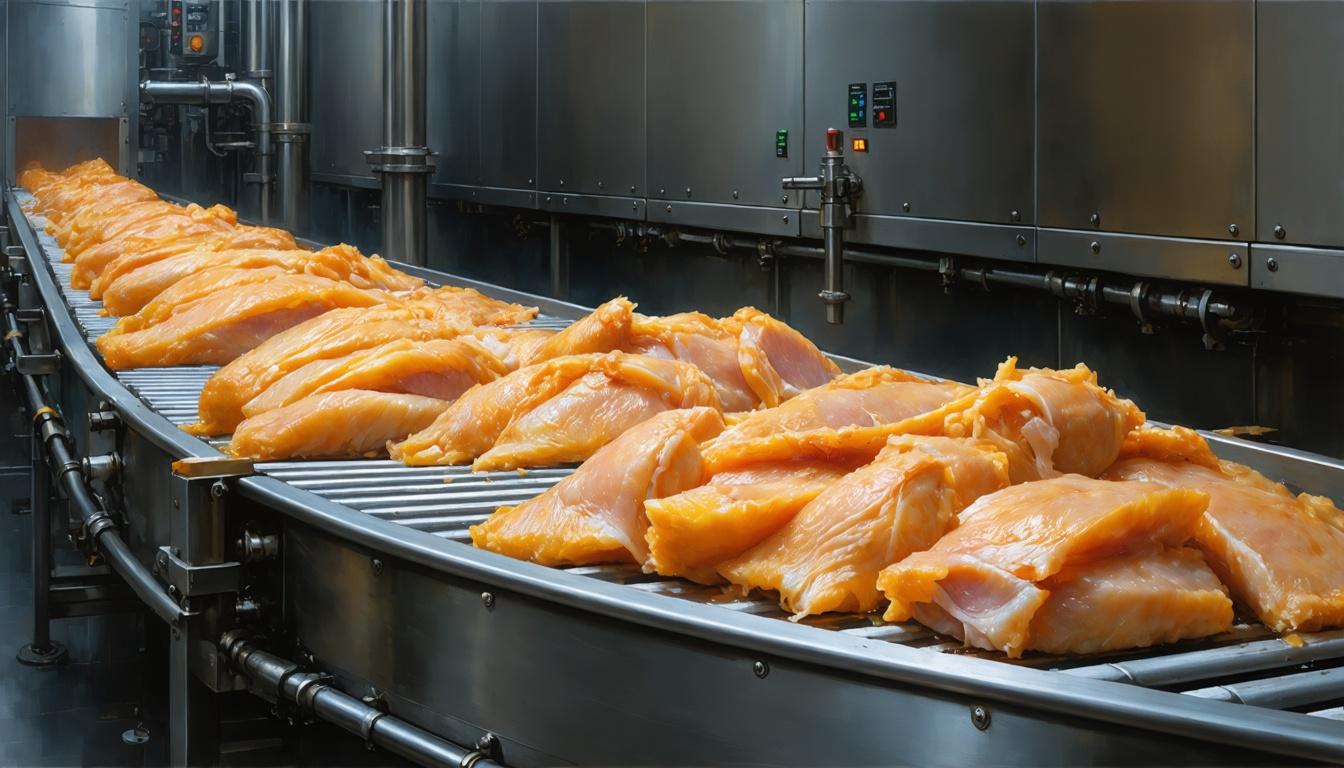
*this image is generated using AI for illustrative purposes only.

Piper Sandler analyst Michael Lavery has reiterated an Overweight rating on Tyson Foods while lowering the price target to $78 from $80. The revised target suggests a tempered outlook on the stock's near-term valuation potential despite the continued positive stance on the company's performance.

Rating and Price Target Adjustment

The decision to lower the price target comes as the firm recalibrates its expectations for Tyson Foods. The Overweight rating indicates that the stock is still expected to outperform the broader market or its sector peers over the specified period.

Metric Previous Value Revised Value
Rating Overweight Overweight
Price Target $80 $78

The maintenance of the Overweight rating implies confidence in the underlying business fundamentals, even as the price target acknowledges potential headwinds or a more conservative valuation model.

What specific headwinds prompted Piper Sandler to lower the price target despite maintaining an Overweight rating?

How might Tyson Foods' performance compare to its sector peers in the near term given the tempered outlook?

What changes in Tyson's business fundamentals could justify a future upward revision of the price target?

like17
dislike

Tyson Foods files for mixed shelf offering

scanx
Reviewed by
Jubin VScanX News Team
Key Highlights

Tyson Foods has filed a mixed shelf offering with the SEC, enabling the issuance of debt and equity securities. The filing did not disclose the total offering size. Proceeds may be used for general corporate purposes, including acquisitions and debt repayment.

powered bylight_fuzz_icon
42571397

*this image is generated using AI for illustrative purposes only.

Tyson Foods has filed a mixed shelf offering with the SEC, allowing the company to issue various debt and equity securities in the future. The filing, submitted on February 26, 2026, did not disclose the total aggregate amount of securities that may be offered. This registration provides Tyson Foods with the flexibility to raise capital as market conditions dictate, though specific financial details regarding the offering size remain unspecified.

The mixed shelf offering enables the company to sell different types of securities, including common stock, preferred stock, debt securities, and warrants. These instruments may be offered separately or in units, and the company can utilize the proceeds for general corporate purposes. The filing indicates that Tyson Foods intends to use the funds for working capital, capital expenditures, acquisitions, or the repayment of debt, depending on its strategic needs at the time of issuance.

By establishing this shelf registration, Tyson Foods positions itself to act quickly on financing opportunities without needing to file separate registration statements for each future offering. The securities will be offered through agents, dealers, or directly to investors, as determined by the company. The filing includes a prospectus supplement that will contain specific terms of each offering when they occur.

The following table outlines the types of securities that may be offered under this shelf registration:

Security Type Description
Common Stock Shares of the company's common stock
Preferred Stock Shares of preferred stock, with terms to be determined
Debt Securities Notes, bonds, debentures, or other debt instruments
Warrants Warrants to purchase common or preferred stock
Units Combinations of the above securities

The filing was made with the SEC and is available for public review. Tyson Foods has not yet announced any specific pricing or timing for the offerings under this registration. The mixed shelf structure allows the company to adapt its capital-raising strategy to changing market conditions and investor demand.

What specific acquisitions or capital expenditures is Tyson Foods prioritizing that might require immediate access to flexible capital?

How will the issuance of additional equity or debt under this shelf offering impact Tyson Foods' current credit ratings and shareholder value?

What market conditions or strategic triggers would prompt Tyson Foods to utilize this shelf registration in the near term?

like17
dislike