

Berkshire Hathaway collects $848M annual dividend from Coca-Cola stake


- Berkshire Hathaway receives $848 million annually in dividends from Coca-Cola
- The company holds 400 million shares with a quarterly dividend of $0.53 per share
- Each one-cent dividend increase adds $160 million to Berkshire's annual income
- Coca-Cola has raised its dividend for 64 consecutive years

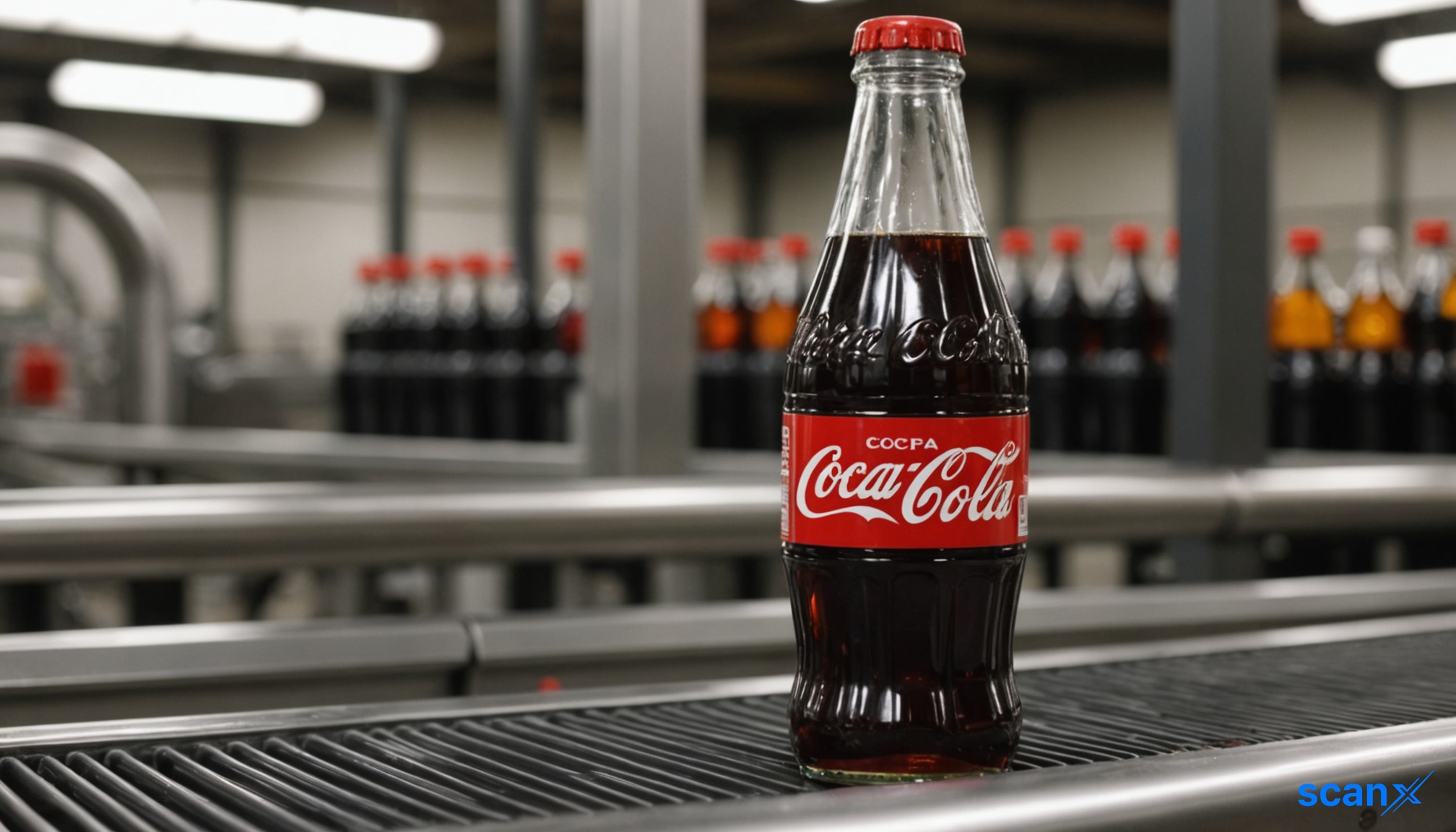

*this image is generated using AI for illustrative purposes only.
Berkshire Hathaway (NYSE: BRK) generates $848 million in annual dividend income from its Coca-Cola (NYSE: KO) position. This cash flow remains stable regardless of share price movements.
The conglomerate holds 400 million shares of the beverage giant. Coca-Cola pays a quarterly dividend of $0.53 per share. This results in a quarterly payout of $212 million to Berkshire.
Dividend income structure
The investment strategy prioritizes consistent cash yield over short-term capital gains. The dividend income is derived strictly from the declared payout rate and the volume of shares held.
| Metric | Value |
|---|---|
| Shares held | 400 million |
| Quarterly dividend per share | $0.53 |
| Quarterly total income | $212 million |
| Annual total income | $848 million |
What the numbers show
The data reveals a direct linear relationship between dividend hikes and Berkshire's income. Each one-cent increase in the quarterly dividend adds $160 million to Berkshire's annual revenue. With Coca-Cola raising its dividend for 64 consecutive years, this mechanism provides a predictable growth vector for Berkshire's cash reserves.
Leadership transition and portfolio status
Warren Buffett stepped down as CEO and chairman of Berkshire Hathaway within the last 12 months. His successor, Greg Abel, identified Coca-Cola as a core holding early in his tenure. The position represents approximately 9.3% of Berkshire's investments as of the end of the second quarter.
Coca-Cola raised its dividend from $0.51 to $0.53 per share in February. The company has maintained an annual dividend increase streak for 64 years.

How might Greg Abel's strategic vision for Berkshire Hathaway influence the long-term hold duration of the Coca-Cola position compared to Warren Buffett's legacy approach?
What impact could rising interest rates have on the relative attractiveness of Coca-Cola's dividend yield compared to other fixed-income alternatives in Berkshire's portfolio?
Given Coca-Cola's 64-year dividend streak, what are the potential risks to this streak if global supply chain disruptions or consumer health trends significantly alter its profit margins?
 18
18










 Create Custom Screeners
  Access 200+ Pre-built Filters
  Use 50+ Readymade Screener





