

US commits $17.5bn to build 10 AP1000 reactors


The U.S. government issued $17.5 billion in conditional loans to accelerate the construction of 10 Westinghouse AP1000 reactors, aiming to power 10 million homes and reduce construction timelines. The financing requires $1 billion in equity per project from Westinghouse and its partners, Cameco Corp. and Brookfield Asset Management Inc. While the initiative seeks to bolster domestic baseload power for AI and manufacturing, challenges such as climate-related cooling constraints observed in France remain a consideration for the sector.


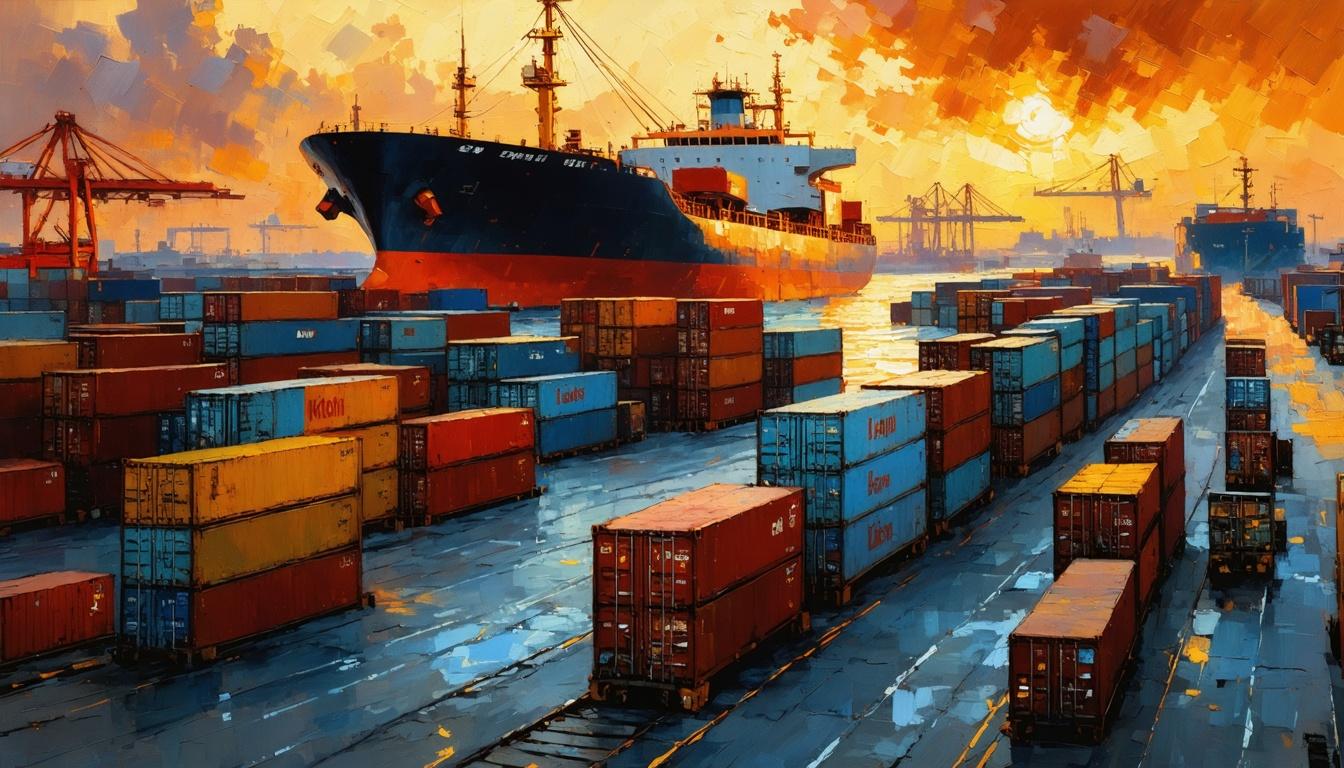
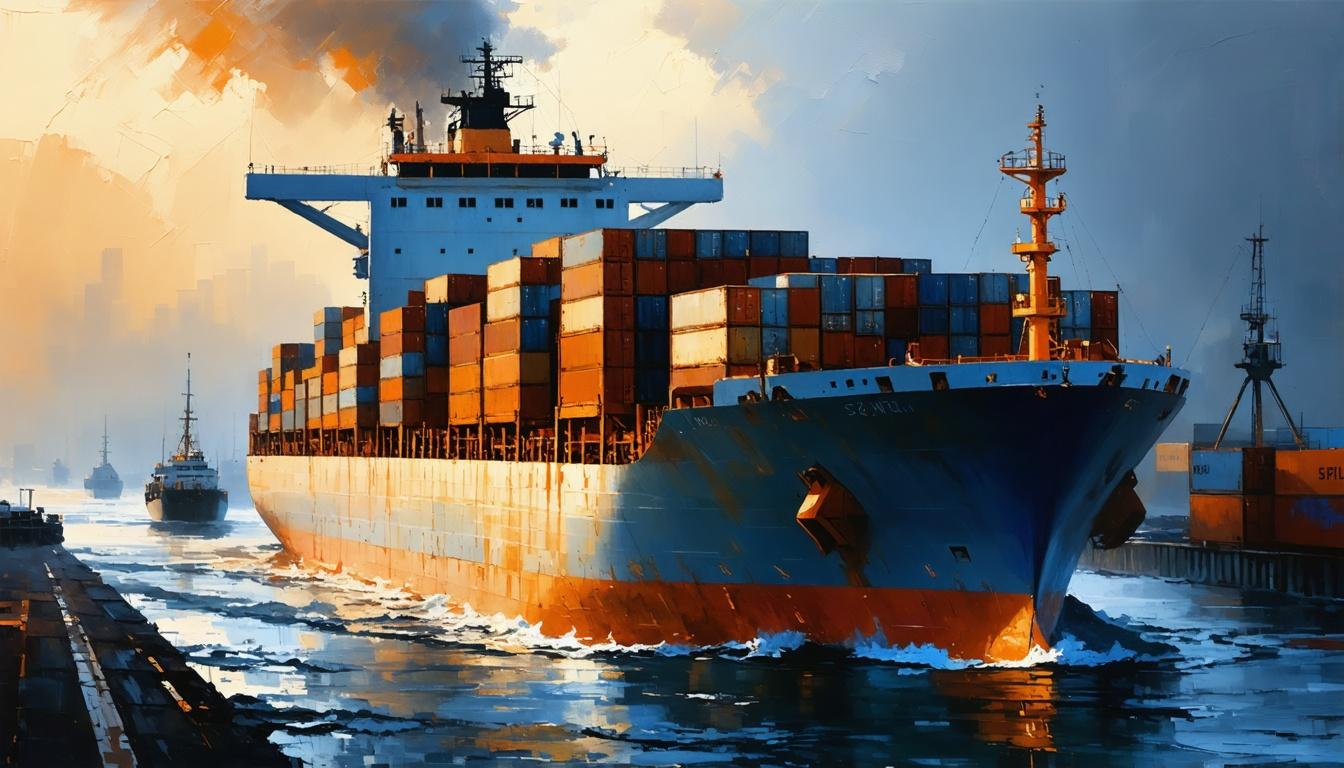
*this image is generated using AI for illustrative purposes only.
The U.S. government is placing one of its biggest bets yet on nuclear energy. A $17.5 billion loan initiative seeks to jumpstart a new wave of reactor construction to satisfy the country’s growing appetite for reliable electricity. The Department of Energy’s Office of Energy Dominance Financing issued conditional loan commitments through its American Nuclear Supply Chain Loans program. The funding will help accelerate the deployment of 10 large-scale commercial reactors, shaving as much as three years off construction timelines.
Boosting Domestic Energy Production
The program specifically targets Westinghouse’s AP1000 reactor – currently the only fully designed and licensed domestic advanced reactor technology. Each AP1000 unit is capable of generating roughly 1.1 gigawatts of electricity. Collectively, the 10 reactors would produce enough power to supply nearly 10 million U.S. homes, according to government estimates.
"America has always won when it thinks big and builds for the future. If we want to lead in artificial intelligence, advanced manufacturing, and the industries that will define the next century – we need more American baseload energy," Westinghouse Chief Executive Dan Sumner said in the announcement.
Financial Commitment
The financing structure ensures developers have significant skin in the game. Before any federal loan funds become available, Westinghouse and its project partners must each commit $500 million in equity per project, resulting in a $1 billion upfront investment requirement for each reactor site. The firm’s owners – uranium producer Cameco Corp. and Brookfield Asset Management Inc. – are positioned to support these commitments.
| Component | Details |
|---|---|
| Total Loan Amount | $17.5 billion |
| Target | 10 AP1000 reactors |
| Equity Required | $1 billion per site |
| Output Capacity | ~1.1 gigawatts per unit |
"The loan facilities help advance President Trump’s Executive Order and serve as a catalyst for nuclear, providing the certainty needed to enhance the domestic nuclear supply chain and accelerate construction of nuclear projects that will deliver reliable baseload power around the country for decades to come," Brookfield’s CEO, Connor Teskey, noted.
Strategic Implications
The future of technology is increasingly dependent on securing reliable power growth. The issue has escalated into the public sector, which is pouring billions into solving the bottlenecks - both in the fuel production (uranium) and the energy production infrastructure. However, the latest example from France shows that nuclear energy might not be the be-all and end-all solution.
According to Reuters, state-owned utility EDF warned that several reactors could face output restrictions as weather conditions obstruct cooling mechanisms. France is currently experiencing a heatwave, with temperatures exceeding 104 degrees Fahrenheit. Such conditions have pushed temperatures in the Rhône and Garonne rivers toward regulatory thresholds. Since many reactors rely on river water for cooling, extreme heat reduces operating flexibility and, in some cases, forces temporary power reductions. Thus, while nuclear energy offers dependable low-carbon power, its future expansion will still need to navigate climate issues.

How will the AP1000 reactors be engineered to mitigate the cooling risks and output restrictions seen in France during extreme heatwaves?
What impact will this massive capital injection have on the domestic uranium supply chain and mining operations?
Could the $1 billion equity requirement per site limit participation to only the largest conglomerates, thereby reducing competition?
 17
17










 Create Custom Screeners
  Access 200+ Pre-built Filters
  Use 50+ Readymade Screener





