

Digital Fibre Infrastructure Trust unitholders unanimously approve FY26 financials


Digital Fibre Infrastructure Trust secured unanimous approval for its FY26 financial statements and asset valuation at its Sixth AGM on July 27, 2026. With a 74.48% voting turnout, primarily driven by sponsors and institutional investors, both resolutions passed with zero dissenting votes. The meeting, conducted via video conference, saw remote e-voting as the primary channel for shareholder expression, reflecting efficient digital governance practices.


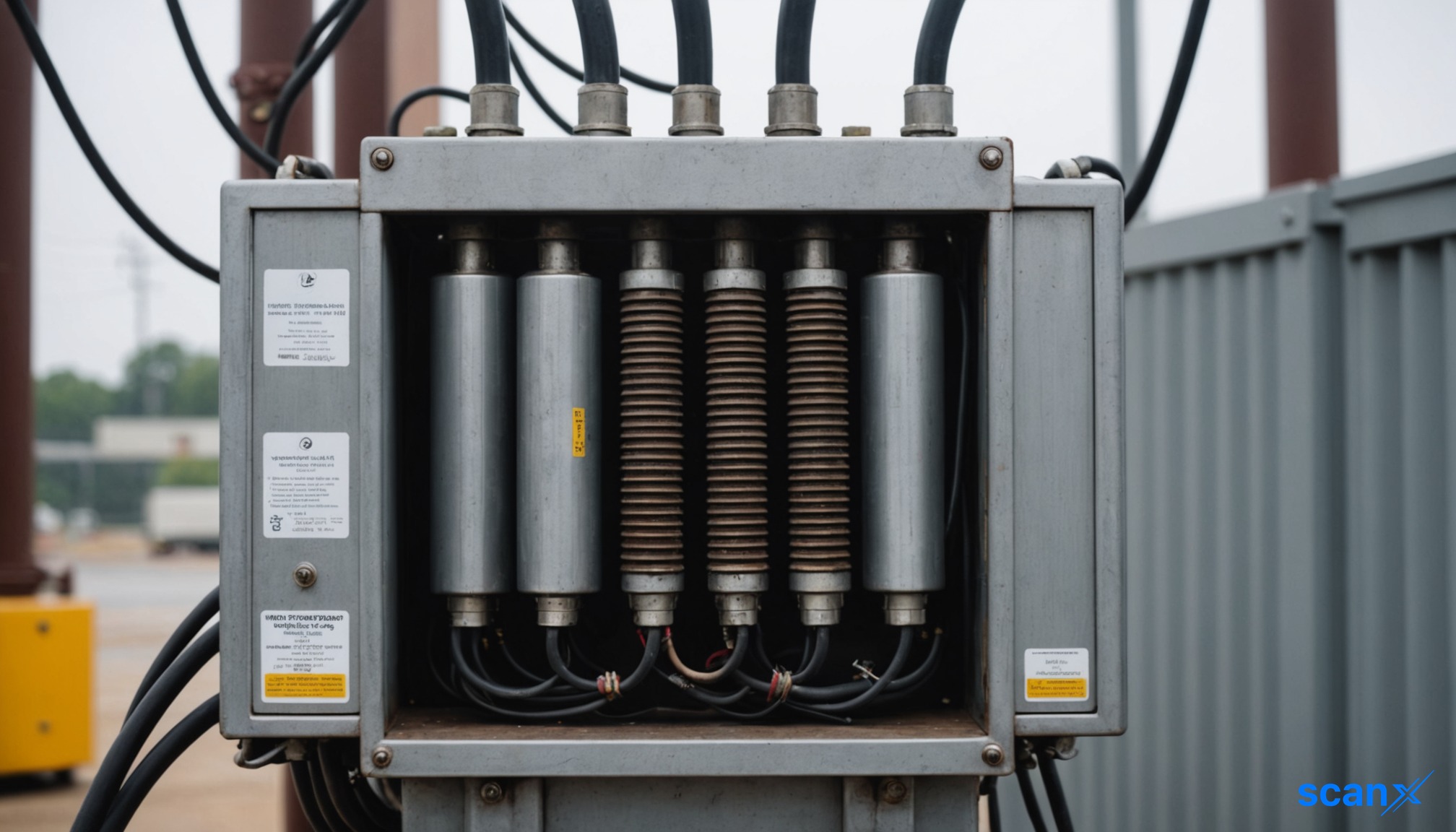
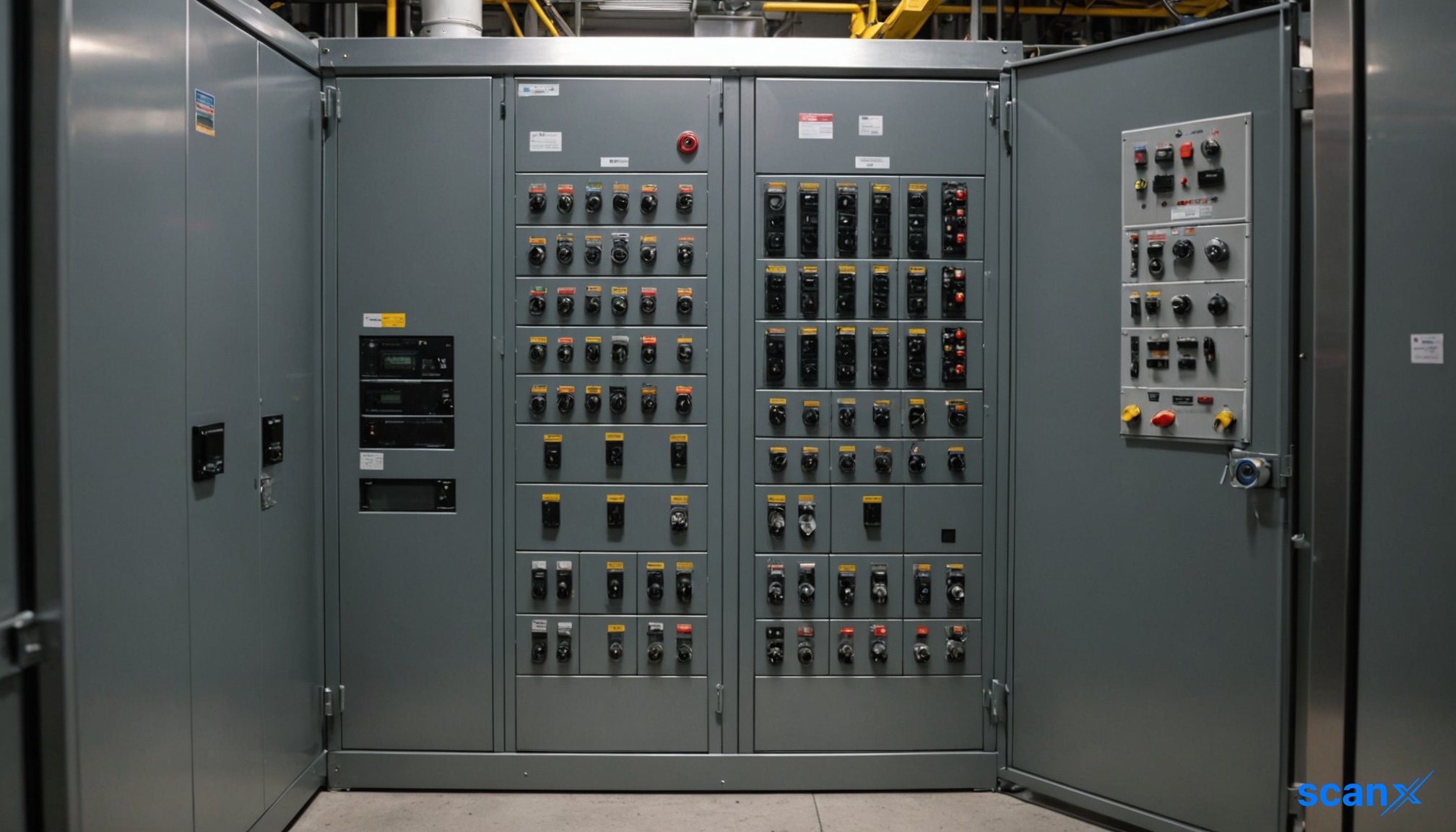
*this image is generated using AI for illustrative purposes only.
Digital Fibre Infrastructure Trust unitholders have unanimously approved the trust’s audited financial statements for the fiscal year ended March 31, 2026, and the corresponding asset valuation report, signaling strong alignment between the investment manager and its investors. The approvals were secured at the Sixth Annual General Meeting (AGM) held on July 27, 2026, with no votes cast against either resolution. This unanimous backing reinforces confidence in the trust’s governance and financial reporting standards under the SEBI (Infrastructure Investment Trusts) Regulations, 2014.
The AGM was conducted through video conferencing, commencing at 4:00 p.m. and concluding at 4:23 p.m., including a 15-minute window for e-voting. Only three unitholders attended the virtual session, all of whom were associated with the sponsor, investment manager, or project manager. No public unitholders participated in the live meeting. However, voting activity was robust via remote e-voting, which remained open from July 19, 2026, to July 26, 2026. Four unitholders utilized the remote e-voting facility, while none voted during the live AGM.
Voting Results Breakdown
The voting process was scrutinized by Mayekar & Associates, practicing company secretaries, appointed by Infinite India Investment Management Limited, the investment manager of the trust. The scrutinizer verified votes received against the beneficiary position as of the cut-off date, July 17, 2026. A total of 1,949,466,821 units were eligible to vote, with 1,452,056,759 votes polled, resulting in a 74.48% participation rate.
| Category | Units Held | Votes Polled | % Polled | Votes in Favor | Votes Against |
|---|---|---|---|---|---|
| Sponsors/IM/PM & Associates | 95,49,46,697 | 95,49,46,697 | 100% | 95,49,46,697 | 0 |
| Public – Institutions | 99,42,20,124 | 49,71,10,062 | 50% | 49,71,10,062 | 0 |
| Public – Non-Institutions | 3,00,000 | 0 | 0% | 0 | 0 |
| Total | 1,949,466,821 | 1,452,056,759 | 74.48% | 1,452,056,759 | 0 |
Both resolutions required an ordinary majority as per Regulation 22 of the SEBI InvIT Regulations. The first resolution concerned the adoption of the audited standalone and consolidated financial statements for FY26, along with the auditors’ report. The second resolution addressed the approval of the valuation report for the InvIT assets as of March 31, 2026. In both cases, 100% of the polled votes were cast in favor, with zero dissenting votes recorded across all categories.
What the Numbers Show
The high participation rate among institutional investors, who hold nearly half of the outstanding units, underscores their active engagement in the trust’s governance. While non-institutional public unitholders held only 3,00,000 units, their complete absence from the voting process highlights a concentration of decision-making power among larger stakeholders. The unanimous approval suggests no material disputes regarding the financial health or asset valuation of the trust, providing stability for future operational planning.
Historical Stock Returns for Digital Fibre Infra
| 1 Day | 5 Days | 1 Month | 6 Months | 1 Year | 5 Years |
|---|---|---|---|---|---|
| 0.0% | 0.0% | 0.0% | 0.0% | 0.0% | 0.0% |

How might the unanimous approval of the FY26 asset valuation influence Digital Fibre Infrastructure Trust's ability to raise further capital or pursue new acquisitions in the near term?
Given the zero participation from non-institutional public unitholders, what strategies could the trust implement to improve retail investor engagement and transparency in future AGMs?
Does the strong institutional backing signal potential for increased distribution payouts to unitholders in the upcoming fiscal year, or will capital be prioritized for infrastructure expansion?
 19
19







 Create Custom Screeners
  Access 200+ Pre-built Filters
  Use 50+ Readymade Screener





