

Trump approves new fuel economy standards, rolling back Biden-era EV rules


- New fuel-economy standards roll back Biden-era rules for model years through 2031
- Administration claims move will lower vehicle costs and boost US production
- Former Secretary Pete Buttigieg warns of increased gas prices and loss to China
- Trump cites $100 billion investment in American autos and job returns

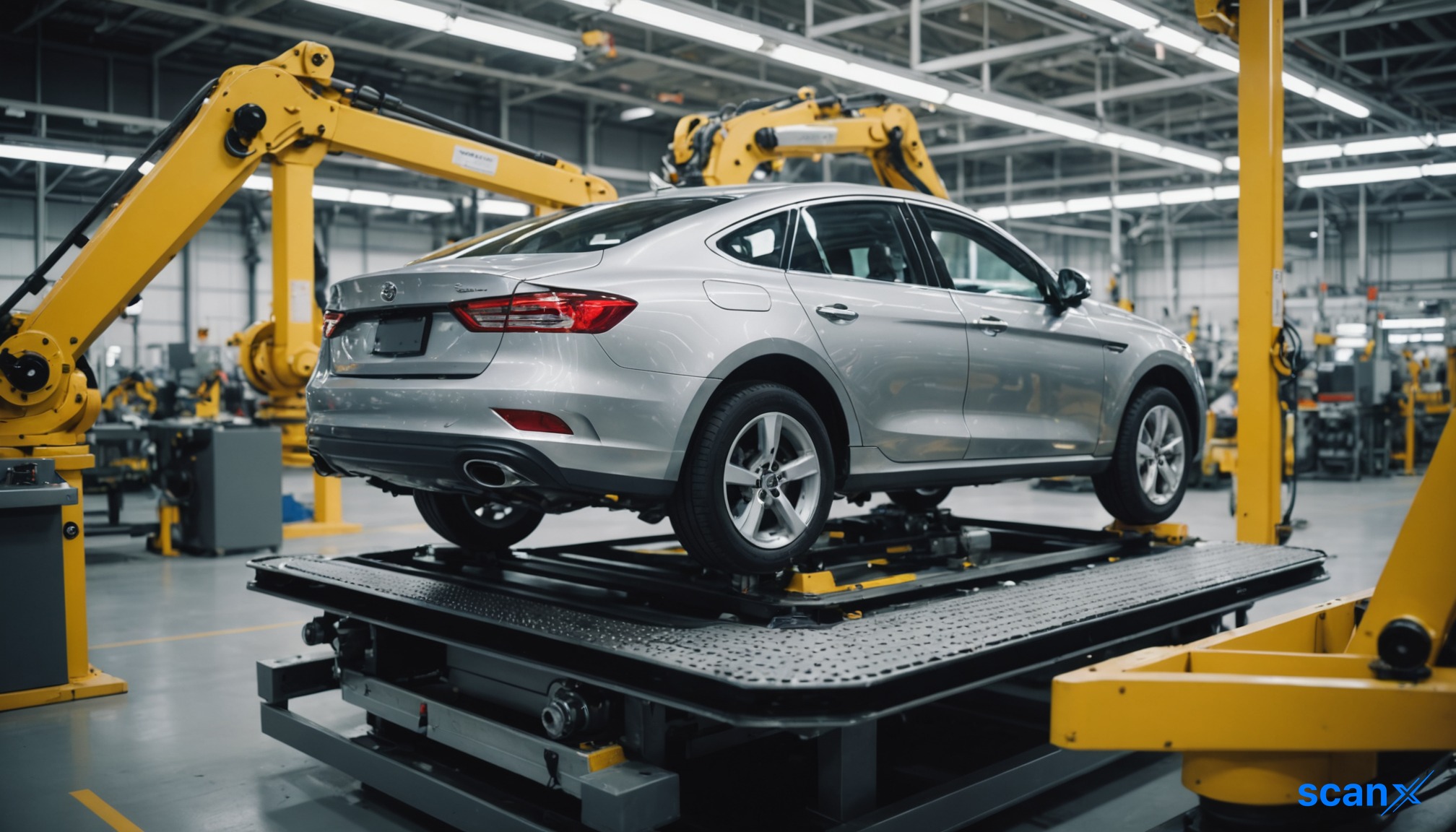

*this image is generated using AI for illustrative purposes only.
President Donald Trump approved new fuel-economy standards on Saturday, a move designed to roll back Biden-era vehicle efficiency rules. The administration argues this will lower new-car prices and give automakers greater flexibility in production.
The Transportation Department is expected to formally finalize the standards on Monday. The new rules substantially lower fuel-economy requirements for model years through 2031. While the Trump administration contends the changes will cut vehicle costs, critics warn they could increase gasoline consumption.
Trump targets Biden-era EV rules
In a Truth Social post, Trump called the announcement a "BIG DAY FOR AMERICAN AUTO WORKERS AND CAR BUYERS!" He stated that the new standards "TERMINATE Sleepy Joe Biden and Pete Buttigieg's ridiculous EV Mandate."
Trump accused the previous administration of costing automakers billions and forcing Americans into vehicles they did not want. He claimed the new policies would remove waste from car building in America, leading to lower prices for families.
The President noted that automakers including General Motors (NYSE: GM), Ford Motor Company (NYSE: F), and Stellantis NV (NYSE: STLA) have expressed interest in expanding U.S. production. He cited over $100 billion in investments in American autos under his administration, with plants and jobs returning to states like Michigan, Ohio, and Indiana.
Critics warn of competitive risks
Former Transportation Secretary Pete Buttigieg criticized the move, stating that U.S. manufacturing and auto jobs have declined under Trump. He argued that lowering fuel economy standards would weaken U.S. clean-tech competitiveness.
Buttigieg asserted that the strategy hands the clean-tech future to China and forces Americans to pay more at the pump. He described the approach as a failure of economic strategy.
Tariffs and manufacturing revival
Last month, Trump said his tariffs helped revive the U.S. auto industry, citing Ford’s Detroit plant as running 24/7 and being one of the most profitable car plants worldwide. Commerce Secretary Howard Lutnick supported this view, stating that tariffs are bringing auto manufacturing home.
Lutnick pointed to expansions by Ford and Toyota Motor Corp (NYSE: TM) in the U.S., claiming thousands of jobs were returning to America. The administration maintains that these policy shifts are central to restoring domestic manufacturing strength.

How might the rollback of fuel-economy standards impact the long-term valuation of automakers heavily invested in EV infrastructure, such as GM and Ford?
What specific legislative or regulatory hurdles could the new standards face during the formal finalization process on Monday?
How will the anticipated increase in gasoline consumption influence U.S. energy policy and crude oil demand forecasts for the next decade?
 20
20












 Create Custom Screeners
  Access 200+ Pre-built Filters
  Use 50+ Readymade Screener





