White House Confirms No Timeline for South Korea Tariffs Implementation

0 min read     Updated on 06 Feb 2026, 01:27 AM
scanx
Reviewed by
Shriram SScanX News Team
Overview

White House Press Secretary Leavitt has stated that no timeline has been established for implementing tariffs on South Korea. This official confirmation indicates that any potential tariff measures remain under consideration without specific implementation deadlines, providing flexibility for ongoing trade policy discussions between the United States and South Korea.


31867058

*this image is generated using AI for illustrative purposes only.

White House Press Secretary Leavitt has officially confirmed that the current administration has not established a specific timeline for implementing tariffs on South Korea. This statement provides important clarity regarding the status of ongoing trade policy considerations between the two nations.

Current Trade Policy Status

The absence of a defined timeline suggests that any potential tariff measures on South Korean goods remain in the deliberative phase. Press Secretary Leavitt's statement indicates that while tariffs may be under consideration, no immediate implementation schedule has been finalized.

Implications for US-South Korea Trade Relations

This announcement comes amid broader discussions about international trade relationships and policy adjustments. The lack of a specific timeline may provide both countries with additional flexibility to engage in diplomatic discussions and explore alternative approaches to trade-related concerns.

The statement from the White House Press Secretary serves as an official update on the administration's current position regarding South Korea tariffs, offering stakeholders and market participants insight into the present state of these trade policy deliberations.

like18
dislike

White House Exempts Semiconductor Imports Supporting Domestic Production from Tariffs

1 min read     Updated on 15 Jan 2026, 03:12 AM
scanx
Reviewed by
Shraddha JScanX News Team
Overview

The White House announced exemptions to US semiconductor tariffs for chips imported to support US technology supply chains and domestic manufacturing. The policy aims to strengthen domestic chip production while maintaining trade protections, providing relief for manufacturers who rely on imported components for their operations.

29972553

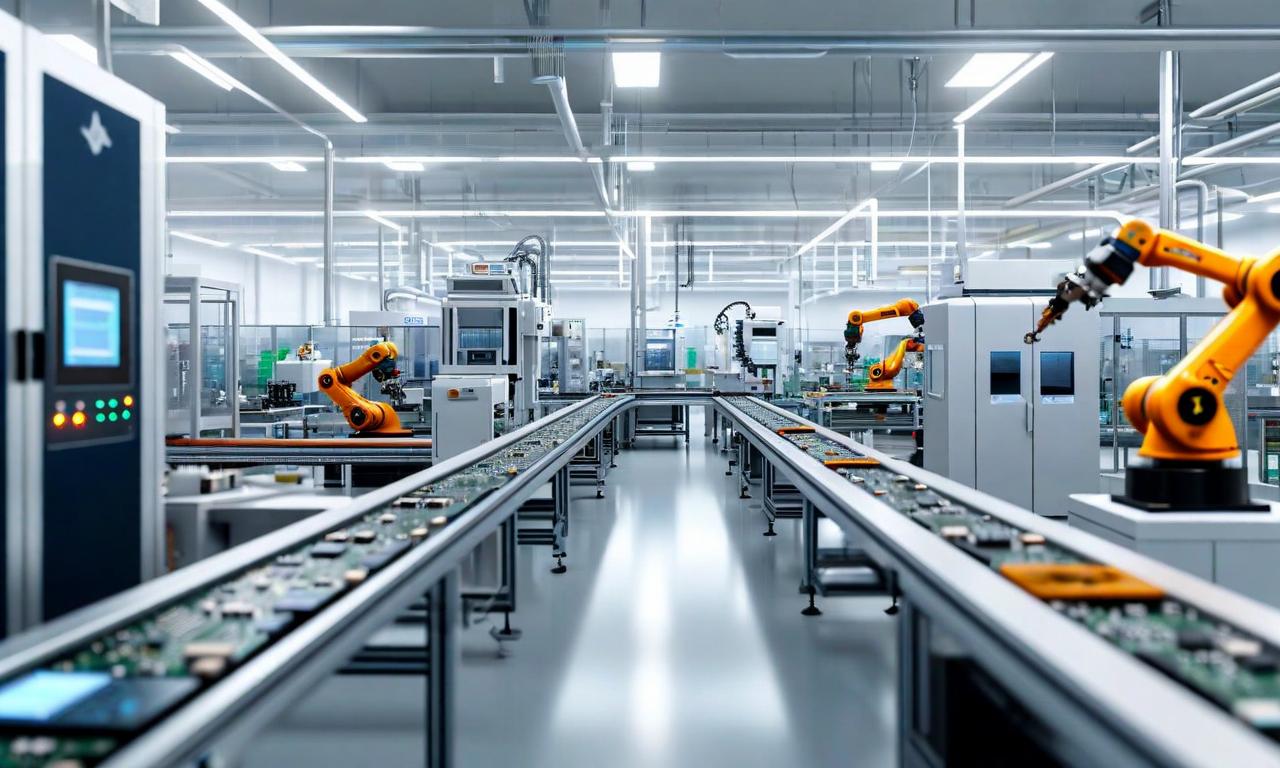
*this image is generated using AI for illustrative purposes only.

The White House has announced important exemptions to US semiconductor tariffs, providing relief for chips imported to support domestic technology supply chains and manufacturing operations. The policy clarification comes as the administration seeks to balance trade protection measures with the practical needs of American semiconductor companies.

Tariff Exemption Details

The exemptions specifically cover two key categories of semiconductor imports:

Exemption Category: Coverage Details
Technology Supply Support: Chips imported for US technology supply chains
Domestic Production Support: Semiconductors to strengthen domestic chip manufacturing

Strategic Policy Implications

The White House decision reflects a nuanced approach to semiconductor trade policy, recognizing that domestic chip manufacturers often require imported components to maintain their operations. By exempting chips that support US technology supply chains, the administration aims to avoid disrupting critical manufacturing processes while maintaining broader tariff protections.

The exemptions are designed to strengthen domestic chip production capabilities rather than hinder them. This approach acknowledges the interconnected nature of global semiconductor supply chains and the reality that even domestic manufacturers rely on certain imported components.

Industry Impact

The tariff exemptions provide clarity for US technology companies and semiconductor manufacturers who have been navigating complex trade regulations. Companies importing chips for domestic production support will benefit from reduced costs and regulatory certainty.

The policy also supports the broader goal of strengthening America's semiconductor manufacturing base by ensuring that domestic producers have access to necessary imported components without facing additional tariff burdens.

like15
dislike