

Warren targets defense firms' $100B shareholder payouts since 2020


Sen. Elizabeth Warren targets $100 billion in shareholder payouts by top US defense contractors since 2020. While Lockheed Martin, RTX, Northrop Grumman, and General Dynamics cut combined Q1 2026 payouts by 36% to $2.7 billion, GE Aerospace increased buybacks by 21% to $2.3 billion. This divergence persists despite President Trump's vow to block payouts until production speeds up and NATO allies committing $1.21 trillion in additional spending.


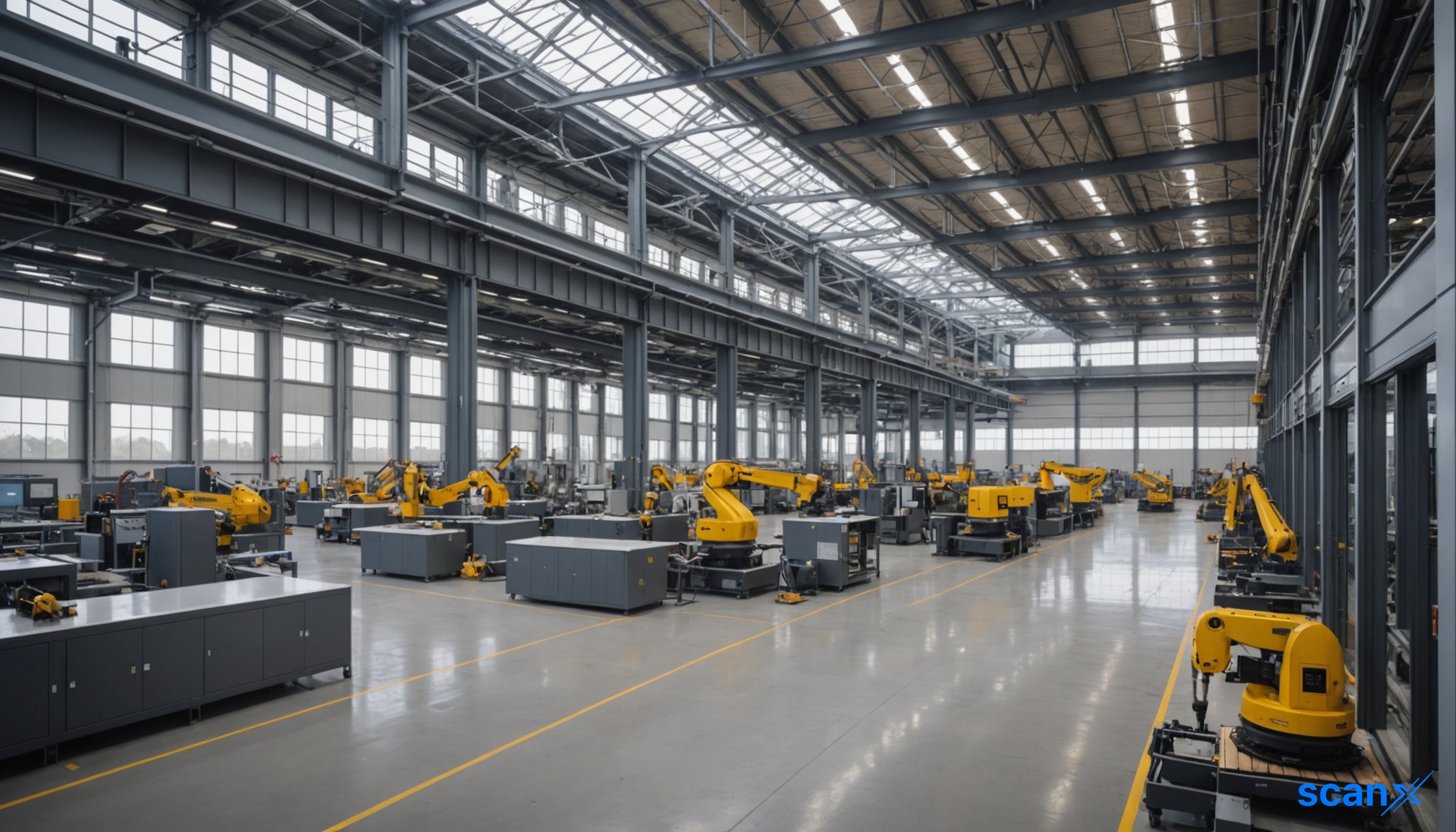
*this image is generated using AI for illustrative purposes only.
Sen. Elizabeth Warren (D-Mass) has urged the five largest US defense contractors to halt stock buybacks and dividend payments, citing more than $100 billion in shareholder payouts since 2020. Warren questioned the rationale for returning capital to shareholders when taxpayers fund military equipment production, stating on X that the practice "needs to stop."
The lawmakers' scrutiny follows a January vow by President Donald Trump to block such payouts until weapons production accelerates. In response to political pressure, some contractors have adjusted their capital allocation strategies, though divergence remains across the sector.
Divergence in Capital Allocation
A bipartisan analysis released earlier this month by Warren and Sen. Mike Lee (R-Utah) highlighted contrasting approaches among the top four defense contractors in the first quarter of 2026 compared with the same period a year earlier.
Lockheed Martin Corp., RTX Corp., Northrop Grumman Corp., and General Dynamics Corp. collectively cut combined buybacks and dividends by roughly 36%. The total payout from these four firms dropped from $4.2 billion to $2.7 billion.
| Company: | Q1 2026 Payout Action: | Amount/Change: |
|---|---|---|
| Lockheed Martin, RTX, Northrop Grumman, GD: | Combined cut: | 36% (from $4.2 billion to $2.7 billion) |
| GE Aerospace: | Buyback increase: | 21% year-over-year |
GE Aerospace bucked this trend, increasing stock buybacks by 21% year-over-year to $2.3 billion in the same quarter. Lawmakers cited this gap in a letter urging Defense Secretary Pete Hegseth to support legislation that would codify Trump's executive order into law.
What the Numbers Show
The data reveals a sharp split in capital discipline within the defense sector. While the aggregate payout from the four largest contractors fell significantly, GE Aerospace's decision to increase buybacks by $400 million (derived from 21% growth to $2.3 billion) suggests that not all firms are aligning with the administration's push to prioritize production reinvestment over shareholder returns. This divergence may complicate efforts to standardize capital allocation policies across the industry.
Defense Spending Context
The debate occurs against a backdrop of surging defense expenditure. NATO allies have committed more than $1.21 trillion in additional defense spending since Trump's first term, including over $120 billion in new spending last year alone.
Contractors have secured significant awards amid this expansion. RTX recently landed a $22.9 billion Navy award to expand Tomahawk missile production, addressing stockpiles depleted by recent conflicts.
RTX closed 0.6% lower on Monday at $221.64 and fell 0.35% in early pre-market trading on Tuesday. Benzinga edge rankings show RTX's stock has a Momentum score in the 82nd percentile and a Growth score in the 43rd percentile.

How might the proposed legislation to codify Trump's executive order impact GE Aerospace's capital allocation strategy compared to its peers?
Will the divergence in buyback policies among top defense contractors lead to increased regulatory scrutiny or potential penalties for non-compliant firms?
Could the pressure to halt shareholder payouts negatively affect defense contractors' ability to attract institutional investors focused on dividend yield?
 15
15






 Access Market Heat-map & Insights
  Create, Save & Share your Screener
  Use 200+ Screening Filters





