US approves potential $24.3B F-35 sale to Saudi Arabia

scanx
Reviewed by
Shriram SScanX News Team
Key Highlights
  • US State Department approves potential $24.3B F-35 sale to Saudi Arabia
  • Deal includes 48 Lockheed Martin jets and 49 Pratt & Whitney engines
  • Sale aims to strengthen US-Saudi security ties and Gulf stability
  • Lockheed Martin and RTX shares rose in premarket trading
powered bylight_fuzz_icon
51211292

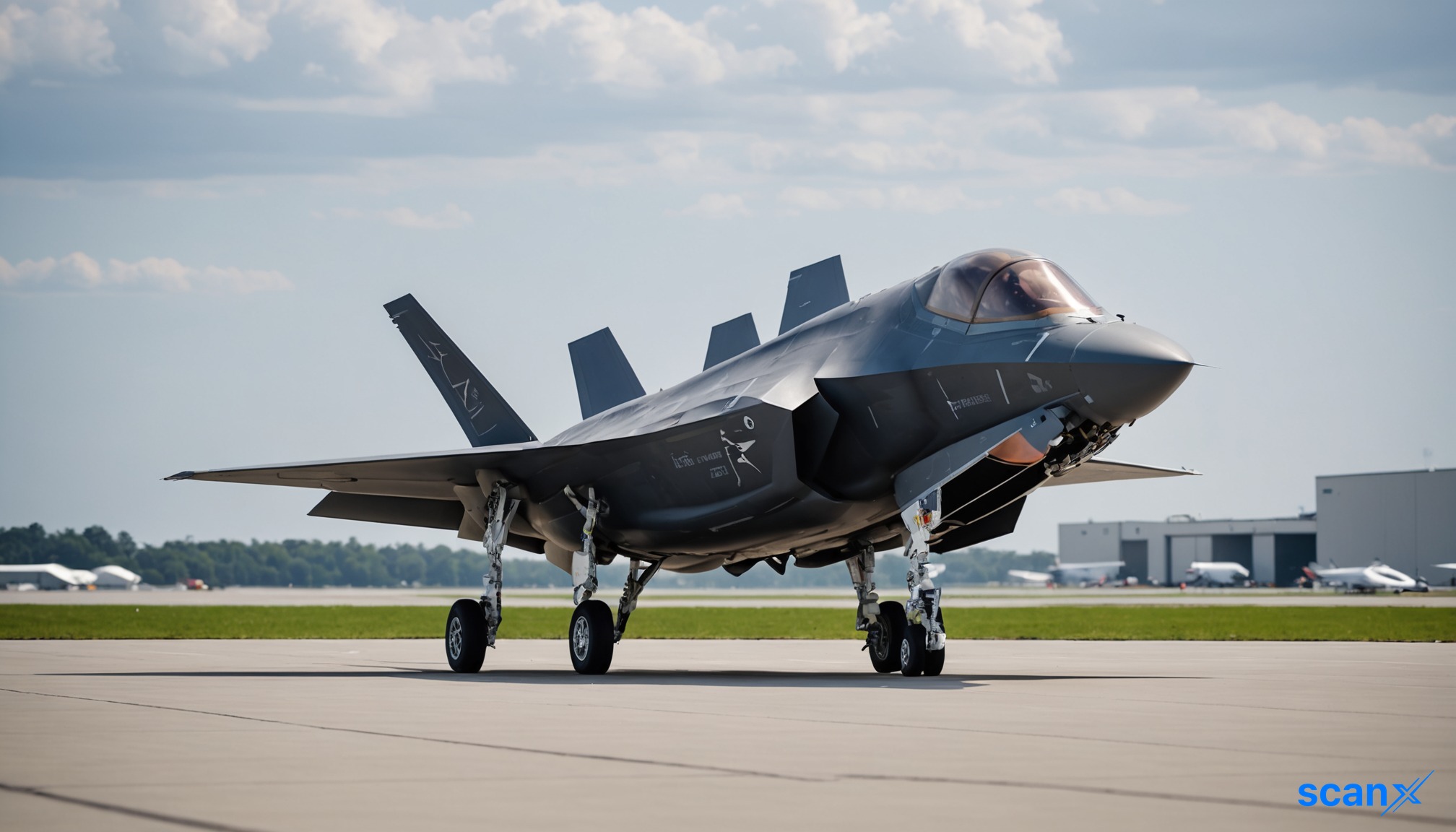
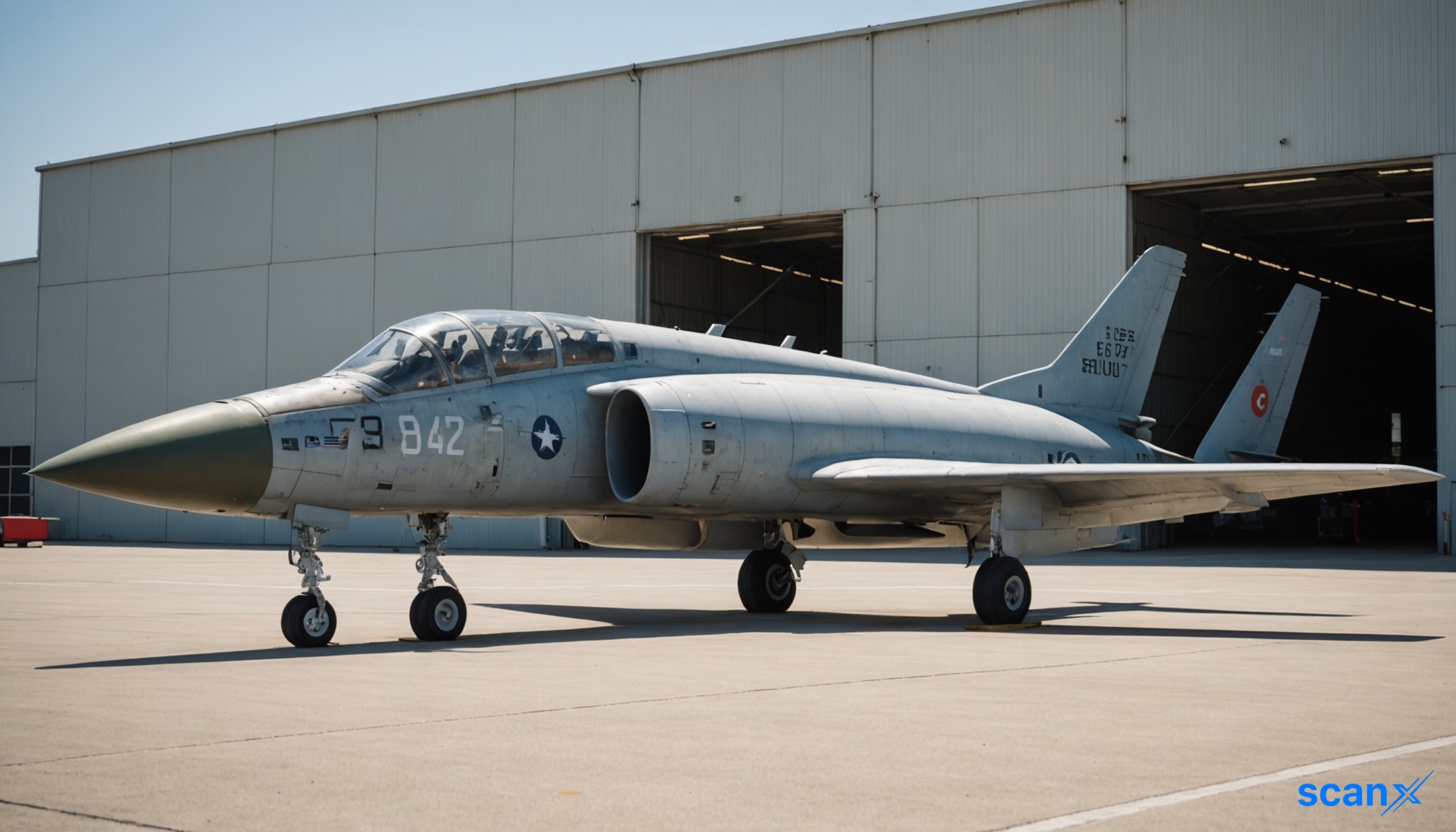
*this image is generated using AI for illustrative purposes only.

The US State Department has approved a potential $24.3 billion sale of Lockheed Martin Corp. (NYSE: LMT) F-35 Lightning II fighter jets to Saudi Arabia. The deal is subject to congressional approval.

Deal Details

The proposed agreement includes 48 military aircraft and 49 engines from Pratt & Whitney, a core business segment of RTX Corporation (NYSE: RTX). It also covers communications equipment, spare parts, and other support items.

Metric Value
Buyer Kingdom of Saudi Arabia
Asset F-35 Lightning II Joint Strike Fighter Aircraft
Estimated Value $24.3 billion
Approving Body US State Department

This transaction represents a significant potential inflow for US defence contractors. Final contract execution and revenue recognition will depend on subsequent negotiations and delivery schedules.

Strategic Context

The State Department stated that the proposed sale would strengthen the security of a major US ally and support stability and economic progress in the Gulf. The Saudi embassy in Washington welcomed the proposed sale, calling it another step toward strengthening defense cooperation between the two countries.

In November 2025, President Donald Trump announced plans to sell the F-35 fighter jets to Saudi Arabia. Saudi Arabia is seeking two squadrons of fighter jets to modernize its air force and counter regional threats, particularly Iran. Its current fleet includes Boeing Co.’s (NYSE: BA) F-15s, along with European Tornado and Typhoon fighters.

Market Reaction

Shares of Lockheed Martin rose about 0.63% to $541.48 premarket on Friday, while RTX climbed around 0.11% to $193.76.

Disclaimer: This article is AI-generated using data from ViewTrade. ScanX is not liable for any inaccuracies.

How might congressional scrutiny of this sale impact the timeline for revenue recognition for Lockheed Martin and RTX?

What are the potential geopolitical repercussions of transferring F-35 technology to Saudi Arabia, particularly regarding relations with Israel and Iran?

Could this deal accelerate Saudi Arabia's shift away from European defense suppliers like BAE Systems and Airbus in future procurement cycles?

like18
dislike

Trump weighs big decision on Iran war as ex-chief warns of risks

scanx
Reviewed by
Anirudha BScanX News Team
Key Highlights
  • Trump considers restarting massive attacks on Iran to end conflict
  • Former counterterrorism chief Joe Kent urges troop withdrawal from region
  • WTI crude slips 0.89% to $101.00 amid ongoing tensions
  • National average gas price reaches $4.4386/gallon
powered bylight_fuzz_icon
51210148

*this image is generated using AI for illustrative purposes only.

President Donald Trump is approaching a critical juncture regarding the Iran war, considering whether to restart massive military attacks to bring the conflict to a close.

Decision point on Iran conflict

In an interview with Axios on Thursday, Trump stated he had a "big decision coming up" about whether the U.S. would "annihilate" Iran's top officials. He noted that "anything could happen with me." The White House did not immediately respond to requests for comment.

The remarks indicate that the trajectory of the Iran war remains unresolved. The possibility of intensified military action is being weighed as a path toward concluding hostilities. Trump is set to meet with officials from Saudi Arabia, Qatar, and the UAE in the coming week.

Counterterrorism chief warns against escalation

Former counterterrorism chief Joe Kent urged Trump to pull U.S. troops and ships out of Iran's range. Kent argued that there is "no military solution" and warned that a single lucky strike by Iranians could escalate the conflict on their terms.

Kent advocated using economic leverage, such as sanctions relief and unfreezing assets, to reopen the Strait of Hormuz. He added that the U.S. should restrain Israel, exit the Middle East, and focus on domestic issues.

Key details

Parameter Details
Source Axios
Day of statement Thursday
Subject Iran war
Decision under consideration Whether to restart massive attacks
Stated objective Bring the conflict to a close

Strait of Hormuz tensions

The United Kingdom Maritime Trade Operations Center (UKMTO) reported on Thursday that a tanker was struck in the Strait of Hormuz, over 18 miles off the coast of Khasab, Oman. The crew were reported safe with no confirmed environmental impact.

The IRGC later claimed it struck and detained a Togo-flagged tanker named Trend. The IRGC stated the vessel was "incited" by the U.S. and asserted that Iran remains in control of the waterway.

Market reaction

West Texas Intermediate (WTI) futures contracts ending in October slipped 0.89% to $101.00. Brent crude futures contracts ending in November fell 1.17% to $103.59.

The United States Oil Fund (NYSE: USO) fell 0.43% to $154.64 during overnight trading on Thursday. ProShares Ultra Bloomberg Crude Oil (NYSE: UCO) ETF also fell 0.48% to $52.

Gas prices continued rising as tensions escalated. According to American Automobile Association data, the national average price of gas was at $4.4386/gallon on Thursday. Diesel climbed to a national average of $6.3956/gallon.

Disclaimer: This article is AI-generated using data from ViewTrade. ScanX is not liable for any inaccuracies.

How might a potential escalation in military strikes against Iran impact global oil supply chains and trigger further volatility in WTI and Brent crude prices?

What are the likely geopolitical repercussions if the U.S. proceeds with 'annihilating' Iranian officials, particularly regarding regional alliances with Saudi Arabia, Qatar, and the UAE?

Could the proposed economic leverage strategy of sanctions relief effectively reopen the Strait of Hormuz without triggering retaliatory actions from the IRGC?

like15
dislike