US to issue chair's statement if G20 finance communique fails

scanx
Reviewed by
Anirudha BScanX News Team
Key Highlights
  • US will issue a chair's statement if a joint G20 finance communique is not possible
  • Statement will reflect US priorities and interests
  • Disagreements remain over sovereign debt restructuring language
  • Differences exist between surplus and deficit nations on global imbalances
powered bylight_fuzz_icon
49837017

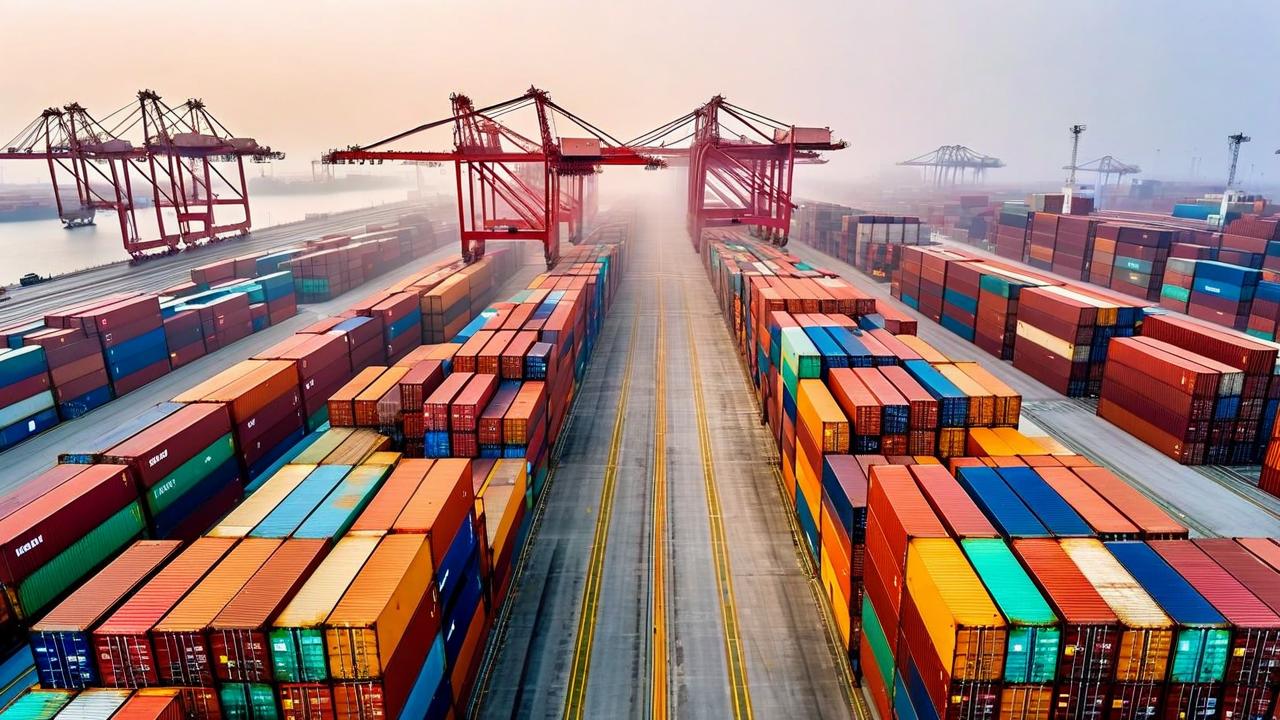
*this image is generated using AI for illustrative purposes only.

US Treasury Undersecretary Erin Browne stated that the US will issue a chair's statement reflecting its priorities if a joint G20 finance communique proves impossible.

Browne noted that while G20 countries are working hard on a joint document, it must reflect US interests. She highlighted significant differences between trade surplus and deficit countries regarding global imbalances.

Key Points of Contention

Ongoing disagreements persist over specific language in the draft communique. Key areas of contention include:

  • Sections on sovereign debt restructuring
  • Language regarding reducing global imbalances

These issues pose challenges for reaching a consensus among member nations. The focus remains on ensuring any final document aligns with US policy objectives while addressing global financial stability concerns.

How might the issuance of a separate US chair's statement impact the perceived cohesion and effectiveness of the G20 as a global economic forum?

What specific policy measures could the US propose in its unilateral statement to address global imbalances without a joint consensus?

Could the deadlock on sovereign debt restructuring language delay ongoing relief efforts for heavily indebted developing nations?

like16
dislike

G20 Finance Ministers Meet In US Amid Canada Tariff Rift And Venezuela Deal

scanx
Reviewed by
Anirudha BScanX News Team
Key Highlights
  • US hosts G20 finance talks in Asheville amid sharp US-Canada trade rift
  • Canada plans to match 50% US tariffs dollar-for-dollar starting September 8
  • Trump announces deal for majority control of 65 billion barrels of Venezuelan oil
  • Germany pushes for ending tariff disputes and conflicts in Iran and Ukraine
  • Russia expected to attend talks ahead of December Miami summit
powered bylight_fuzz_icon
49645909

*this image is generated using AI for illustrative purposes only.

The United States will host G20 finance ministers and central bank governors starting Monday in Asheville, North Carolina. The gathering tests whether the bloc can find common ground on trade, energy, and conflict amid rising geopolitical tensions.

Treasury Secretary Scott Bessent faces a major diplomatic challenge. He plans to press counterparts to shrink trade imbalances, boost growth, and sever business ties with Iran. Bessent also aims to calm worries about rising U.S. debt and bond yields.

U.S.-Canada Trade Dispute Looms

Relations between Washington and Ottawa have deteriorated sharply. Trade talks collapsed in late August after Canadian Prime Minister Mark Carney called new U.S. terms "uneconomic, unfair."

In response, the U.S. imposed 50% tariffs on Canadian products including hockey sticks, building materials, liquor, and clothing. Canada plans to match these duties dollar-for-dollar starting September 8. Analysts warn this rupture could fuel concerns about the forum’s durability.

Venezuela Oil Deal And Energy Policy

President Donald Trump announced a sweeping deal securing majority control over more than 65 billion barrels of Venezuela’s proven oil reserves. Trump called it "the biggest oil deal in world history."

The 25-year agreement targets crude output of 1.5 million barrels per day across 17 strategic oilfields. Chevron Corp. is expected to transition its existing Venezuelan joint ventures into the new framework. The arrangement aims to replenish U.S. strategic petroleum reserves.

Diverging Priorities Among Members

Not all members share the U.S. agenda. German Finance Minister Lars Klingbeil plans to press for ending tariff disputes and wars in Iran and Ukraine. He described these conflicts as "poison for economic development worldwide."

Klingbeil seeks closer ties with India, Canada, and the UK to support open, rules-based trade. Russia is also expected to attend the talks, adding another layer of geopolitical complexity.

U.S. G20 Agenda Focus

The Treasury Department frames the presidency as a return to the bloc’s "core mission." The agenda focuses on three themes:

  • Cutting regulatory burdens to boost job creation
  • Securing affordable energy supply chains
  • Advancing AI leadership through technology development

The meeting follows a rocky start to the U.S. presidency, with an April gathering failing to produce a joint communiqué. Any breakthrough on Canada or Iran sanctions could move currency, bond, and energy markets in the days ahead.

How might the implementation of reciprocal 50% tariffs between the U.S. and Canada impact North American supply chains and inflation forecasts for the coming quarter?

What are the potential geopolitical and market repercussions if the G20 fails to reach a consensus on Iran sanctions, particularly regarding global oil prices?

Could the inclusion of Russia in the talks hinder the U.S. agenda on energy security, or will it create unexpected diplomatic leverage regarding the Venezuela oil deal?

like20
dislike