

US aircraft carriers leave CENTCOM zone after Iran missile attack


- US aircraft carriers, including USS George H.W. Bush and USS George Washington, have left the CENTCOM area
- Withdrawal follows Iran's first use of anti-ship ballistic missiles against a carrier
- Sentinel-2 satellite imagery shows no warships in the zone since early September

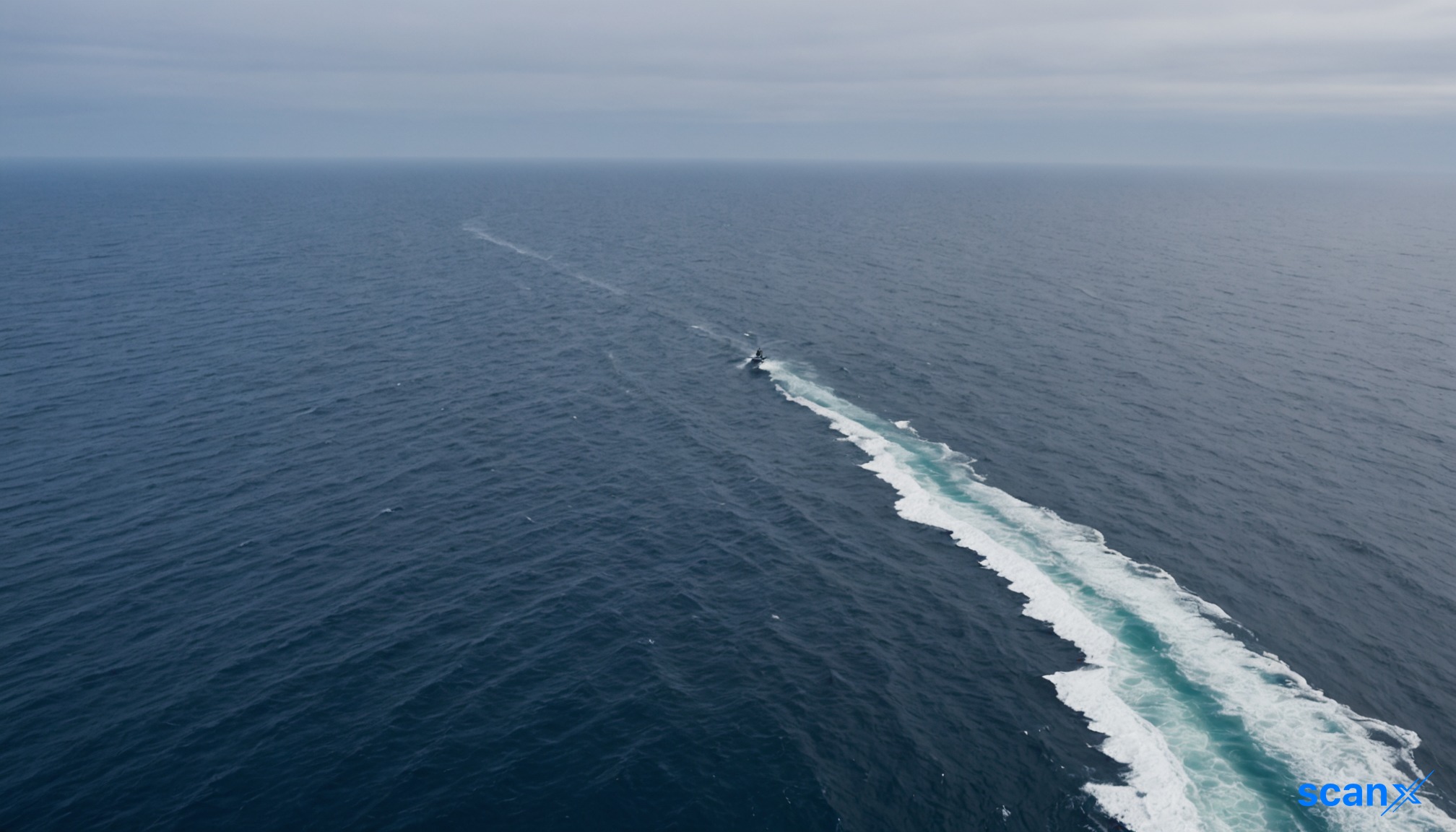

*this image is generated using AI for illustrative purposes only.
The US appears to have abandoned its naval blockade line against Iran, pulling its aircraft carriers off it entirely after Iran's first use of anti-ship ballistic missiles against a carrier. The warships have not been located in the CENTCOM area on Sentinel-2 satellite imagery since the beginning of September.
Satellite imagery confirms withdrawal
The absence of key naval assets was verified through Sentinel-2 satellite imagery analysis. The data indicates that major warships, specifically the USS George H.W. Bush and the USS George Washington, are no longer present in the designated operational zone.
Key observations from the report
- Timeline: The vessels have been absent from the CENTCOM area since the beginning of September.
- Trigger Event: The withdrawal follows Iran's first use of anti-ship ballistic missiles against a carrier.
- Verification Method: The claim relies on Sentinel-2 satellite imagery which failed to locate the ships in the expected region.
Strategic implications
The movement of these specific assets suggests a significant tactical shift in response to the new threat vector introduced by Iran. The departure of the USS George H.W. Bush and USS George Washington marks a notable change in the naval posture in the region.

How will the US Navy adjust its carrier strike group standoff distances and defensive protocols in response to Iran's demonstrated anti-ship ballistic missile capabilities?
What are the potential diplomatic and economic repercussions for regional allies if the US naval presence in the CENTCOM area remains significantly reduced?
Will Iran accelerate the development or deployment of additional asymmetric naval threats, such as unmanned surface vessels, to exploit the current power vacuum?
 20
20



 Access Market Heat-map & Insights
  Create, Save & Share your Screener
  Use 200+ Screening Filters





