

TSMC Q4 Revenue Surpasses Market Forecasts with Strong AI-Driven Growth


TSMC reported Q4 revenue of $33.04 billion, representing 20.45% year-over-year growth and exceeding analyst estimates of $32.72 billion. The strong performance was driven by AI-related demand and client stockpiling ahead of US tariffs. TSMC shares gained 44.2% in 2024, outperforming the broader Taiwan market by 18.5 percentage points, with multiple brokerages raising price targets based on growth expectations.

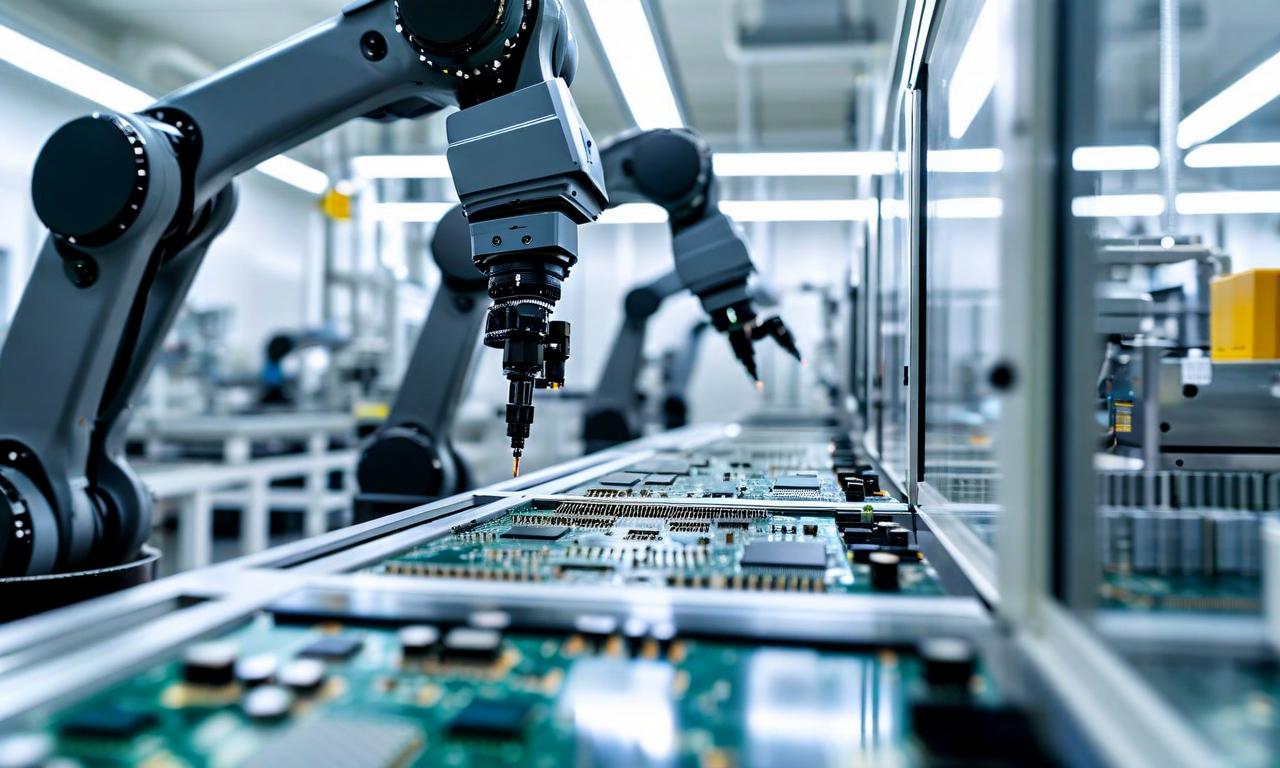

*this image is generated using AI for illustrative purposes only.
Taiwan Semiconductor Manufacturing Company (TSMC), the world's largest chipmaker, has delivered impressive fourth-quarter revenue performance that exceeds market forecasts, according to monthly data released by the company. The strong results reflect robust demand driven by artificial intelligence applications and strategic client behavior ahead of regulatory changes.
Q4 Revenue Performance Exceeds Expectations
TSMC's revenue performance for the October-December period demonstrates significant growth momentum across key metrics:
| Metric: | Q4 2024 | Q4 2023 | Growth |
|---|---|---|---|
| Revenue (TWD): | T$1,046.08 billion | T$868.46 billion | +20.45% |
| Revenue (USD): | $33.04 billion | $27.43 billion | +20.45% |
| Analyst Estimate: | $32.72 billion | - | +1.0% beat |
The quarterly revenue of T$1,046.08 billion ($33.04 billion) significantly outperformed the LSEG SmartEstimate of T$1,035.913 billion ($32.72 billion) based on 20 analyst projections. The results align with TSMC's October guidance range of $32.2 billion to $33.4 billion provided during the company's last earnings call.
AI Demand and Market Dynamics Drive Growth
TSMC's strong performance stems from multiple favorable market conditions that have enhanced demand for semiconductor manufacturing services. The company has emerged as a major beneficiary of advances in artificial intelligence technology, which has created substantial demand for specialized chips required for AI applications.
Additionally, TSMC benefited from rush orders as clients strategically stockpiled semiconductor inventory before US tariffs took effect. This pre-tariff stockpiling behavior contributed to the revenue surge beyond typical seasonal patterns. The AI-driven demand has more than offset the declining pandemic-era demand for chips used in consumer electronics such as tablets and other devices.
Market Performance and Analyst Outlook
TSMC's strong operational performance has translated into impressive market returns and positive analyst sentiment:
| Performance Metric: | Result |
|---|---|
| TSMC Share Performance 2024: | +44.2% |
| Taiwan Market Performance: | +25.7% |
| Outperformance: | +18.5 percentage points |
Multiple brokerages, including JPMorgan Chase, have raised their price targets on TSMC since the beginning of the year. These upgrades reflect expectations of continued strong revenue growth and improving profitability metrics driven by AI-related demand.
Upcoming Earnings and Industry Context
TSMC is scheduled to report comprehensive fourth-quarter earnings on January 15, 2025. The earnings release will include detailed financial metrics, an updated outlook for the current quarter, and full-year guidance. The company will also provide its capital expenditure forecast for 2026, offering insights into long-term investment plans.
TSMC serves major technology companies including Nvidia and Apple, positioning the company at the center of global semiconductor supply chains. The broader semiconductor manufacturing sector has shown strength, with Taiwan's Foxconn, the world's largest contract electronics maker and Nvidia's biggest server manufacturer, reporting fourth-quarter sales of T$2.6028 trillion ($82.20 billion).
Summary
TSMC's fourth-quarter revenue performance demonstrates the company's ability to capitalize on emerging technology trends while navigating complex global trade dynamics. The 20.45% year-over-year growth, combined with performance above analyst expectations, positions TSMC favorably as the semiconductor industry continues evolving with artificial intelligence applications driving demand patterns.







 Access 50+ Readymade Screeners
  Use 200+ Custom Filters
  Get Full Market Insights





