Trump says Iran wants quick deal, US open to engage

scanx
Reviewed by
Anirudha BScanX News Team
Key Highlights
  • Donald Trump stated on Truth Social that Iran seeks a rapid agreement
  • The US is open to engagement, with Trump deciding whether to proceed
  • Iran was described as a "failing Nation" wanting to make a deal quickly
powered bylight_fuzz_icon
50946259

*this image is generated using AI for illustrative purposes only.

Donald Trump stated on Truth Social that Iran seeks a rapid agreement. He indicated the United States is open to engagement, though he will determine whether to proceed with the talks.

The post described Iran as a "failing Nation" that wants to "make a deal, quickly and badly." Trump added that he will decide if the US chooses to engage, noting the concept is one the US is "open to."

What the Numbers Show

No financial data was disclosed in the source material. The statement reflects a geopolitical position rather than a corporate or market event.

How might a potential US-Iran deal impact global oil prices and energy market volatility in the short term?

What are the likely reactions from key US allies in the Middle East, such as Israel and Saudi Arabia, to this shift in diplomatic posture?

Could renewed engagement with Iran lead to the lifting of specific sanctions that would benefit US energy or technology sectors?

like16
dislike

Trump says he would allow Chinese automakers to build plants in US

scanx
Reviewed by
Shriram SScanX News Team
Key Highlights
  • Trump signals willingness to allow Chinese automakers to build plants in the US if they hire local workers
  • Administration maintains 100% tariffs on imported Chinese vehicles to block direct sales
  • General Motors and Ford cited as beneficiaries of policies preventing bankruptcy
  • Automakers reportedly moving production from Canada to the US after trade talks broke down
powered bylight_fuzz_icon
50929003

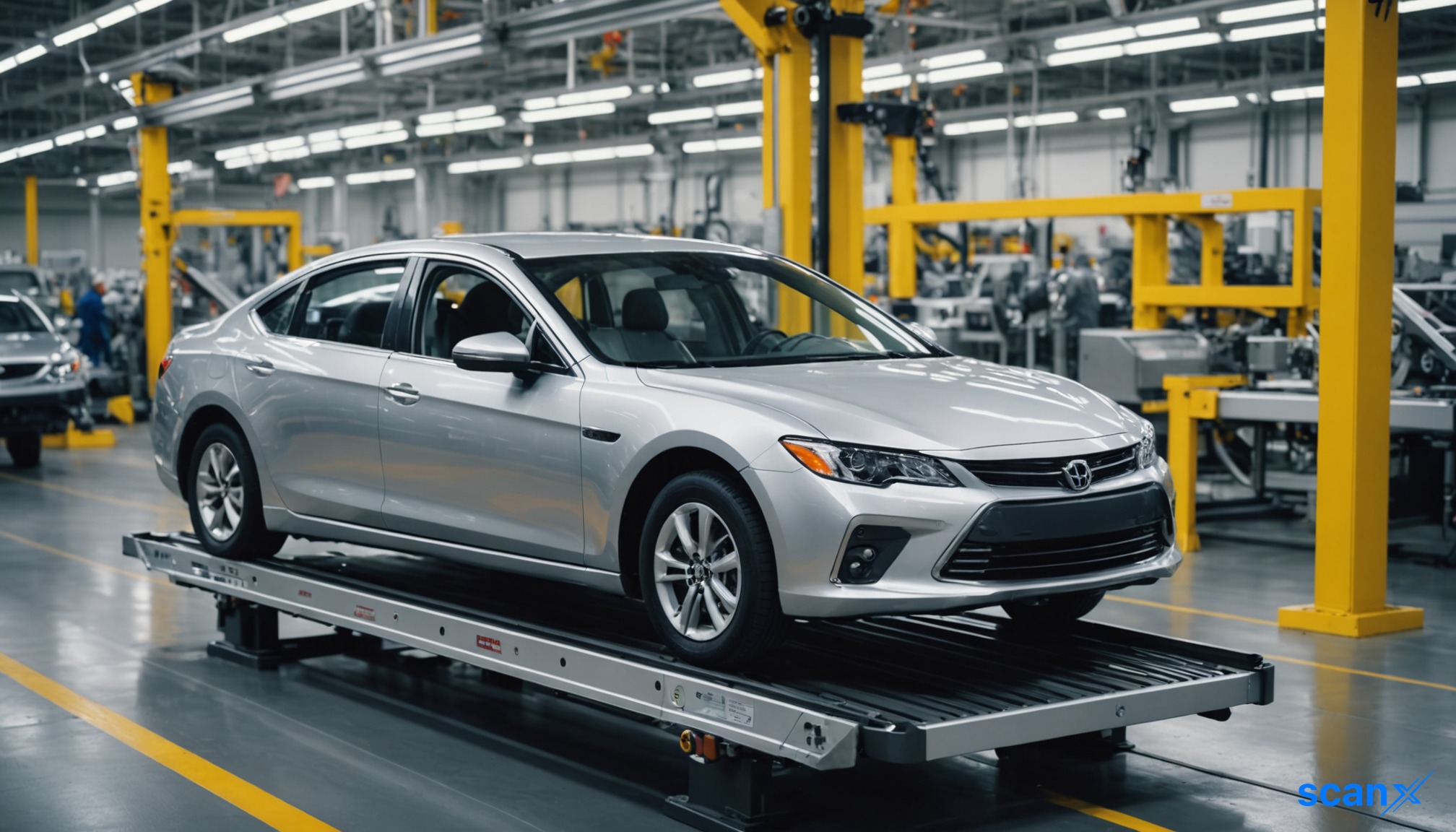
*this image is generated using AI for illustrative purposes only.

President Donald Trump signaled openness to Chinese automakers establishing manufacturing facilities in the United States, provided they hire US workers. The comments emerged ahead of a scheduled meeting with Chinese President Xi Jinping.

Policy Shift on Manufacturing

During an interview with Fox News, Trump initially dismissed reports that the administration was drafting a framework to permit Chinese car sales in the US. He called the reports a "total phony rumor" and credited his tariff strategy for keeping Chinese players out of the market.

However, he later clarified his position regarding domestic production. "If China wanted to come in and open a plant to build their cars here, I would be okay with it," Trump said. He emphasized that such operations must employ US workers and explicitly rejected the model of building vehicles in Mexico and shipping them across the border.

Trump highlighted the domestic manufacturing efforts of General Motors Co. (NYSE: GM) and Ford Motor Co. (NYSE: F), stating that his policies had prevented these companies from going bankrupt. He also noted that automakers are moving production from Canada to the US following a breakdown in trade talks between the two nations.

Tariff Stance Remains Firm

Addressing reporters aboard Air Force One, Trump reaffirmed his protectionist stance on direct imports. "I’m the one that kept them [Chinese automakers] out," he said. "The tariffs kept them out; I have a 100% tariff from 100 to 150."

The comments follow a confirmed order of 200 aircraft by Chinese airlines for Boeing Co. (NYSE: BA) after Trump’s visit to Beijing in May. Trump expressed confidence in securing further deals, stating, "I get every deal."

What the Numbers Show

The administration’s strategy presents a distinct bifurcation in trade policy. While maintaining a 100% tariff barrier against imported Chinese vehicles, the potential allowance of local manufacturing creates a pathway for market entry contingent on capital expenditure within the US. This approach shifts the competitive dynamic from import substitution to domestic capacity utilization, leveraging existing US supply chains rather than blocking foreign capital entirely.

How might Chinese automakers like BYD or NIO structure their US manufacturing partnerships to comply with the 'US workers' requirement while maintaining cost competitiveness?

What is the potential impact on General Motors and Ford's market share if Chinese competitors enter the US domestic manufacturing landscape?

Will this policy shift influence other foreign automakers to accelerate their own US-based production expansions to preempt Chinese competition?

like20
dislike