Trump says he would allow Chinese automakers to build plants in US

scanx
Reviewed by
Shriram SScanX News Team
Key Highlights
  • Trump signals willingness to allow Chinese automakers to build plants in the US if they hire local workers
  • Administration maintains 100% tariffs on imported Chinese vehicles to block direct sales
  • General Motors and Ford cited as beneficiaries of policies preventing bankruptcy
  • Automakers reportedly moving production from Canada to the US after trade talks broke down
powered bylight_fuzz_icon
50929003

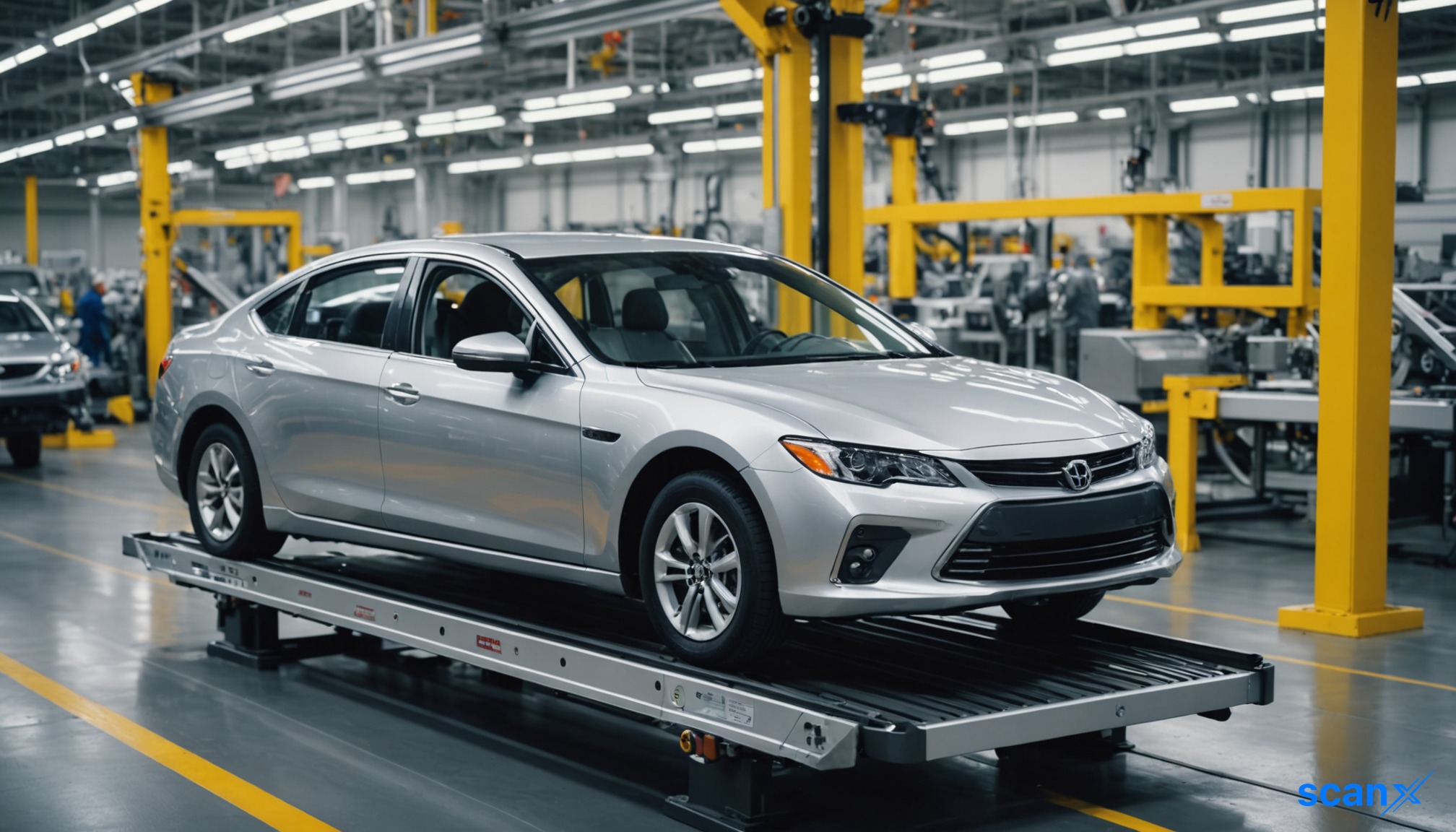
*this image is generated using AI for illustrative purposes only.

President Donald Trump signaled openness to Chinese automakers establishing manufacturing facilities in the United States, provided they hire US workers. The comments emerged ahead of a scheduled meeting with Chinese President Xi Jinping.

Policy Shift on Manufacturing

During an interview with Fox News, Trump initially dismissed reports that the administration was drafting a framework to permit Chinese car sales in the US. He called the reports a "total phony rumor" and credited his tariff strategy for keeping Chinese players out of the market.

However, he later clarified his position regarding domestic production. "If China wanted to come in and open a plant to build their cars here, I would be okay with it," Trump said. He emphasized that such operations must employ US workers and explicitly rejected the model of building vehicles in Mexico and shipping them across the border.

Trump highlighted the domestic manufacturing efforts of General Motors Co. (NYSE: GM) and Ford Motor Co. (NYSE: F), stating that his policies had prevented these companies from going bankrupt. He also noted that automakers are moving production from Canada to the US following a breakdown in trade talks between the two nations.

Tariff Stance Remains Firm

Addressing reporters aboard Air Force One, Trump reaffirmed his protectionist stance on direct imports. "I’m the one that kept them [Chinese automakers] out," he said. "The tariffs kept them out; I have a 100% tariff from 100 to 150."

The comments follow a confirmed order of 200 aircraft by Chinese airlines for Boeing Co. (NYSE: BA) after Trump’s visit to Beijing in May. Trump expressed confidence in securing further deals, stating, "I get every deal."

What the Numbers Show

The administration’s strategy presents a distinct bifurcation in trade policy. While maintaining a 100% tariff barrier against imported Chinese vehicles, the potential allowance of local manufacturing creates a pathway for market entry contingent on capital expenditure within the US. This approach shifts the competitive dynamic from import substitution to domestic capacity utilization, leveraging existing US supply chains rather than blocking foreign capital entirely.

How might Chinese automakers like BYD or NIO structure their US manufacturing partnerships to comply with the 'US workers' requirement while maintaining cost competitiveness?

What is the potential impact on General Motors and Ford's market share if Chinese competitors enter the US domestic manufacturing landscape?

Will this policy shift influence other foreign automakers to accelerate their own US-based production expansions to preempt Chinese competition?

like18
dislike

F-15 Pilot 'Bravo' Survives Iran Shootdown, Denies Forced Interview

scanx
Reviewed by
Shraddha JScanX News Team
Key Highlights
  • F-15 pilot 'Bravo' survived a 70-100 mph fall and two days behind enemy lines in Iran
  • Pentagon denies reports that officials forced pilots to participate in CBS News interview
  • Mission Dude 44 targeted Iranian drone and missile facilities near Isfahan in April
  • Construction activity increased at suspected nuclear site Pickaxe Mountain near Natanz
powered bylight_fuzz_icon
50927602

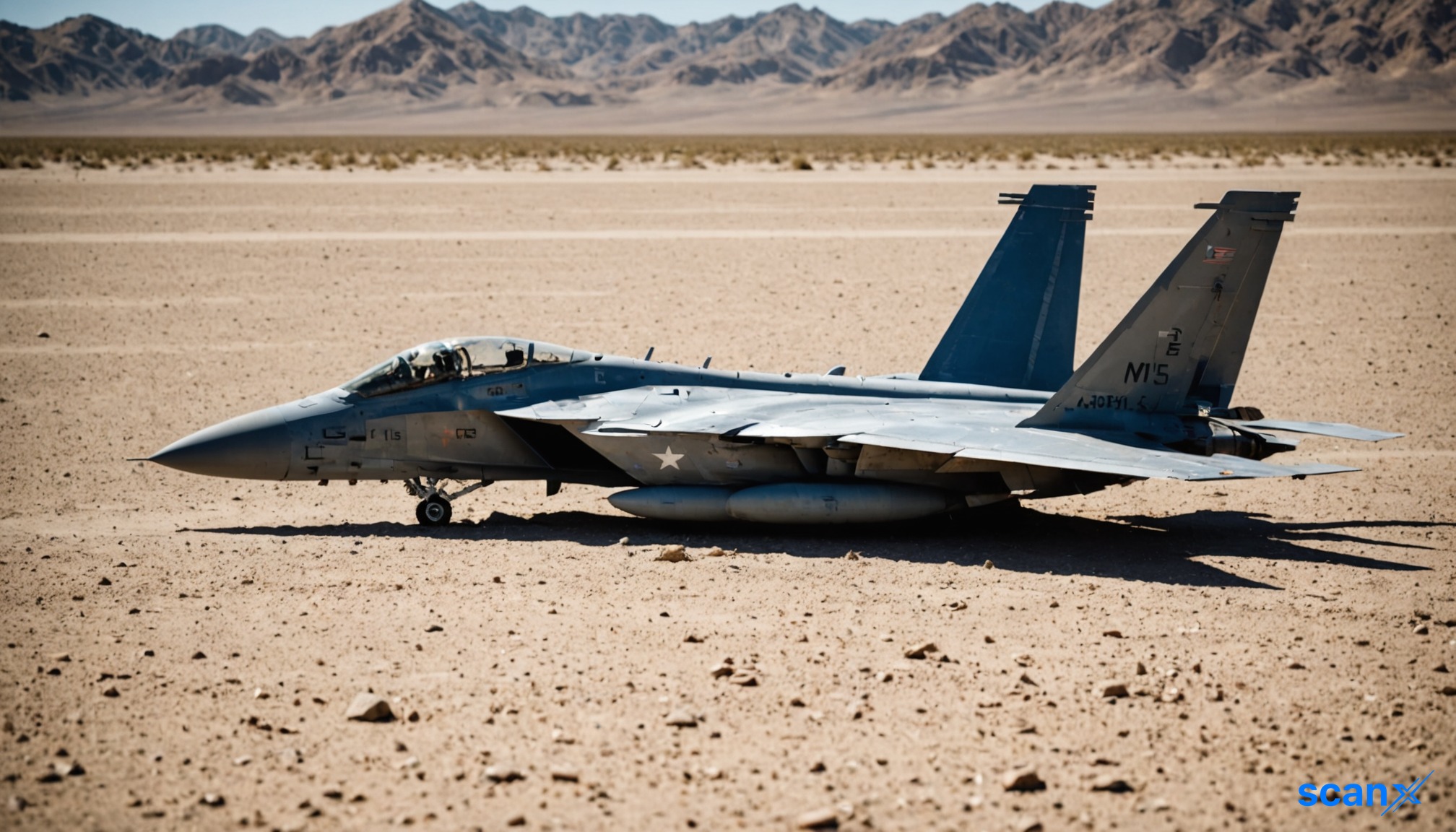
*this image is generated using AI for illustrative purposes only.

US Air Force officer 'Bravo' recounted surviving a 70-100 mph fall and two days behind enemy lines in Iran after his F-15E was shot down. The pilot described the incident as a "modern-day miracle" following a rescue operation near Isfahan.

Bravo told CBS News "60 Minutes" that he was separated from his pilot, "Alpha," when their aircraft was hit by an Iranian missile in April. He free-fell to the ground at an estimated speed of 70-100 mph after the missile damaged his parachute. Despite suffering a broken back, arm, and shoulder upon impact, Bravo managed to hide and survive for two days before being rescued.

Mission Context and Rescue

The mission, known as Dude 44, was conducted near Isfahan, a city close to where Iran stores much of its highly enriched nuclear material. According to Adm. Brad Cooper, the commander of US Central Command, the mission's objective was to strike industrial facilities related to Iran's drone and missile program.

President Donald Trump announced the successful rescue of the second crew member in April, declaring "WE GOT HIM!" and calling it "one of the most daring Search and Rescue Operations in US History." Trump stated the officer "was never truly alone," as Defense Secretary Pete Hegseth, Chairman of the Joint Chiefs of Staff, and fellow warfighters monitored the operation around the clock.

Interview Controversy

Defense Secretary Pete Hegseth told CBS News that he immediately focused on the crew's safety after being awakened by the incident. He vowed the US would retrieve them regardless of their status.

A report by CNN stated that Hegseth and Pentagon political appointees pushed the two F-15 crew members shot down over Iran in April to participate in a "60 Minutes" report about their rescue. Both airmen initially hesitated, with one concerned they could be ordered to participate, while military officials worried the interview could expose classified details of the rescue operation.

After raising concerns, the two survivors were privately asked by Hegseth whether they wanted to participate. One pilot, "Bravo," agreed to an on-camera interview, while "Alpha" declined to participate.

Pentagon spokesperson Sean Parnell strongly denied CNN's report, calling it "a complete lie." He said the pilots independently decided whether to participate in the interview and stressed that the Pentagon took steps to protect operational security and sensitive information.

Regional Tensions

The rescue of Bravo comes against the backdrop of heightened tensions. Suspected Iranian nuclear site Pickaxe Mountain, near the Natanz complex, has reportedly seen increased construction activity this year, drawing continued intelligence attention. Meanwhile, Pentagon officials are developing plans for potential strikes on Iran's underground nuclear facilities, including a recent focused "planning sprint" on possible operations.

How might the controversy over Pentagon pressure for media interviews impact future military personnel's willingness to participate in public relations efforts?

What are the potential diplomatic repercussions of the US conducting strikes near Iran's nuclear facilities and the subsequent high-profile rescue operation?

Could the increased construction activity at Pickaxe Mountain signal an acceleration in Iran's nuclear program, thereby influencing the timeline for planned US military responses?

like20
dislike