

Mediators renew US-Iran talks with interim deal draft after Trump rejection


- Mediators are renewing efforts to negotiate a settlement between the US and Iran
- Negotiators will present a potential interim agreement to Iran on Tuesday
- Trump previously rejected an Iranian request to reopen the Strait of Hormuz
- Talks continue despite skepticism over Tehran's intentions and military constraints

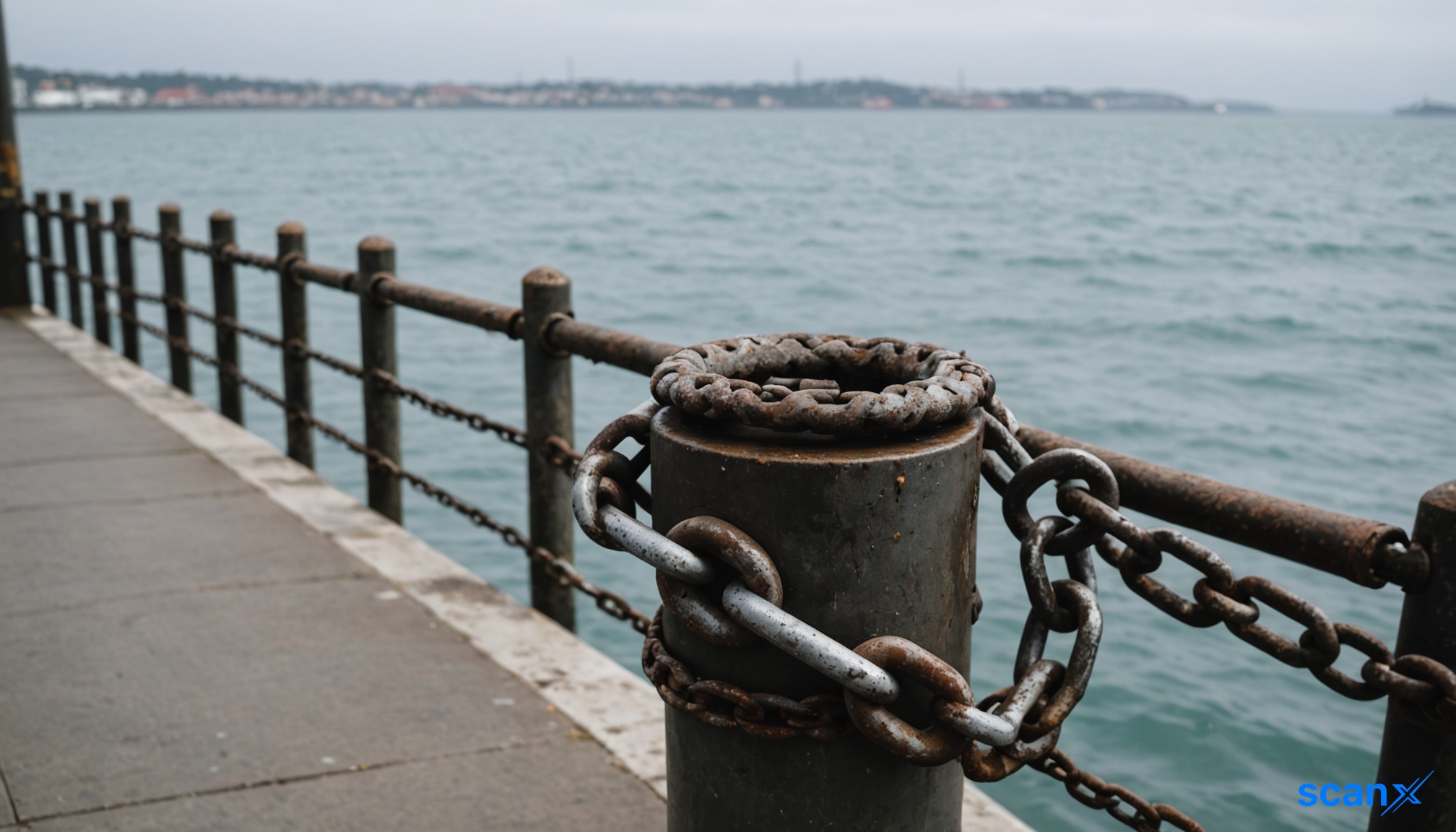

*this image is generated using AI for illustrative purposes only.
Mediators are renewing efforts to negotiate a settlement between the United States and Iran, days after President Donald Trump rejected an Iranian request to reopen the Strait of Hormuz and restart talks to end the war. Negotiators are due to give over the latest updated copy of a potential interim agreement to Iran on Tuesday, according to two individuals briefed on the talks.
Skepticism over Tehran's intentions
Trump remains skeptical that Iran would meet his proposals. The Wall Street Journal reported that a likely scenario involves the resumption of bombings. This stance persists despite earlier reports of U.S. and Iranian negotiators discussing a phased path out of the war in New York.
Iran proposed reopening the Strait of Hormuz and restarting nuclear discussions in exchange for Washington lifting its economic blockade of the country’s ports. However, Trump’s position could shift as the conflict continues or based on midterm election results.
Military constraints and ongoing talks
The intensity of potential renewed attacks remains undetermined. Trump is reportedly unwilling to restart significant military operations partly because the U.S. intends to retain declining munitions stocks for other emergencies.
Negotiations are continuing through mediators, including discussions on nuclear issues. A U.S.-led initiative ensuring oil tankers pass through the Strait of Hormuz has reduced the urgency for an immediate deal. Washington has informed Tehran and mediators that it does not plan to remove the maritime embargo.
Political timelines and diplomatic signals
Iranian President Masoud Pezeshkian stated that the country is willing to make a peace deal with the U.S. before the November midterms. Speaking at the United Nations General Assembly, Pezeshkian urged Washington to return to the June memorandum of understanding that established a framework for a temporary ceasefire before collapsing.
In his UN address, Trump indicated his administration could reach a peace agreement with Iran after the midterms. However, he previously warned he could "annihilate" Iran if Tehran fails to reach a deal to end the conflict.

How might the outcome of the U.S. midterm elections specifically alter the administration's leverage or timeline for finalizing a deal with Iran?
What are the projected impacts on global crude oil prices if the Strait of Hormuz remains partially restricted despite the U.S.-led tanker escort initiative?
To what extent are declining U.S. munitions stocks influencing the strategic calculus for potential renewed military operations versus diplomatic concessions?
 19
19





 Create Custom Screeners
  Access 200+ Pre-built Filters
  Use 50+ Readymade Screener





