

Trump: Strait of Hormuz Beneficiaries Should Help Ensure Maritime Security


President Trump stated to the Financial Times that beneficiaries of the Strait of Hormuz should appropriately help ensure the waterway's security. His comments reflect a shared responsibility approach for protecting this critical maritime chokepoint that serves global energy transportation and international trade.

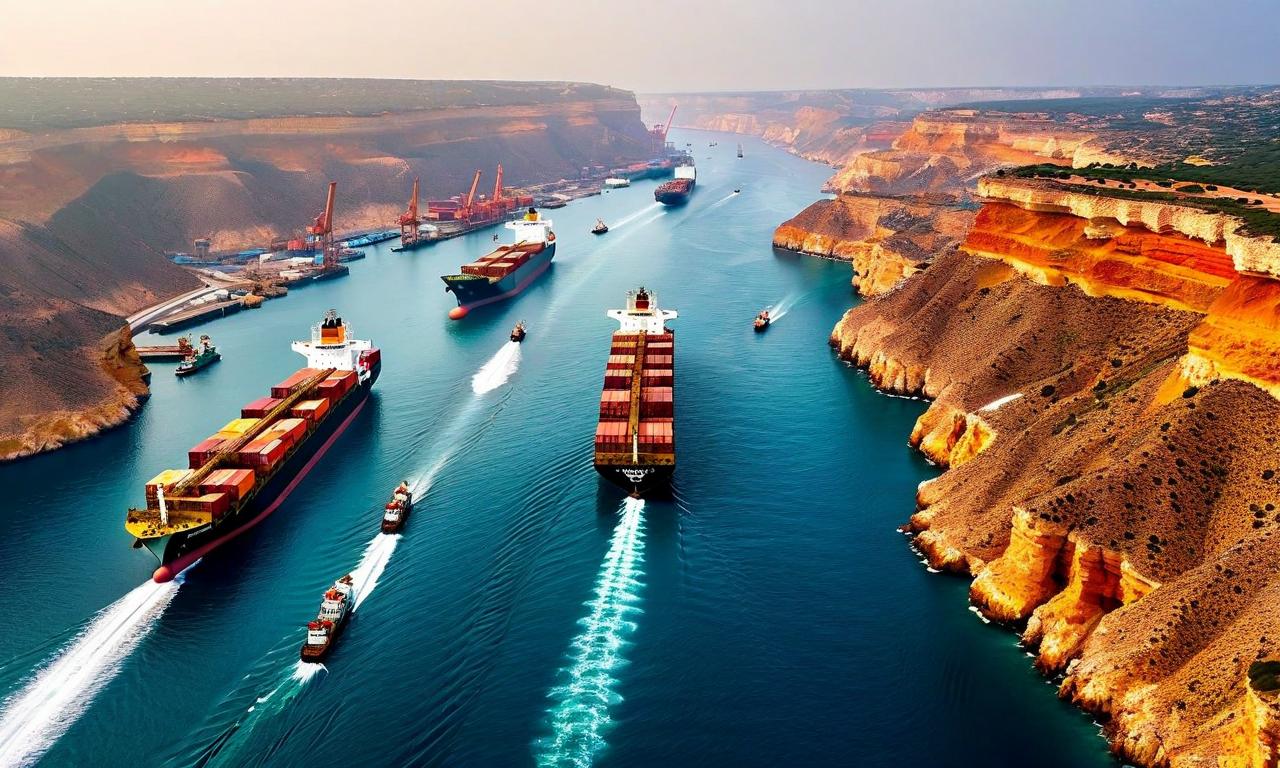

*this image is generated using AI for illustrative purposes only.
President Trump has told the Financial Times that it is only appropriate for the beneficiaries of the Strait of Hormuz to help ensure nothing bad happens to the strategically important waterway. This statement reflects his administration's approach to shared responsibility for maritime security among nations that benefit from the critical shipping route.
Strategic Importance of Strait of Hormuz
The Strait of Hormuz represents one of the world's most critical maritime chokepoints for global energy transportation and international trade. Any disruption to this waterway can have significant implications for global supply chains and energy markets.
| Parameter: | Details |
|---|---|
| Strategic Status: | Critical maritime chokepoint |
| Primary Function: | Global energy transportation |
| Economic Impact: | International trade route |
| Security Concern: | Supply chain disruptions |
Shared Responsibility Framework
Trump's statement to the Financial Times emphasizes a principle of shared responsibility, suggesting that countries and entities benefiting from the Strait of Hormuz should contribute to its security and operational stability. This approach indicates expectations for international cooperation in maintaining the waterway's functionality.
Diplomatic and Economic Implications
The President's comments reflect broader geopolitical considerations regarding maritime security and the distribution of responsibilities among major economies. The statement underscores the international nature of maritime security challenges and highlights the need for coordination among beneficiary nations to maintain open shipping lanes for global commerce.
The development suggests ongoing diplomatic efforts to establish frameworks for collective security arrangements in critical maritime passages that serve global trade interests.
 20
20






 Create Custom Screeners
  Access 200+ Pre-built Filters
  Use 50+ Readymade Screener





