Trump cancels $810M in federal funding via rare pocket rescission

scanx
Reviewed by
Shraddha JScanX News Team
Key Highlights
  • Trump canceled $810 million in federal funding via a rare pocket rescission affecting seven agencies
  • New fuel-economy standards approved by Trump roll back Biden-era vehicle efficiency rules
  • Supreme Court revived expanded voter-citizenship database for state screening before midterms
  • Iran advocates for diplomatic solution after Trump rejects Strait of Hormuz reopening proposal
powered bylight_fuzz_icon
52045620

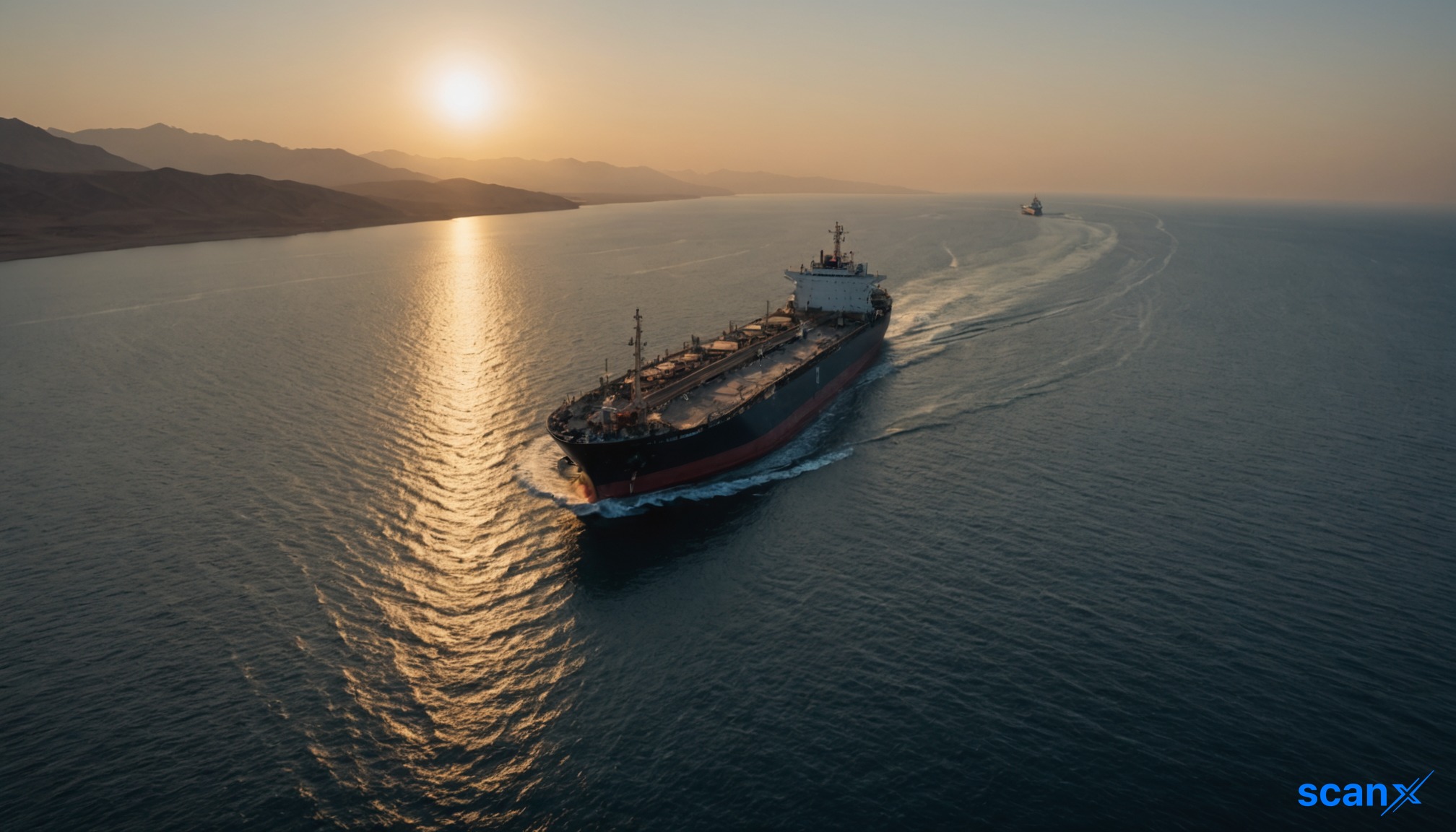
*this image is generated using AI for illustrative purposes only.

President Trump canceled $810 million in congressionally approved funding on Friday through a rare "pocket rescission," only the second such move in 49 years. The action affects immigration, education, and housing programs across seven federal agencies.

In a notice to House Speaker Mike Johnson (R-La.), Trump cited the Congressional Budget and Impoundment Control Act of 1974. He reported 11 rescissions of budget authority totaling the specified amount. This executive action bypasses standard legislative approval processes for spending cuts.

Fuel standards rollback approved

Trump announced his approval of new fuel-economy standards that roll back vehicle efficiency rules implemented during Biden's presidency. The Transportation Department is expected to formally finalize these standards on Monday.

The Trump administration argues this move will lower new-car prices and provide automakers with more flexibility in production. Critics warn it could lead to increased gasoline consumption. The change terminates the previous administration's electric vehicle mandate framework.

Iran seeks diplomatic solution

Iran is advocating for a negotiated solution to its conflict with the U.S. and Israel after Trump rejected an Iranian proposal to reopen the Strait of Hormuz and end fighting. The proposal was announced at the UN General Assembly and communicated through Qatari mediators.

Iranian Foreign Minister Abbas Araqchi stated that any action on the waterway depends on conditions set by Iran. "Only a negotiated solution can get them out of this deadlock," Araqchi said, according to Reuters.

Supreme Court revives voter database

The U.S. Supreme Court revived an expanded voter-citizenship database on Friday, allowing states to resume bulk voter screening weeks before the midterms. Federal law bars states from systematically purging voter rolls within 90 days of an election, which limits the immediate practical effect of the ruling.

Vance criticizes H-1B visa usage

Vice President JD Vance expressed strong views against corporations replacing American workers with foreign labor through the H-1B visa program. "Our message to corporate America is simple: We're not going to let you lay off American workers so you can replace them with cheap foreign labor," Vance stated.

Disclaimer: This article is AI-generated using data from ViewTrade. ScanX is not liable for any inaccuracies.

How might the unprecedented use of pocket rescissions influence future legislative negotiations over federal budget authority?

What are the projected long-term impacts of the fuel-economy rollback on U.S. automakers' competitiveness in the global electric vehicle market?

Could Iran's rejection of the Strait of Hormuz reopening proposal escalate regional tensions or disrupt global oil supply chains in the coming months?

like20
dislike

Trump rejects Iran's Hormuz proposal as Tehran pushes for talks

scanx
Reviewed by
Anirudha BScanX News Team
Key Highlights
  • Trump rejected Iran's proposal to reopen the Strait of Hormuz, saying Iran is "losing so badly" and is desperate for a deal
  • Iranian FM Abbas Araqchi said only a negotiated solution can break the deadlock and Tehran awaits formal confirmation from mediators
  • Iran's proposal, communicated via Qatari channels, included a seven-day clock for reopening the strait and a halt to fighting
  • Polymarket assigns an 8% chance of a U.S.-Iran Hormuz agreement by September 30, up 5 percentage points in a week
  • Treasury Secretary Scott Bessent confirmed more than 80% of Iran's external flights have been shut down
powered bylight_fuzz_icon
51870826

*this image is generated using AI for illustrative purposes only.

Trump rejected Iran's proposal to reopen the Strait of Hormuz, calling Iran desperate and claiming it is "losing so badly." Iranian Foreign Minister Abbas Araqchi said "only a negotiated solution can get them out of this deadlock."

Iran waiting for mediators

Despite Trump's public rejection, Araqchi said intermediaries handling contacts between Tehran and Washington had not formally delivered a U.S. refusal. "We are waiting for the mediators to convey the definitive views to us, and we will make a decision based on them," Araqchi said. Iran unveiled the proposal at the UN General Assembly in New York and communicated it to U.S. officials through Qatari channels.

Araqchi told reporters at the United Nations that Iran's proposal would set a seven-day clock for reopening the strait and include a halt to fighting in the region. "If there is seriousness on the US side to come to a deal and reopen the Strait of Hormuz, everything is now prepared," he said. Araqchi added that any move on the waterway depends on conditions Iran has laid out.

Trump rejects Iran's proposal

Trump told reporters at the White House that he rejected the plan. The U.S. has tightened economic pressure on Tehran in an effort to halt Iranian attacks on ships transiting the strait, a campaign that has driven down traffic through the corridor. Treasury Secretary Scott Bessent confirmed that more than 80% of Iran's external flights had likely been shut down.

A White House official told Reuters that Iran is "desperate" for a deal and that Trump "holds all the cards." Earlier, Trump warned he could "annihilate" Iran if Tehran fails to reach a deal.

Iran's position on talks

Iranian President Masoud Pezeshkian, speaking to CBS' "Face the Nation," said Iran was open to talks on its nuclear program and other matters but would not accept "bullying or coercion." Pezeshkian said, "Iran is not seeking war, but will defend itself against pressure, threats and attacks," and added that Iran had already agreed that "we're not supposed to develop nuclear weapons." Pezeshkian also stated the country is willing to make a peace deal with the U.S. before the November midterms, urging Washington to return to the June memorandum of understanding that established a framework for a temporary ceasefire before collapsing.

Iran has also engaged Saudi Arabia on Hormuz-related issues as the fighting has disrupted oil flows and weighed on the global economy. Yemen's Saudi-led coalition said it intercepted two ballistic missiles and two drones launched by the Houthis toward Saudi Arabia. Iran's Parliament Speaker Mohammad Bagher Ghalibaf warned that Iran could return the U.S. to "1970s rates," along with high gas prices and diesel shortages.

Phased de-escalation framework

A senior Iranian official described the arrangement as a gradual path out of the conflict. Under this framework, Iran would permit transit via the Strait of Hormuz while the U.S. agrees to remove its economic blockade. Iran may also gain access to assets that have been frozen. This structure represents a tentative remedy following the collapse of a temporary peace deal two months ago.

What the numbers show

The following table captures key metrics reflecting the state of negotiations and economic pressure:

Metric Value Change
Polymarket odds (Hormuz deal by Sept 30) 8% +5 percentage points in a week
Iran external flights shut down >80% N/A

Betting crowd on Polygon-based Polymarket assigns an 8% chance that the U.S. and Iran reach an agreement over traffic in the Strait of Hormuz by September 30, an increase of 5 percentage points in a week. While diplomatic channels remain open through Qatari mediators, the low probability assigned by markets and the scale of economic pressure on Iran, with over 80% of external flights shut down, underscore the significant gap between the two sides. Tehran's insistence on a negotiated path and Washington's public rejection of the latest proposal highlight the complexity facing negotiators.

Disclaimer: This article is AI-generated using data from ViewTrade. ScanX is not liable for any inaccuracies.

How might the formal delivery of the U.S. refusal via Qatari mediators impact Iran's subsequent diplomatic strategy or military posture in the region?

What specific economic indicators or market reactions would signal that the 80% reduction in Iranian external flights is causing unsustainable internal instability?

Could Iran's threat to return the U.S. to '1970s rates' materialize into actual supply chain disruptions if the Strait of Hormuz remains closed beyond September?

like20
dislike