Thailand Mulls Gold Trading Tax to Tame Surging Baht

1 min read     Updated on 15 Sept 2025, 03:22 PM
scanx
Reviewed by
Shraddha JScanX News Team
AI Summary

Thailand is exploring a tax on physical gold trading settled in baht to slow the currency's appreciation, which is negatively impacting exports and tourism. The proposed tax may exempt dollar-denominated trades, futures exchanges, and purchases at physical bullion shops. Gold exports have surged 69% in the first seven months of the year. The baht has rallied 7% in 2023, reaching a 2021 high. Prime Minister Anutin Charnvirakul has committed to addressing the baht's strength and investigating gold export irregularities. The Bank of Thailand plans to meet with gold-trading companies and tighten transaction reporting requirements.


powered bylight_fuzz_icon
19475539

*this image is generated using AI for illustrative purposes only.

Thailand's authorities are considering implementing a tax on physical gold trading settled in baht, aiming to slow down the currency's rally that has been negatively impacting the country's crucial export and tourism sectors.

Proposed Tax Measures

The Bank of Thailand and the Ministry of Finance are exploring ways to tax gold purchases made through online channels. However, the proposed tax may exempt:

  • Dollar-denominated trades
  • Futures exchanges
  • Purchases made at physical bullion shops

The primary objectives of this tax are:

  1. Reduce gold exports
  2. Make gold ownership more expensive for Thai citizens

Surge in Gold Exports

Thailand has witnessed a significant increase in gold exports:

  • A 69% surge to 254.00 billion baht in the first seven months of the year
  • Unusual shipments to Cambodia have raised eyebrows, prompting demands for investigations

Baht's Strength and Its Impact

The Thai baht has shown remarkable strength:

  • Rallied 7% this year, reaching a 2021 high
  • This appreciation has led to concerns among exporters and tourism operators

The stronger baht is particularly problematic for Thailand's economy, as exports and tourism collectively account for about 70% of the country's GDP.

Government Response

Prime Minister Anutin Charnvirakul has pledged to:

  • Urgently address concerns about the baht's strength
  • Investigate irregularities in gold exports

Additional Challenges

Thai exporters are facing compounded pressures:

  • 19% US tariffs on certain exports
  • Declining number of Chinese tourist arrivals

Bank of Thailand's Next Steps

The Bank of Thailand (BOT) is taking proactive measures:

  • Officials will meet with gold-trading companies
  • Discussions will focus on the metal's impact on the currency
  • Plans to tighten transaction reporting requirements

As Thailand grapples with these economic challenges, the proposed gold trading tax represents a strategic move to stabilize the baht and protect key sectors of the economy. The effectiveness of this measure and its potential implications for the gold market and broader economy remain to be seen.

like18
dislike

Thailand's Economic Powerhouse: Beyond Tourism, Manufacturing and Agriculture Lead Growth

2 min read     Updated on 31 Jul 2025, 01:01 PM
scanx
Reviewed by
Jubin VScanX News Team
AI Summary

Thailand's economy is multifaceted, extending far beyond its renowned tourism sector. While tourism contributes 20% to GDP, generating $48 billion in 2024, other sectors play crucial roles. Agriculture employs a third of the population, with Thailand leading in jasmine rice exports. The manufacturing sector, particularly automotive, has earned Thailand the nickname 'Detroit of Asia'. Exports account for 60% of national output, with major trading partners including China, Japan, the US, and EU. The country attracts significant foreign direct investment and is developing emerging sectors like medical tourism. Natural resources such as tin, tungsten, and natural gas further support economic growth.

powered bylight_fuzz_icon
15492711

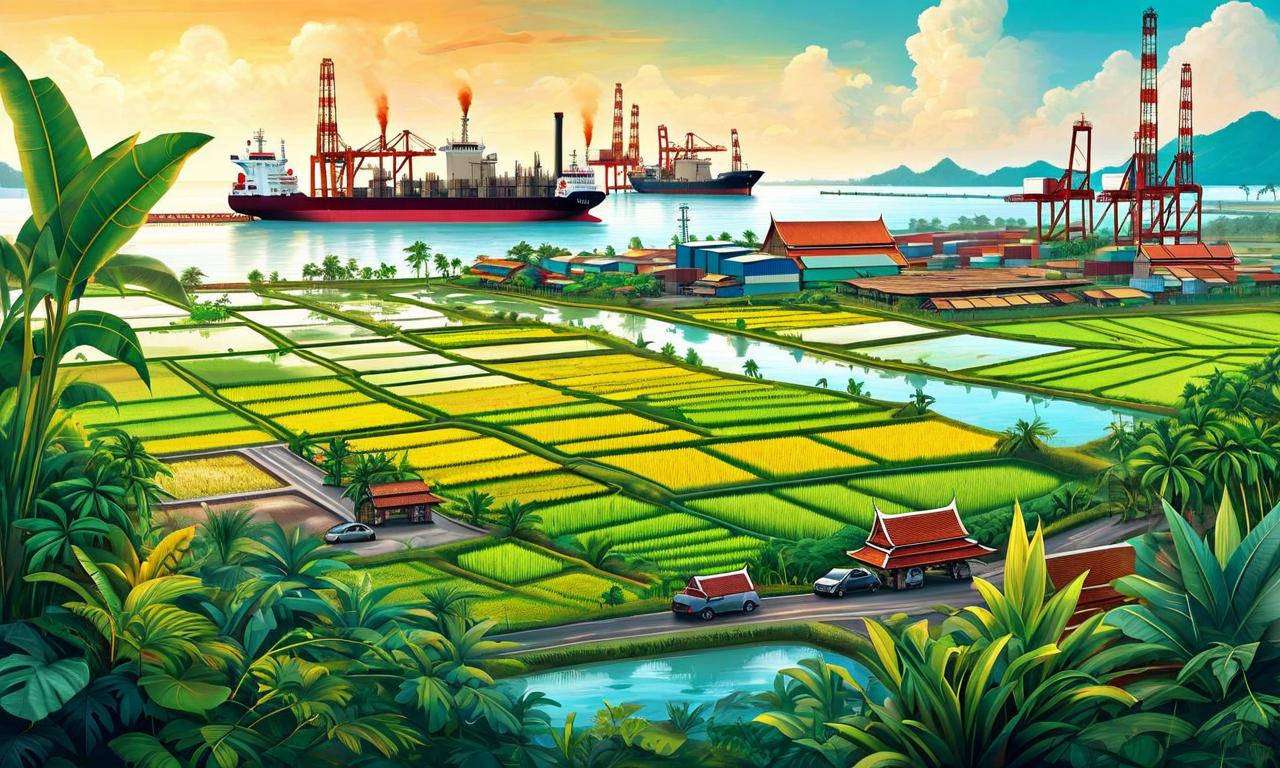
*this image is generated using AI for illustrative purposes only.

Thailand's economy has long been associated with its thriving tourism sector, but a closer look reveals a diverse and robust economic landscape that extends far beyond its sandy beaches and vibrant street markets.

Tourism: A Significant Contributor

While tourism remains a crucial component of Thailand's economy, contributing approximately 20% to the country's GDP, it's just one piece of a much larger economic puzzle. In 2024, the tourism sector generated an impressive $48.00 billion from 35 million international visitors, underscoring its continued importance.

Agricultural Strength

Agriculture plays a vital role in Thailand's economy, employing nearly a third of the population. The country has maintained its status as the world's leading exporter of jasmine rice, alongside other key agricultural products such as rubber, seafood, and tropical fruits. This sector not only ensures food security but also contributes significantly to export revenues.

Manufacturing: The 'Detroit of Asia'

Thailand's manufacturing sector has earned the country the nickname 'Detroit of Asia,' highlighting its prominence in automotive production. Major global automotive brands including Toyota, Honda, Ford, and Isuzu have established significant manufacturing operations in the country. Beyond automobiles, Thailand's manufacturing prowess extends to electronics and textiles, diversifying its industrial base.

Export-Driven Economy

Exports form the backbone of Thailand's economy, accounting for approximately 60% of the national output. The country's main trading partners include China, Japan, the United States, and the European Union, reflecting its integration into global supply chains and its strategic position in Southeast Asia.

Foreign Direct Investment

Thailand continues to attract substantial foreign direct investment, particularly from Japanese, Chinese, and U.S. companies. This influx of foreign capital is supported by the country's relatively stable political conditions and investor-friendly regulations, which have helped create a conducive environment for business growth and expansion.

Emerging Sectors

Medical tourism has emerged as a growing niche within Thailand's service sector, enhancing the country's reputation as a healthcare destination. This development not only diversifies the tourism offering but also showcases the country's advanced medical facilities and skilled healthcare professionals.

Natural Resources

Thailand's economic growth is further supported by its natural resources, including tin, tungsten, and natural gas. These resources continue to play a crucial role in supporting industrial expansion and providing raw materials for various sectors of the economy.

Conclusion

Thailand's economy demonstrates remarkable resilience and diversity, with strong foundations in manufacturing, agriculture, and exports. While tourism remains a significant contributor, the country's economic success story extends far beyond its beaches, encompassing a wide range of industries and sectors that position Thailand as a key player in the global economy.

like16
dislike