Ted Cruz Audio Leak Reveals White House Divisions Over India-US Trade Deal


Leaked audio from Senator Ted Cruz's donor meetings reveals deep divisions within the Trump administration over India trade policy. Cruz advocates for accepting a trade deal with India while facing opposition from VP JD Vance and advisor Peter Navarro. The Senator warned donors about potential electoral losses, as Trump's approval rating has dropped to 37% amid criticism of tariff policies. US-India trade relations have deteriorated with 50% tariffs imposed on Indian goods, despite research showing US importers bear most tariff costs.
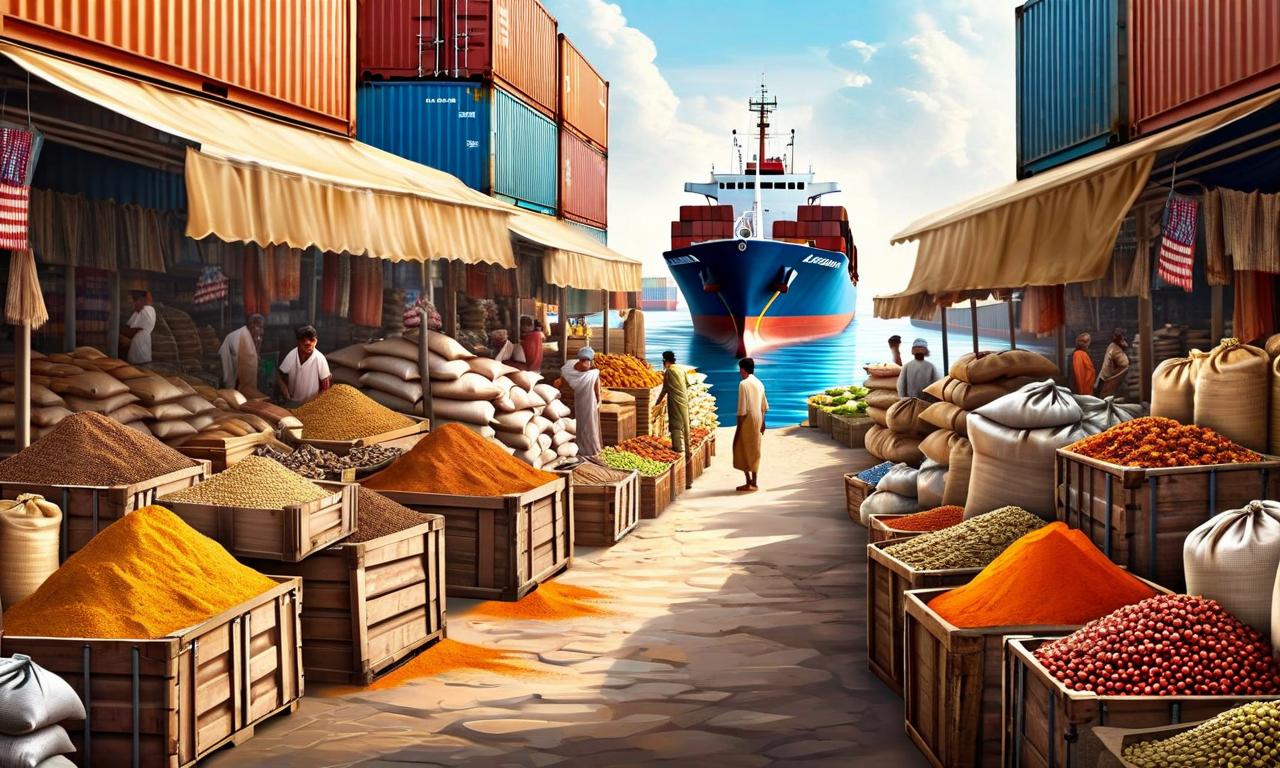

*this image is generated using AI for illustrative purposes only.
A leaked audio recording has revealed significant internal divisions within the Trump administration over trade policy with India, with Senator Ted Cruz emerging as a vocal critic of the current approach. The 10-minute recording, obtained from Cruz's private donor meetings, exposes tensions between key administration figures regarding a potential India-US trade deal.
Internal Opposition to India Trade Deal
According to the leaked audio reported by Axios, Cruz has been advocating for the US President to accept a trade deal with India, facing resistance from several high-ranking officials. The opposition includes Vice President JD Vance, White House economic advisor Peter Navarro, and at times Trump himself.
| Key Players: | Position on India Trade Deal |
|---|---|
| Ted Cruz: | Supports accepting deal |
| JD Vance: | Opposes deal |
| Peter Navarro: | Opposes deal |
| Trump: | Sometimes opposes |
Cruz's Warning to Donors
In the recorded meetings with donors, Cruz reportedly delivered stark warnings about the political consequences of current policies. "You're going to lose the House, you're going to lose the Senate, you're going to spend the next two years being impeached every single week," Cruz allegedly told his supporters, highlighting concerns about the administration's electoral prospects.
The Texas Senator has notably avoided making any public statement confirming or denying the report, despite posting multiple times on social media platform X since the story broke 13 hours earlier. Both Trump and Vance's spokespersons declined to comment when contacted by Axios.
Deteriorating Trade Relations
The leak comes against a backdrop of significantly strained US-India trade relations. Trade deal prospects have faded considerably since Trump took office, with the administration imposing substantial tariffs on Indian exports.
| Trade Impact: | Details |
|---|---|
| Tariff Rate: | 50% on goods from India |
| Research Coverage: | 25 million transactions |
| Trade Value Analyzed: | $4 trillion |
A research report by the German think-tank Kiel Institute, released in January 2026, provided evidence that "US importers bear nearly all the cost of the 2025 tariffs," using data covering over 25 million transactions and nearly $4 trillion in trade value.
Political Implications
The leaked audio has broader implications for both domestic and foreign policy. Cruz has emerged as arguably the biggest voice of dissent within the Trump administration during its second term. The revelation may provide additional ammunition for Trump critics, particularly as the economic impact of tariffs becomes more apparent.
Recent polling data from the Economist shows Trump's net approval rating has declined to 37%, down 19% overall and 2 percentage points from the previous week. More than half of those surveyed disapprove of Trump's policies, with trade policies facing particular scrutiny ahead of mid-term elections.
Ongoing Challenges
Several significant hurdles continue to complicate potential US-India trade negotiations:
- America's push for greater access to India's agriculture and dairy sectors
- Trump's attempt to claim credit for ending the May 2025 India-Pakistan conflict escalation
- Washington's new immigration policy impacts
- Multiple rounds of negotiations without resolution
The leaked audio, obtained by Axios from a Republican source, demonstrates that support for India exists within both the White House and the Republican Party, despite the current policy direction. However, America's credibility in international affairs has reportedly hit an all-time low as the administration has moved from imposing tariffs on trading partners to threatening allied territories.
 16
16