European Apparel Brands Shift Focus to India Amid Bangladesh Uncertainties


European apparel brands including Marks & Spencer, Primark, Next, C&A, and Mothercare are exploring India as a sourcing destination amid Bangladesh uncertainties. India's $37 billion textile exports in 2024-25 show strong Western market presence with 19.6% EU and 5.4% UK shares. Ongoing India-UK and India-EU FTA negotiations could reduce tariffs on over 99% of exports, making Indian textiles more competitive. India-EU bilateral trade reached $136.53 billion in 2024-25 with $75.85 billion in Indian exports, indicating significant growth potential in textiles.
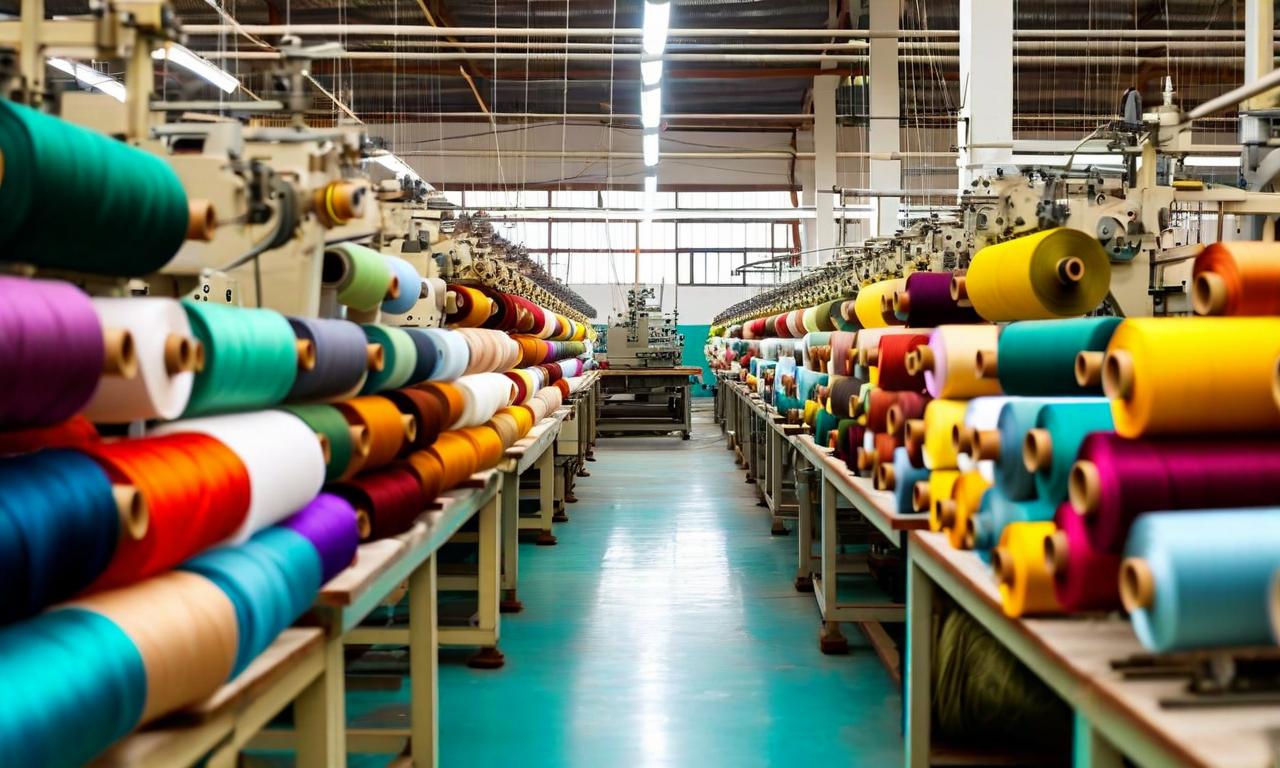

*this image is generated using AI for illustrative purposes only.
European apparel brands are increasingly re-evaluating their sourcing strategies, moving away from traditional reliance on Bangladesh toward India as an alternative manufacturing hub. This strategic shift is driven by the need for supply chain stability, regulatory comfort, and long-term scalability amid rising geopolitical risks and changing trade dynamics.
Major Brands Exploring Indian Market
European and UK apparel brands, including Marks & Spencer, Primark, Next, C&A, and Mothercare, have begun exploring India as a key sourcing destination. The move comes amid rising uncertainties in Bangladesh, where political instability and new tariffs are prompting global buyers to reconsider their supply chains.
| Export Destination | Share of India's Textile Exports (2024-25) |
|---|---|
| United States | 28.5% |
| European Union | 19.6% |
| United Kingdom | 5.4% |
| Total Export Value | $37 billion |
Bangladesh Faces Growing Challenges
Bangladesh's apparel sector is experiencing pressure due to uncertainties from proposed Free Trade Agreements with the UK and EU. After nearly 25 years of duty-free exports, Bangladesh could lose orders as some UK and EU brands explore Indian suppliers to reduce costs and mitigate trade risks. This puts established Bangladeshi manufacturers under potential market and demand pressure.
Industry experts note that "even if Bangladesh stabilises, buyers will not want to put all their eggs in one basket," highlighting the need for diversification in sourcing strategies.
India's Strategic Advantages Through FTAs
India is becoming more competitive due to ongoing India-UK and India-EU Free Trade Agreement talks, which aim to reduce tariffs on over 99 percent of India's exports to the UK and remove similar trade barriers with the EU. If ratified, these agreements could make Indian textiles and apparel significantly cheaper for European buyers.
According to Commerce Minister Piyush Goyal, negotiations with the EU are advancing positively, with a preliminary outline of the deal already prepared. The talks cover multiple areas including trade in goods and services, investment, intellectual property rights, and geographical indications.
| Trade Metrics (2024-25) | Value |
|---|---|
| India-EU Bilateral Trade | $136.53 billion |
| India's Exports to EU | $75.85 billion |
| Textile Export Potential | Significant growth expected |
Industry Response and Market Activity
European brands are increasingly conducting factory audits and evaluations in Indian textile hubs, particularly in Tiruppur, Tamil Nadu. These evaluations help brands identify reliable suppliers and assess quality standards. Established players such as Marks & Spencer and Primark are exploring ways to expand sourcing from India to reduce concentration risk and increase supply chain resilience.
Large exporters such as KPR Mill, Gokaldas Exports, Arvind Ltd, and Pearl Global are well-positioned due to their strong export presence in fabrics, yarn, and finished garments.
Implementation Challenges
Despite rising interest from European buyers, Indian garment manufacturers face execution-related challenges. Many exporters need to scale up capacity to consistently handle large, long-term European orders, which require high volumes, strict timelines, and uniform quality. Labour and compliance costs in India remain higher than in Bangladesh, putting pressure on margins, especially in price-sensitive apparel categories.
European brands are currently in an audit and evaluation phase, closely assessing factory consistency, scalability, and delivery reliability before committing significant volumes. Sourcing decisions remain measured and cautious, with buyers awaiting clearer visibility on FTA timelines and final duty structures.
Market Outlook
The gradual shift of European apparel brands towards India reflects a broader strategy of supply-chain diversification rather than an abrupt replacement of Bangladesh. The combination of a stable political environment, competitive pricing potential through FTAs, and a large skilled workforce makes India an attractive alternative for European brands. Companies well-positioned to meet international standards could see substantial growth, potentially transforming India into a major hub for global apparel exports.
 16
16