

Strait traffic drops to nine vessels as oil prices surge


Strait of Hormuz traffic fell to nine daily vessels as tensions escalated between the US and Iran. Brent crude rose to $91.63/bbl and US gas prices hit $4.0654/gallon. Iran’s security chief mocked US claims of ownership over the waterway while ceasefire talks stalled.


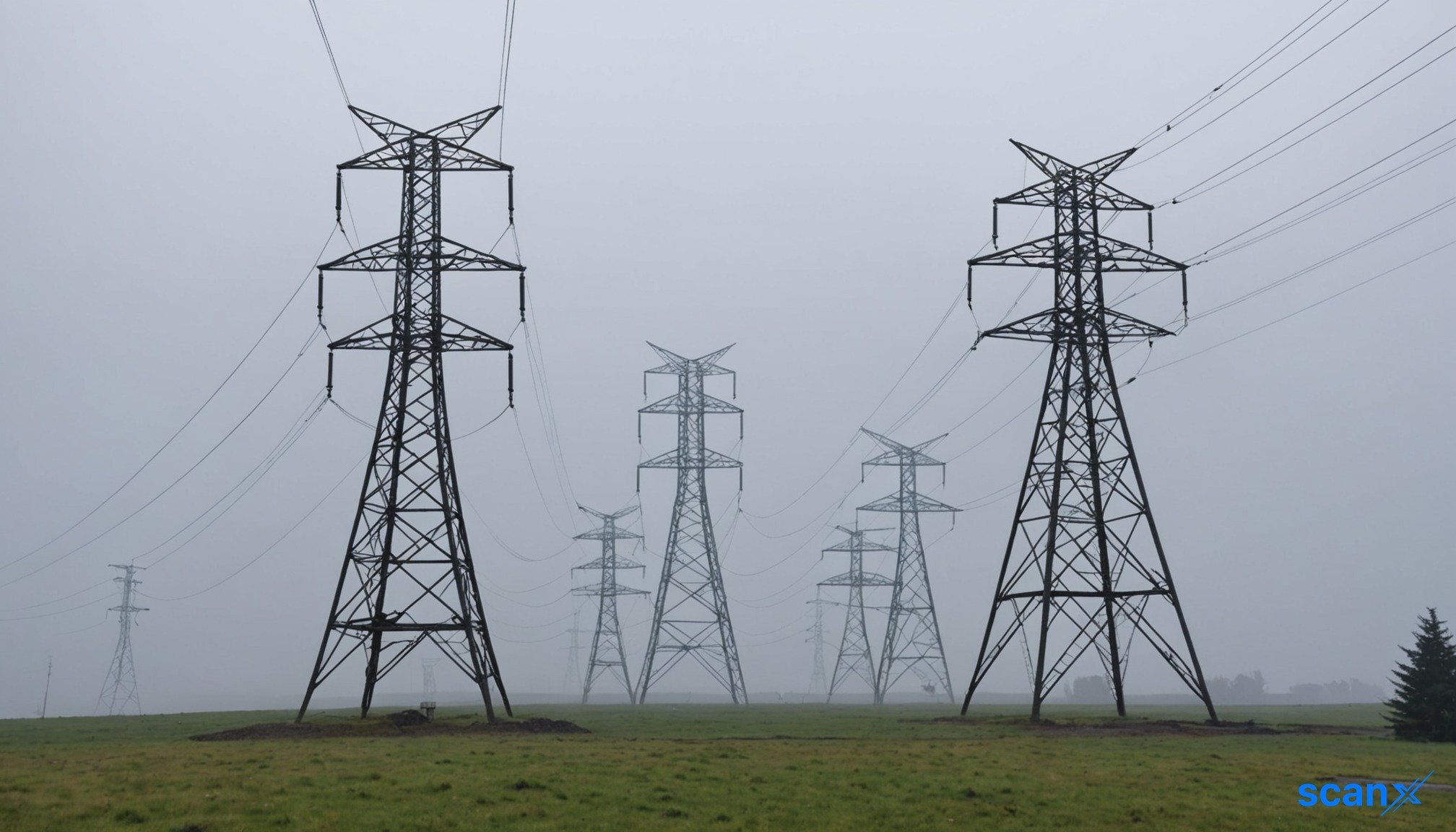
*this image is generated using AI for illustrative purposes only.
Shipping traffic through the Strait of Hormuz slowed further over the weekend, following tanker attacks and a lack of progress in US-Iran peace talks. Daily transits stood at nine vessels, down from an August average of 12 ships and far below the 130-plus ships that crossed daily before the US-Israel war on Iran began in February.
The United Kingdom Maritime Trade Operations Center (UKMTO) reported an incident on Tuesday when a vessel was struck by an unknown projectile in the waterway. The impact caused damage to the starboard side and resulted in a crew casualty, though there were no reports of environmental damage. Abu Dhabi National Oil Company previously reported that two of its vessels were attacked on Thursday, with the UAE government blaming Iran.
Diplomatic Stalemate
Negotiations to build upon a June agreement to end the conflict have stalled. President Donald Trump rejected an extension to the 60-day ceasefire following the Memorandum of Understanding signed by Washington and Tehran. Iranian Foreign Minister Seyed Abbas Araghchi blamed Israeli Prime Minister Benjamin Netanyahu for derailing the negotiations.
Iran’s Secretary of the Supreme National Security Council, Mohsen Rezaee, pushed back against Trump’s claim that the Strait of Hormuz was U.S. territory. In a post on X, Rezaee stated that "the gap between America’s inability to reopen the Strait of Hormuz and its claim to own it" was "greater than the 7,000-mile distance" between Washington DC and the waterway. He touted a "post-American order in the Persian Gulf."
Rezaee had earlier outlined conditions for reopening the strait, stating it would reopen only if the US ends the war and blockade, releases frozen assets, and agrees to a region-wide ceasefire. Rep. Don Bacon (R-NE) acknowledged that Trump could have handled the Iran war communication better, citing the impact on affordability in the US.
Market Impact
High energy costs continued to affect consumers. The national average price of gas surged to $4.0654/gallon, according to the American Automobile Association. Prices remained above $5/gallon on average in states like California, Washington and Hawaii.
On the oil front, prices surged amid escalating tensions. West Texas Intermediate crude stood at $85.58/bbl, while Brent crude surged past $90 to $91.63/bbl. US Energy Secretary Chris Wright stated that the Iran war was not the only factor driving high prices, blaming clean-energy policies implemented under former President Joe Biden.
What the Numbers Show
The contraction in commercial throughput relative to historical baselines is severe. The table below illustrates the scale of the decline in daily vessel transits through the strait.
| Metric: | Figures |
|---|---|
| Current daily transits: | 9 vessels |
| August average: | 12 ships |
| Pre-conflict daily baseline: | 130+ ships |
With daily traffic at nine vessels compared to a pre-conflict baseline of over 130, current flow represents less than 7% of normal capacity. This divergence highlights the operational impact of the blockade and security risks on global supply chains dependent on the strait.

How might the sustained reduction in Strait of Hormuz traffic accelerate the adoption of alternative energy sources or supply routes in the US and Europe?
What specific legislative measures could Congress propose to mitigate the domestic economic impact of high energy costs amid the stalled diplomatic negotiations?
If Iran's conditions for reopening the strait remain unmet, what is the projected timeline for global oil inventories to reach critical shortage levels?
 16
16





 Access 50+ Readymade Screeners
  Use 200+ Custom Filters
  Get Full Market Insights





