

Rare Earth Supply Chain Disruptions Reshape Global Manufacturing and Geopolitics


China's tightened export licensing for rare earth elements has caused significant global supply chain disruptions. China dominates the market with 70% of global mining, 85-90% of refining, and over 90% of permanent magnet production. The restrictions have impacted industries worldwide, with the rare earth market valued at $12-15 billion underpinning $7 trillion worth of industries. In response, countries are developing alternative processing capabilities, with the EU aiming to process 40% of its rare earth needs domestically. India, despite holding 6% of global reserves, imports nearly 100% of its rare earth magnets and has approved a ₹7,280 crore scheme to establish domestic manufacturing capacity.

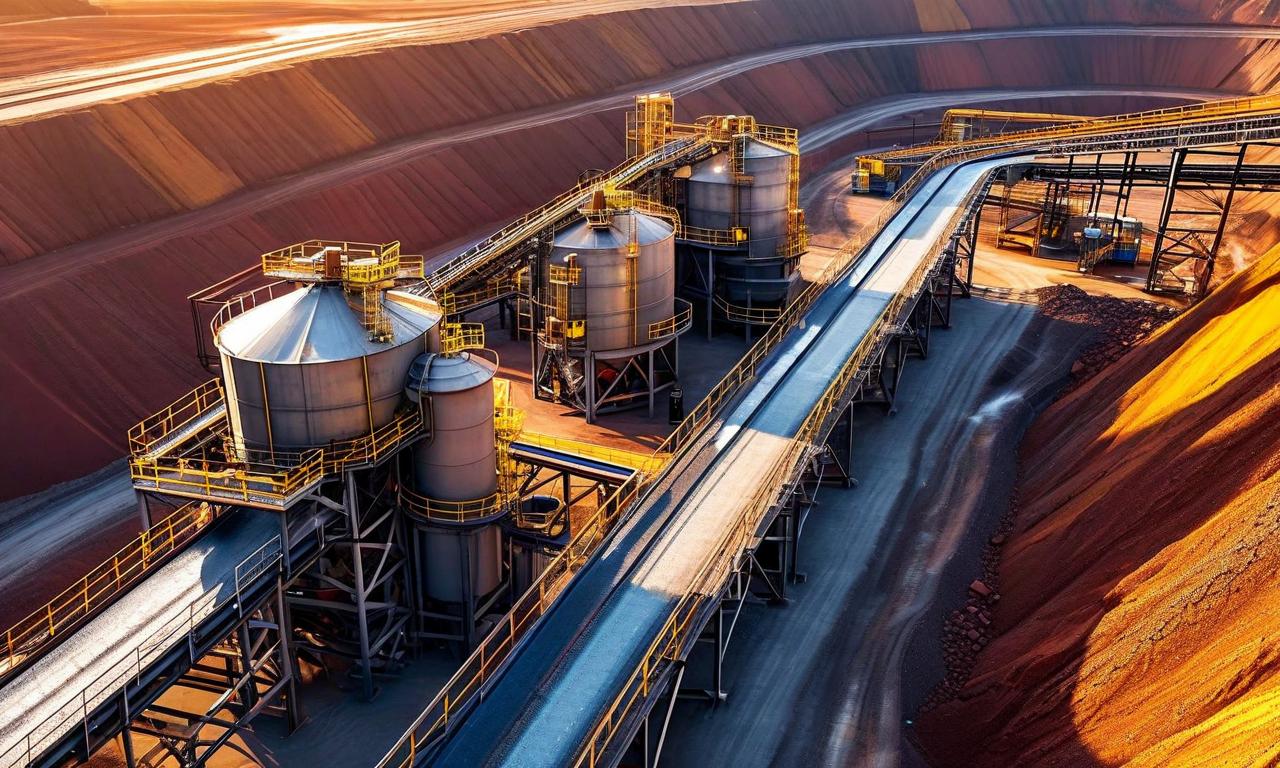

*this image is generated using AI for illustrative purposes only.
China's decision to tighten export licensing norms for rare earth elements marked a pivotal moment in global supply chain dynamics, with consequences that reverberated across industries worldwide. The restrictions, which expanded to include rare earth magnets and processing technologies, highlighted the strategic importance of these critical materials in modern manufacturing and energy systems.
Supply Chain Vulnerabilities Exposed
The disruptions revealed the extent of global dependency on Chinese rare earth processing capabilities. While global rare earth production reached approximately 196,000 tonnes with a market value of $12.00-15.00 billion, these materials underpin industries worth an estimated $7.00 trillion worldwide. China's market position proved particularly influential across the entire value chain:
| Supply Chain Segment | China's Market Share |
|---|---|
| Global Mining | 70.00% |
| Refining and Processing | 85.00-90.00% |
| Permanent Magnet Production | Over 90.00% |
The strategic importance of rare earths stems from their irreplaceability in critical applications. Electric vehicles require one to two kilograms of rare earth magnets per unit, while offshore wind turbines consume between 600 and 2,000 kilograms each. Advanced military systems demonstrate even higher dependency, with a single fighter jet utilizing more than 400 kilograms across various systems and sensors.
Manufacturing Impact and Market Response
The export restrictions created immediate challenges for manufacturers globally. Maruti Suzuki exemplified the automotive sector's response by reducing its electric vehicle production target to approximately 8,000 units from an earlier plan of 26,000 units. Defense manufacturing sectors also experienced significant pressure, prompting NATO countries to formally classify rare earths as strategic minerals and initiate stockpiling programs.
Price volatility intensified throughout the crisis period, with yttrium prices experiencing dramatic increases of more than 4,000.00% during peak supply stress periods. This volatility reflected both genuine scarcity concerns and speculative market pressures across rare earth commodity markets.
Global Strategic Response
The supply chain disruptions triggered coordinated international efforts to develop alternative processing capabilities. The United States and allied nations committed billions of dollars toward establishing non-China refining capacity. The European Union implemented its Critical Raw Materials Act with a specific target to process 40.00% of rare earth requirements domestically.
| Initiative | Target/Commitment |
|---|---|
| EU Domestic Processing Target | 40.00% of rare earth needs |
| Global Non-China Resources Identified | 300+ million tonnes |
| Development Projects Underway | 146 extraction and processing projects |
Japan focused on securing long-term supply contracts while accelerating recycling initiatives to reduce dependency on primary sources.
India's Strategic Response
India's position highlighted particular vulnerabilities in the global rare earth landscape. Despite holding approximately 6.00% of global rare earth reserves, the country imports nearly 100.00% of its rare earth magnets, creating direct risks to manufacturing ambitions central to the Viksit Bharat vision.
The government responded with approval of a comprehensive ₹7,280.00 crore incentive scheme designed to establish domestic magnet manufacturing capacity of around 6,000 tonnes per year. This initiative serves dual objectives of reducing strategic vulnerability while positioning India as an alternative supplier in global markets.
Future Market Projections
Global demand projections indicate substantial growth ahead, with requirements expected to rise by nearly 700.00% by 2040. This growth trajectory is driven by energy transition requirements, expanding semiconductor manufacturing, and increasing defense and space sector demands. The combination of supply chain vulnerabilities and growing demand has elevated rare earth minerals from commodity status to strategic assets, fundamentally reshaping their role in international relations and economic planning.
China's tightened export controls on rare earth elements disrupted global supply chains, triggering a worldwide scramble for alternatives. India's approval of the ₹7,280.00 crore scheme to build domestic magnet manufacturing capacity amid strategic vulnerability concerns underscores the growing importance of rare earths in shaping global geopolitics and economic strategies.
 18
18




 Access Market Heat-map & Insights
  Create, Save & Share your Screener
  Use 200+ Screening Filters





