Natural Gas Prices Surge 70% as Winter Freeze Catches Traders Off Guard


Natural gas futures surged 70% in the US during one week of severe winter weather, marking the most dramatic weekly increase on record. European markets had already risen 30% the previous week due to cold weather and geopolitical tensions. The price spike caught traders off guard who had bet on falling prices after months of mild conditions, highlighting America's critical role as the leading gas exporter and the global implications of US market volatility.
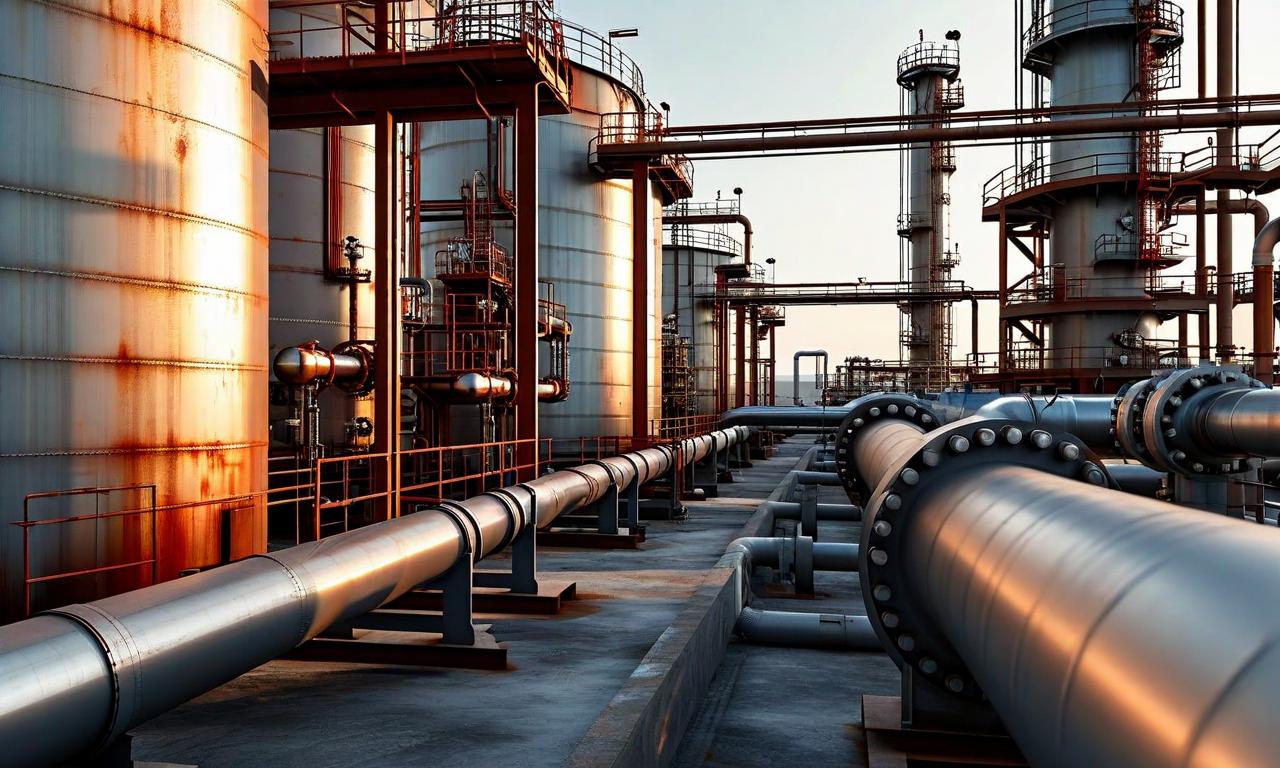

*this image is generated using AI for illustrative purposes only.
Natural gas markets experienced unprecedented volatility as brutal winter weather caught traders on both sides of the Atlantic completely off guard, triggering the most dramatic price surge on record and sending shockwaves through global energy markets.
Record-Breaking Price Surge
The natural gas futures market witnessed extraordinary movements as forecasts for severe cold weather materialized into reality. The price action caught many market participants who had positioned themselves for continued mild weather based on months of temperate conditions.
| Market | Price Increase | Timeframe |
|---|---|---|
| US Natural Gas Futures | 70% | One week |
| European Natural Gas | 30% | Previous week |
The surge represents the most abrupt weekly increase on record in the US market, fundamentally reshaping trader expectations and market dynamics. European markets had already experienced significant volatility the previous week, where cold weather combined with geopolitical tensions to drive substantial price increases.
Trader Positioning and Market Dynamics
The severity of the price movement reflects how dramatically wrong many market participants were in their positioning. Months of mild weather had created a false sense of security among traders, leading many to bet on falling prices rather than preparing for potential winter volatility.
"Everyone's in panic mode right now," said Paul Phillips, senior strategist for Uplift Energy Strategy, a Denver, Colorado-based gas trading firm. "People were writing off winter last week."
The situation has become so critical that some trading teams are taking extraordinary measures to maintain market access. One Houston-based team planned to spend the weekend at a downtown hotel to ensure backup power generation and stable internet connectivity to the Intercontinental Exchange trading platform, preparing for potential regional blackouts.
Supply Risk and Infrastructure Concerns
The crisis extends beyond mere price volatility to fundamental supply security concerns. Temperatures in gas-producing regions of the US could drop sufficiently low to freeze pipelines, potentially disrupting supplies precisely when demand reaches peak levels for heating and power generation.
This supply risk comes at the worst possible time, as soaring demand for natural gas to fuel home furnaces and power plants coincides with the potential for production and transportation disruptions. The combination creates a perfect storm scenario that could extend the current price surge.
Global Market Integration
The price spike demonstrates how deeply integrated the US has become in the global natural gas market. America's emergence as the leading gas exporter means that domestic price volatility now carries international implications, affecting energy security and pricing worldwide.
The global impact is already becoming apparent:
- Many smaller Asian buyers may no longer afford current LNG prices
- Liquefied natural gas tankers are likely redirecting from Asia to European markets
- International energy security is increasingly dependent on US supply stability
This integration means that weather events and market disruptions in Texas and other US gas-producing states now influence energy markets from Europe to Asia, making domestic American weather patterns a global economic factor.
Historical Stock Returns for Oil & Natural Gas Corporation
| 1 Day | 5 Days | 1 Month | 6 Months | 1 Year | 5 Years |
|---|---|---|---|---|---|
| +0.60% | -1.11% | +4.82% | -0.38% | -7.04% | +164.66% |
 18
18