

Nasdaq jumps 300 points as weak jobs data lowers Fed hike odds


- Nasdaq Composite gained over 300 points, closing up 1.19% at 27,190.86
- Nonfarm payrolls rose 29,000 versus 84,000-90,000 expected; unemployment hit 4.2%
- Odds of a Fed rate hike in October fell to 17% following the data release
- Fear & Greed Index improved to 31 but remained in the 'Fear' zone
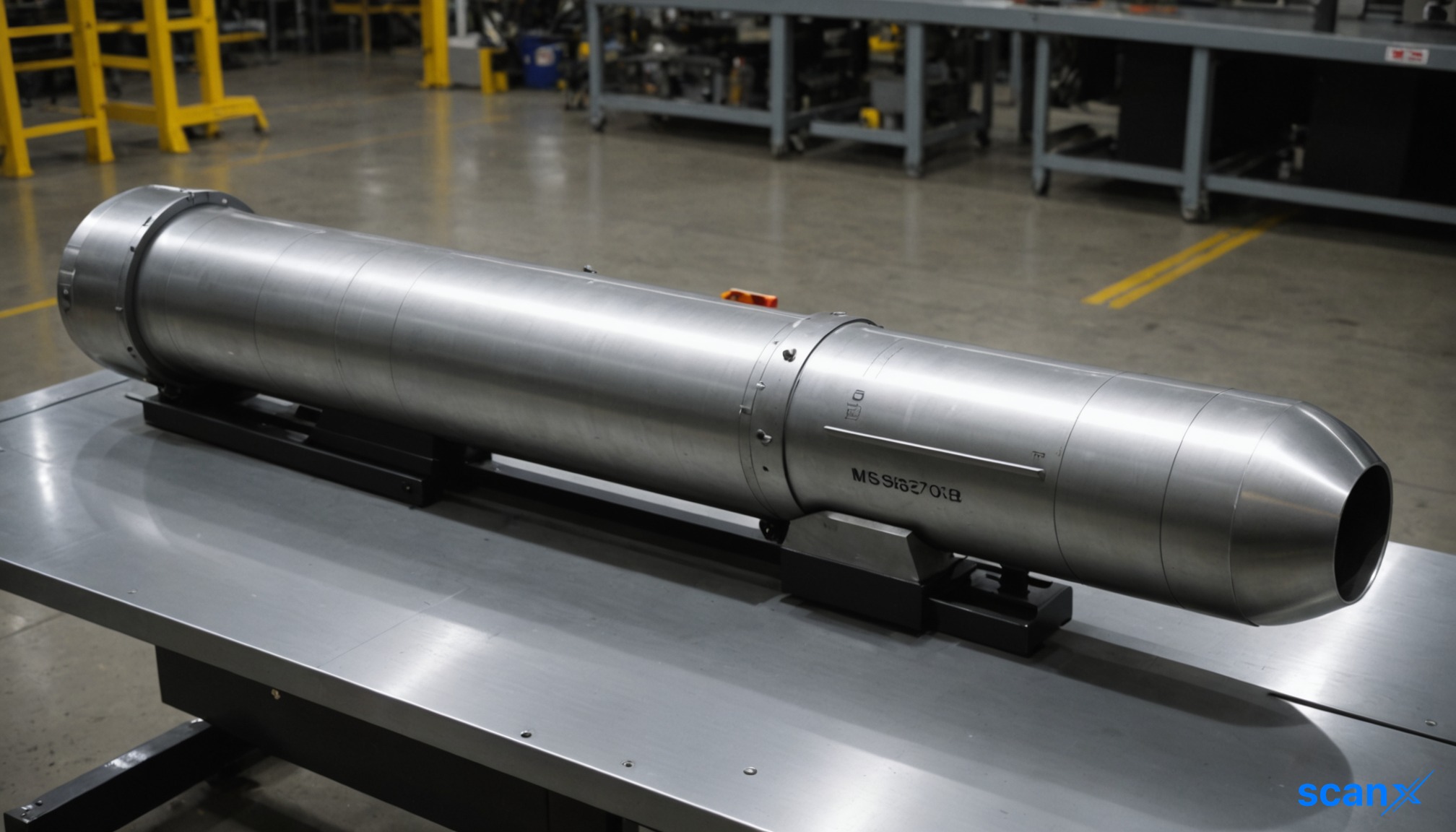
- Western Digital fell sharply after Toshiba announced plans to double HDD capacity



*this image is generated using AI for illustrative purposes only.
The Nasdaq Composite gained more than 300 points on Friday as weaker-than-expected U.S. jobs data reduced the likelihood of a Federal Reserve rate hike. The index closed at 27,190.86, up 1.19% for the session.
Nonfarm payrolls rose by just 29,000, significantly below the expected range of 84,000-90,000. The unemployment rate ticked up to 4.2% from 4.1%. This data eased tension between a softening labor market and restrictive monetary policy, with odds of an October hike falling to 17%.
Market performance and sector trends
Despite Friday's rally, weekly performance remained mixed across major indices. The Dow Jones Industrial Average fell around 1.3% last week, while the S&P 500 slipped 0.3%. In contrast, the Nasdaq secured a weekly gain of 0.6%.
On Friday, most S&P 500 sectors closed higher. Consumer discretionary, information technology, and materials stocks recorded the biggest gains. Health care stocks bucked the trend, closing lower.
| Index | Friday Close | Daily Change | Weekly Change |
|---|---|---|---|
| Dow Jones Industrial Average | 51,176.96 | +250 points | -1.3% |
| S&P 500 | 7,722.72 | +0.73% | -0.3% |
| Nasdaq Composite | 27,190.86 | +1.19% | +0.6% |
Corporate movers
Western Digital Corp. (NASDAQ: WDC) was the worst performer in the Russell 1000 after Toshiba announced plans to double its hard disk drive production capacity. Seagate Technology Inc. (NASDAQ: STX) also fell sharply in response to the news.
Sentiment indicators
The CNN Business Fear & Greed Index remained in the "Fear" zone with a reading of 31, improving slightly from a prior reading of 29. The index ranges from 0 (maximum fear) to 100 (maximum greed) and is calculated based on seven equal-weighted indicators.
Geopolitical tensions persisted as President Donald Trump deployed 9,000 additional troops to the Middle East and warned of possible strikes against Iran.

How might the significant miss in nonfarm payrolls influence the Federal Reserve's forward guidance and dot plot projections for the remainder of the year?
What are the potential supply chain and pricing implications for the storage industry as Toshiba moves to double its HDD production capacity?
Could the divergence between Nasdaq gains and Dow Jones losses signal a sustained rotation away from value stocks toward growth-oriented tech sectors?
 19
19





 Create Custom Screeners
  Access 200+ Pre-built Filters
  Use 50+ Readymade Screener





