

JD Vance urges US to build more power for AI growth


- JD Vance dismisses AI regulation calls as fearmongering at the All-In Summit
- He cites China generating 3x more electricity than the US since 2005
- Vance urges building more power infrastructure to support data centers
- He warns companies creating advanced AI should not seek government governance

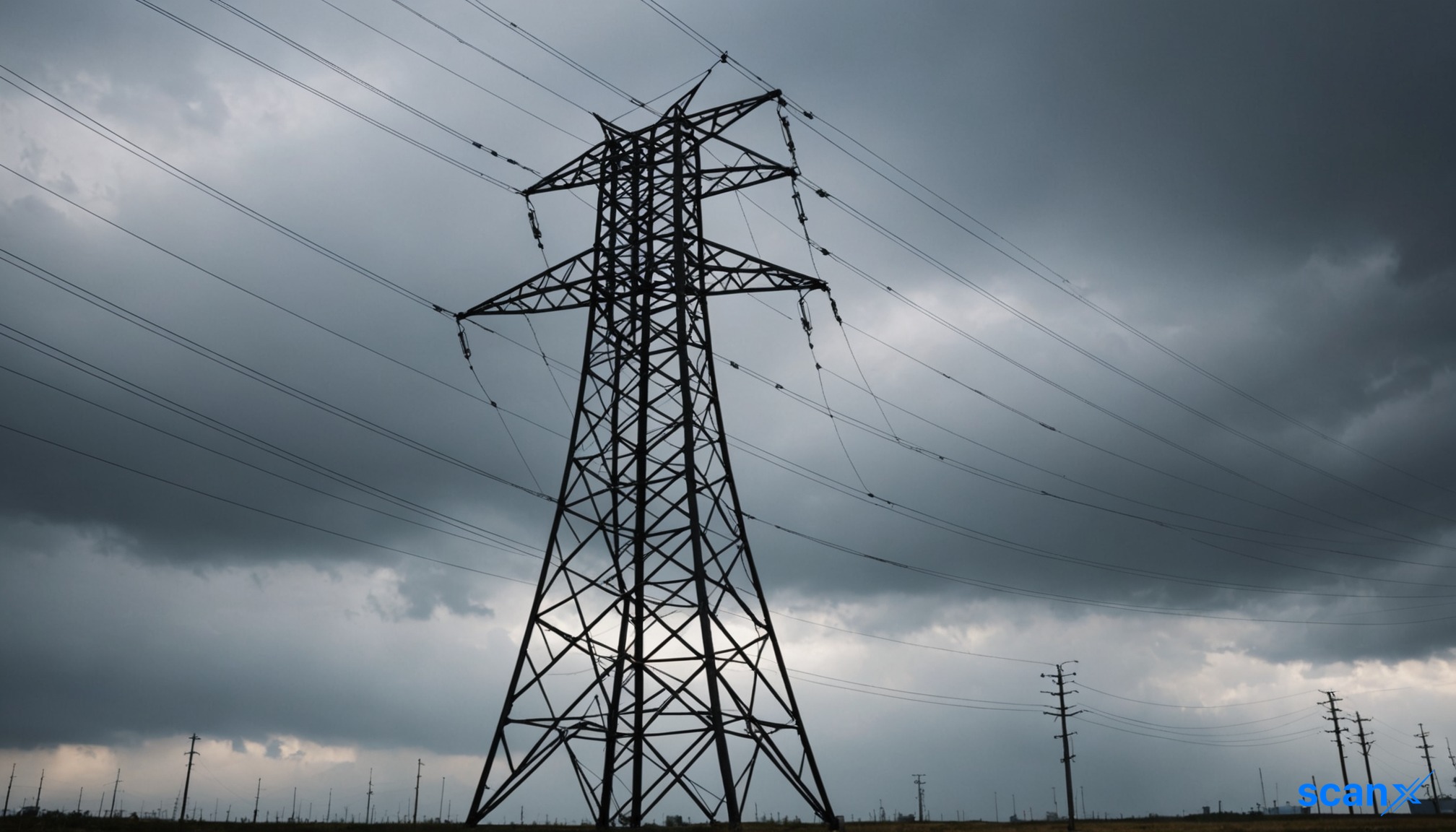

*this image is generated using AI for illustrative purposes only.
Vice President JD Vance argued against slowing artificial intelligence progress, stating that the United States must increase electricity generation to support data centers. Speaking at the All-In Summit, he dismissed calls for regulation as fearmongering.
Power Generation Context
Vance highlighted historical energy data to underscore the urgency of infrastructure development. He noted that in 2005, China surpassed the United States in power generation. Since that year, China has generated 3x as much electricity, while US output has flatlined.
"We just have to build more," Vance said. He advocated for a vision of electricity that is "too cheap to meter."
Regulation Stance
Addressing governance, Vance criticized companies developing advanced AI systems for seeking regulatory frameworks. "If you’re building Frankenstein, stop," he said. He argued that if technology is already deployed, the focus should be on building defenses rather than government oversight.
Vance linked this approach to President Donald Trump’s willingness to take risks to reverse America’s long-term decline.

What specific policy mechanisms might the administration pursue to accelerate domestic electricity infrastructure development without triggering prolonged environmental litigation?
How could the dismissal of pre-deployment AI regulations impact international diplomatic relations with allies advocating for stricter global AI safety standards?
In what ways might the push for 'too cheap to meter' electricity influence investment strategies for renewable energy versus nuclear and fossil fuel sectors?
 18
18





 Access 50+ Readymade Screeners
  Use 200+ Custom Filters
  Get Full Market Insights





