Iran Permits Non-Combatant Vessel Passage Through Hormuz Strait With Military Approval

0 min read     Updated on 16 Mar 2026, 03:29 PM
scanx
Reviewed by
Shriram SScanX News Team
Overview

Iran's Baghaei has stated that non-combatant parties have been granted permission for vessel passage through the Hormuz Strait, provided they receive approval from Iran's military authorities. This announcement highlights Iran's regulatory oversight of the strategic maritime corridor.

35200755

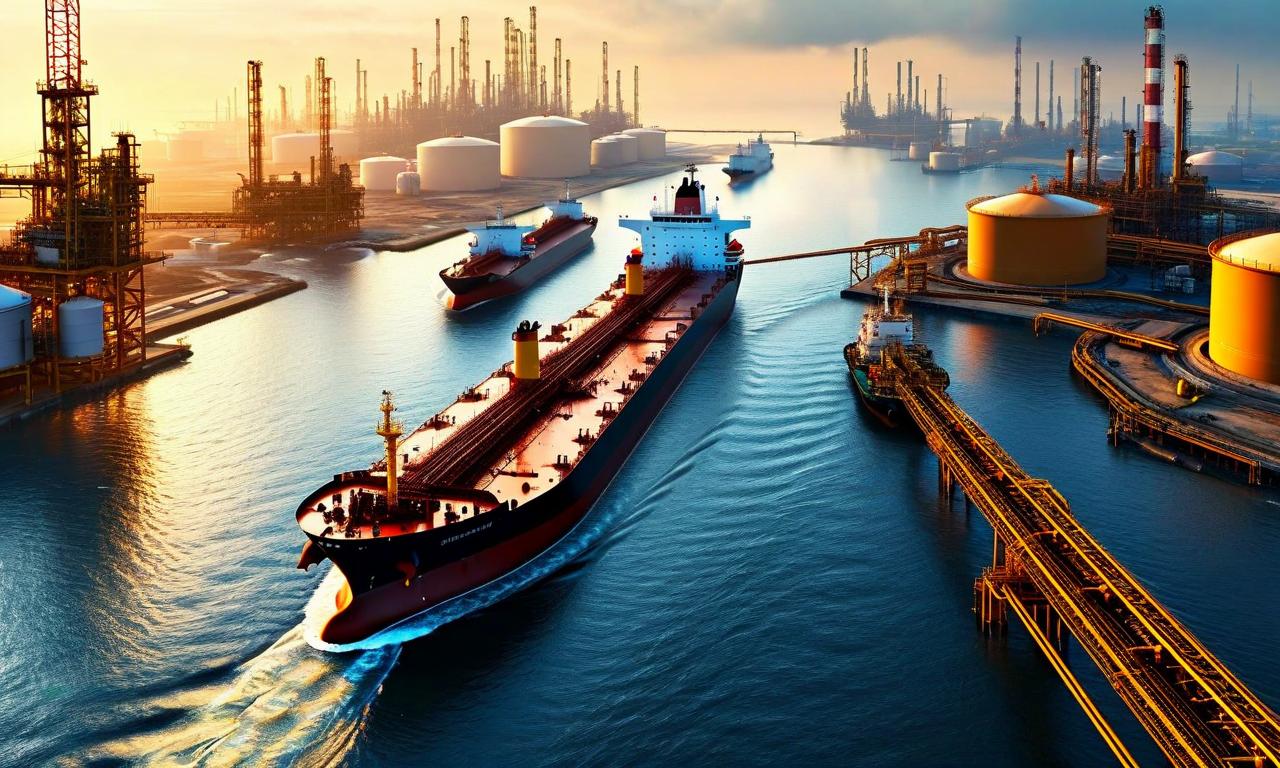
*this image is generated using AI for illustrative purposes only.

Iran's Baghaei has announced that non-combatant parties have been permitted to navigate vessels through the Hormuz Strait, subject to approval from Iran's military authorities.

Strategic Maritime Corridor

The Hormuz Strait represents one of the world's most strategically important maritime passages, serving as a critical route for international shipping and energy transportation. The announcement by Baghaei indicates Iran's continued oversight of vessel movements through this vital waterway.

Military Approval Process

According to the statement, non-combatant parties seeking passage through the strait must obtain approval from Iran's military before proceeding. This requirement underscores Iran's regulatory approach to managing maritime traffic in the region.

Non-Combatant Classification

The specific reference to "non-combatant parties" suggests a distinction in Iran's approach to different types of vessels and entities seeking passage through the strait. The classification appears to be a key factor in determining eligibility for transit approval.

like17
dislike

Trump Urges International Cooperation to Protect Strait of Hormuz

1 min read     Updated on 16 Mar 2026, 05:43 AM
scanx
Reviewed by
Shraddha JScanX News Team
Overview

President Trump has expanded his diplomatic approach by urging other countries to assist in protecting the Strait of Hormuz, moving beyond previous China-specific expectations to seek broader international cooperation. The initiative highlights the strategic importance of this maritime corridor, which serves as a critical chokepoint for global oil shipments, with countries like China depending on it for 90% of their oil imports.

35162552

*this image is generated using AI for illustrative purposes only.

President Trump has called upon other countries to help protect the Strait of Hormuz, expanding his diplomatic outreach beyond previous China-focused expectations. The appeal underscores the critical importance of this maritime corridor for global energy security and international trade.

Strategic Maritime Security Initiative

Trump's call for international assistance represents a broader approach to securing one of the world's most vital shipping lanes. The following table outlines the key aspects of this initiative:

Parameter: Details
Action Required: Help protect Strait of Hormuz
Scope: International cooperation
Strategic Focus: Maritime corridor security
Leadership: U.S. diplomatic initiative

The Strait of Hormuz serves as a critical chokepoint for global oil shipments, making international cooperation essential for maintaining energy security and economic stability.

Global Energy Security Implications

The strategic importance of the Strait of Hormuz extends far beyond regional concerns, with major economies heavily dependent on this maritime route. China's reliance on the strait for 90.00% of its oil imports exemplifies the global stakes involved in maintaining secure passage through these waters.

International Diplomatic Engagement

Trump's appeal for multilateral support reflects the complex nature of maritime security challenges that require coordinated international responses. The call for assistance suggests recognition that protecting such critical infrastructure demands shared responsibility among nations with vested interests in maintaining open sea lanes.

like16
dislike