

Iran oil minister resigns amid $2 billion revenue allegations


- Oil Minister Mohsen Paknejad resigned amid a parliamentary inquiry into $2 billion in unpaid oil revenues owed to NIOC.
- The Iranian rial fell more than 10% in the past month and over 50% in the past year, hitting 1,741,320 per USD.
- Iran's economy contracted 10% in Q1 while inflation reached 85%, prompting a $2 billion central bank intervention pledge.
- Treasury Secretary Scott Bessent reported zero crude oil loaded onto Iranian tankers last month due to sanctions.

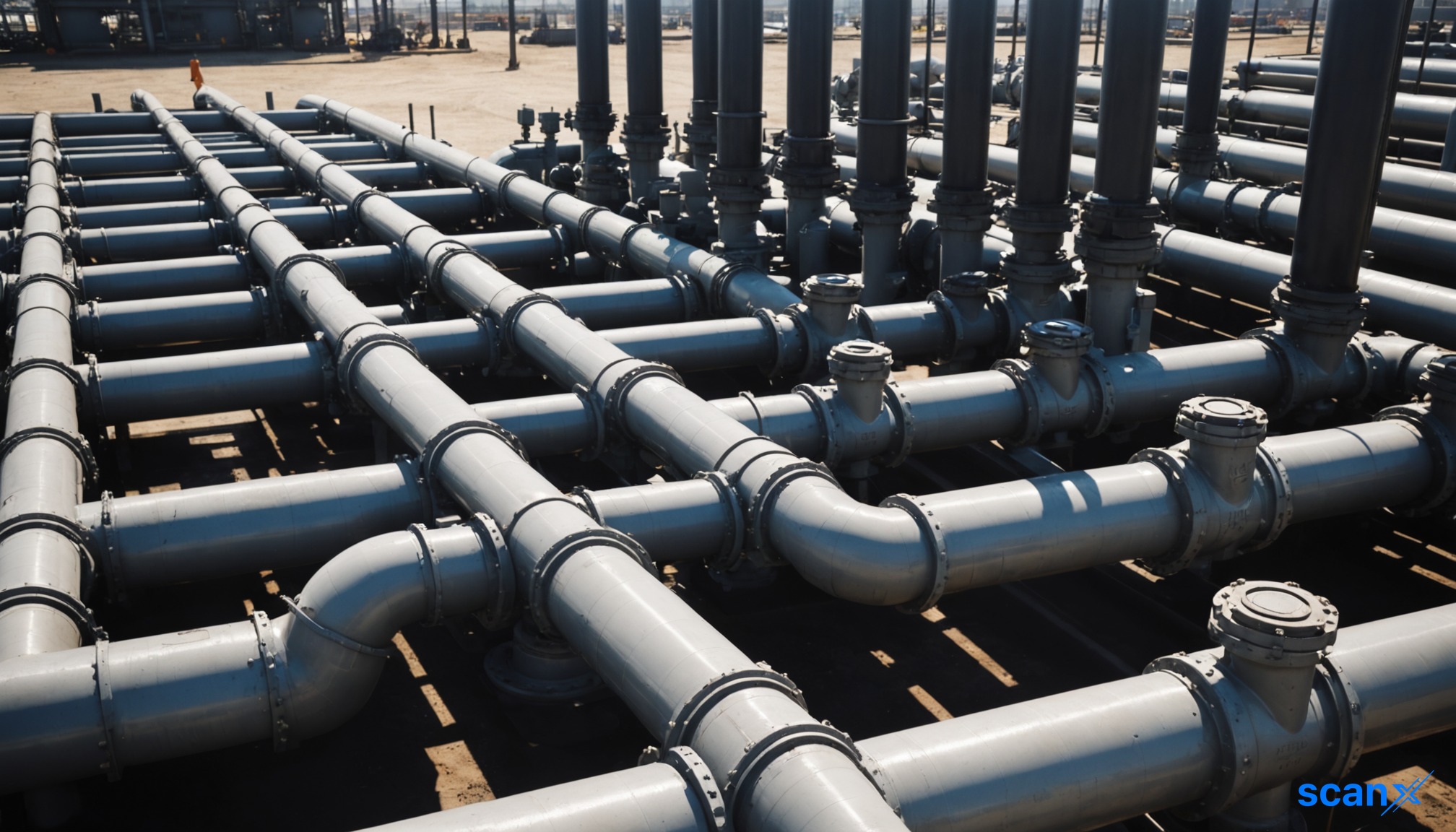

*this image is generated using AI for illustrative purposes only.
Iranian President Masoud Pezeshkian accepted the resignation of Oil Minister Mohsen Paknejad on Monday, citing personal reasons. The departure coincides with a parliamentary inquiry into nearly $2 billion in unpaid oil revenues owed to the National Iranian Oil Company (NIOC).
Rial collapse and economic contraction
The political shift occurs as Iran’s currency faces severe depreciation. The rial has fallen more than 10% in the past month and over 50% in the past year. At the time of reporting, one US dollar was worth approximately 1,741,320 Iranian rials.
Macroeconomic indicators show deepening distress. Iran’s economy contracted 10% in the first three months of the year, while inflation climbed to 85%. The central bank has reportedly pledged up to $2 billion to support the currency against sanctions and a US naval blockade affecting oil exports.
| Metric | Value | Context |
|---|---|---|
| Rial Exchange Rate | 1,741,320 per USD | Record low |
| Monthly Rial Decline | >10% | Past month |
| Annual Rial Decline | >50% | Past year |
| GDP Contraction | 10% | Q1 |
| Inflation Rate | 85% | Current |
Allegations of unpaid oil proceeds
A report by Farhikhtegan alleged that an intermediary trust used to recover proceeds from overseas Iranian oil sales owed nearly $2 billion to NIOC. Three individual trustees involved in oil contracts reportedly owed hundreds of millions of dollars each.
Iran’s parliament has launched an inquiry into these claims. Some reports suggest the allegations may reflect internal power struggles within the country’s oil industry rather than solely financial mismanagement.
US pressure campaign yields results
Treasury Secretary Scott Bessent stated that "Operation Economic Outcast" is producing results. He pointed to the rial’s record lows and confirmed that Iran loaded zero crude oil onto tankers last month.
Bessent emphasized that the pressure campaign "will not stop" until Iran ceases financing terrorism and nuclear development. National security adviser Mohsen Rezaei warned during a government meeting on October 3 that the economy is facing one of its "most challenging periods."
What the numbers show
The simultaneous disclosure of a $2 billion revenue shortfall at NIOC and a $2 billion central bank intervention pledge highlights a critical liquidity mismatch. The state-owned oil company’s inability to recover overseas proceeds coincides exactly with the central bank’s commitment to defend the rial, suggesting that foreign exchange reserves are being depleted to offset lost oil revenue streams rather than for broader economic stimulus.

How might the appointment of a new Oil Minister influence Iran's strategy for recovering the $2 billion in unpaid revenues from overseas intermediaries?
What specific policy adjustments or capital controls might the Central Bank of Iran implement if the $2 billion intervention fails to stabilize the rial?
Could the parliamentary inquiry into NIOC's unpaid proceeds trigger broader leadership changes within Iran's energy sector amid internal power struggles?
 19
19



 Access Market Heat-map & Insights
  Create, Save & Share your Screener
  Use 200+ Screening Filters





