

Hezbollah Approves US Truce Proposal as Lebanon Confirms Diplomatic Breakthrough


Lebanon's Presidential Office has confirmed that Lebanese authorities obtained Hezbollah's approval to the American proposal for a reciprocal truce, per Kan News Reporter, marking a major diplomatic milestone. The development follows Trump's announcement of a 'very favorable discussion' with Hezbollah and Hezbollah lawmaker Hassan Fadlallah's statement linking a full ceasefire to Israeli troop withdrawal from Lebanese territory. The breakthrough comes after Hezbollah launched more than 1,000 drones and 700+ rockets since April 17 in what US officials described as an effort to sabotage Lebanon-Israel negotiations.

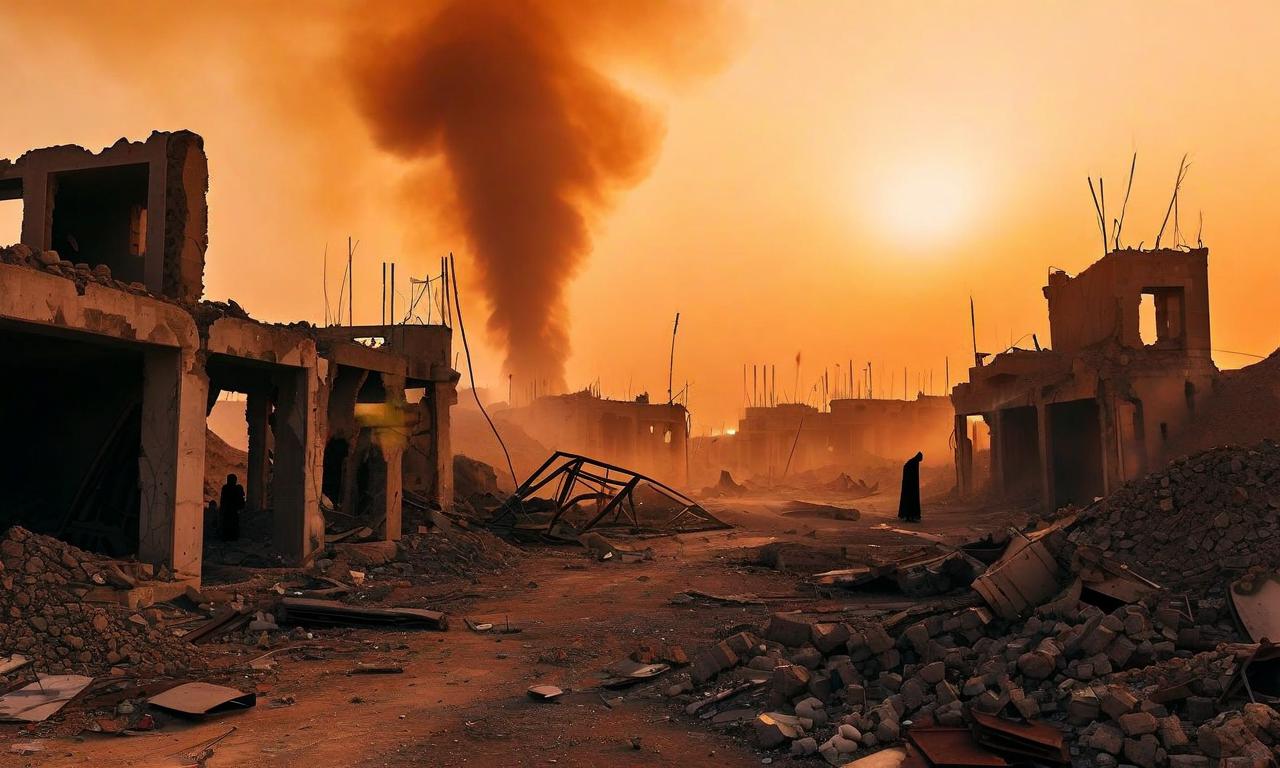

*this image is generated using AI for illustrative purposes only.
A major diplomatic breakthrough has emerged in the Lebanon-Israel conflict as the Office of the President of Lebanon announced that Lebanese authorities have obtained Hezbollah's approval to the American proposal for a reciprocal truce, according to Kan News Reporter. This confirmation from Lebanon's Presidential Office marks a decisive step forward in the US-led effort to establish a comprehensive ceasefire, following weeks of intense military escalation and diplomatic maneuvering. The development builds on earlier signals from both Washington and Hezbollah that a negotiated halt to hostilities was within reach.
Lebanon's Presidential Office Confirms Hezbollah's Approval
The Office of the President of Lebanon has formally announced that Lebanese authorities secured Hezbollah's consent to the American proposal for a reciprocal truce, as reported by Kan News Reporter. This official confirmation elevates the ceasefire effort from informal discussions to a formally acknowledged political commitment. The announcement represents a significant shift in the diplomatic landscape, as Hezbollah's approval had been a critical missing piece in the broader framework being assembled by US envoys.
Prior Diplomatic Groundwork
The confirmation follows a series of earlier developments that laid the groundwork for this outcome. US President Trump had previously announced that through senior envoys, he had a "very favorable discussion" with Hezbollah, with the group indicating that all hostilities would cease. Hezbollah lawmaker Hassan Fadlallah had also publicly stated that a full ceasefire would serve as a precursor to Israeli troop withdrawal from all Lebanese territory, introducing a formal political condition into the ceasefire framework. The US had simultaneously been pressing for a genuine and sweeping truce, as reported by Al Hadath citing an Israeli authority.
Escalation That Preceded the Breakthrough
The diplomatic progress comes against the backdrop of significant military escalation. The following table outlines the scale of Hezbollah's reported attacks that preceded these developments:
| Parameter: | Details |
|---|---|
| Drones Launched: | More than 1,000 |
| Rockets Fired: | 700+ |
| Start Date: | April 17 |
| Stated Purpose: | Sabotage Lebanon-Israel negotiations |
US officials had characterized Hezbollah's sustained barrage as a calculated effort to derail ceasefire discussions, asserting that the group feared a successful peace deal would undermine its political standing in the region. Israeli PM Benjamin Netanyahu had responded by pledging to intensify strikes against Hezbollah, with the Trump administration signaling support for Israeli defensive and retaliatory measures.
Key Developments at a Glance
- Lebanon's Presidential Office confirms Lebanese authorities obtained Hezbollah's approval to the American proposal for a reciprocal truce, per Kan News Reporter
- Trump had announced a "very favorable discussion" with Hezbollah through senior envoys, with the group consenting that all hostilities will cease
- Hezbollah lawmaker Hassan Fadlallah stated a full ceasefire would be a precursor to Israeli troop withdrawal from all Lebanese territory
- The US pressed for a genuine and sweeping truce, per Al Hadath citing an Israeli authority
- Prior to diplomatic progress, Hezbollah had launched more than 1,000 drones since April 17 and fired over 700 rockets
- US officials described the attacks as aimed at sabotaging Lebanon-Israel negotiations
- Israeli PM Netanyahu had previously pledged to intensify strikes against Hezbollah
With Lebanon's Presidential Office now confirming Hezbollah's formal approval of the American reciprocal truce proposal, the ceasefire framework has moved into a new and more concrete phase, though the layered conditions—including Hezbollah's linkage of a full truce to Israeli troop withdrawal—continue to define the complexity of the broader diplomatic process.

How will Israel respond to Hezbollah's demand for a full troop withdrawal as a condition for the ceasefire?
What specific mechanisms will be put in place to monitor and enforce compliance with the reciprocal truce?
Could this diplomatic breakthrough influence broader regional negotiations involving other US allies in the Middle East?
 17
17






 Access Market Heat-map & Insights
  Create, Save & Share your Screener
  Use 200+ Screening Filters





