

Hegseth taps Musk, Luckey for Pentagon Project Meridian on future warfare


- Defense Secretary Pete Hegseth launched Project Meridian, enlisting Elon Musk, Palmer Luckey, and Newt Gingrich to forecast future warfare technologies.
- The Pentagon proposed a record $74 billion budget for drone and counter-drone technology, aiming to triple spending on autonomous warfare.
- A new four-star command, Autowarcom, is planned to become operational by October 2027 to oversee autonomous systems.
- Defense stocks like Ondas Inc. and AeroVironment saw modest gains in after-hours trading following the announcement.

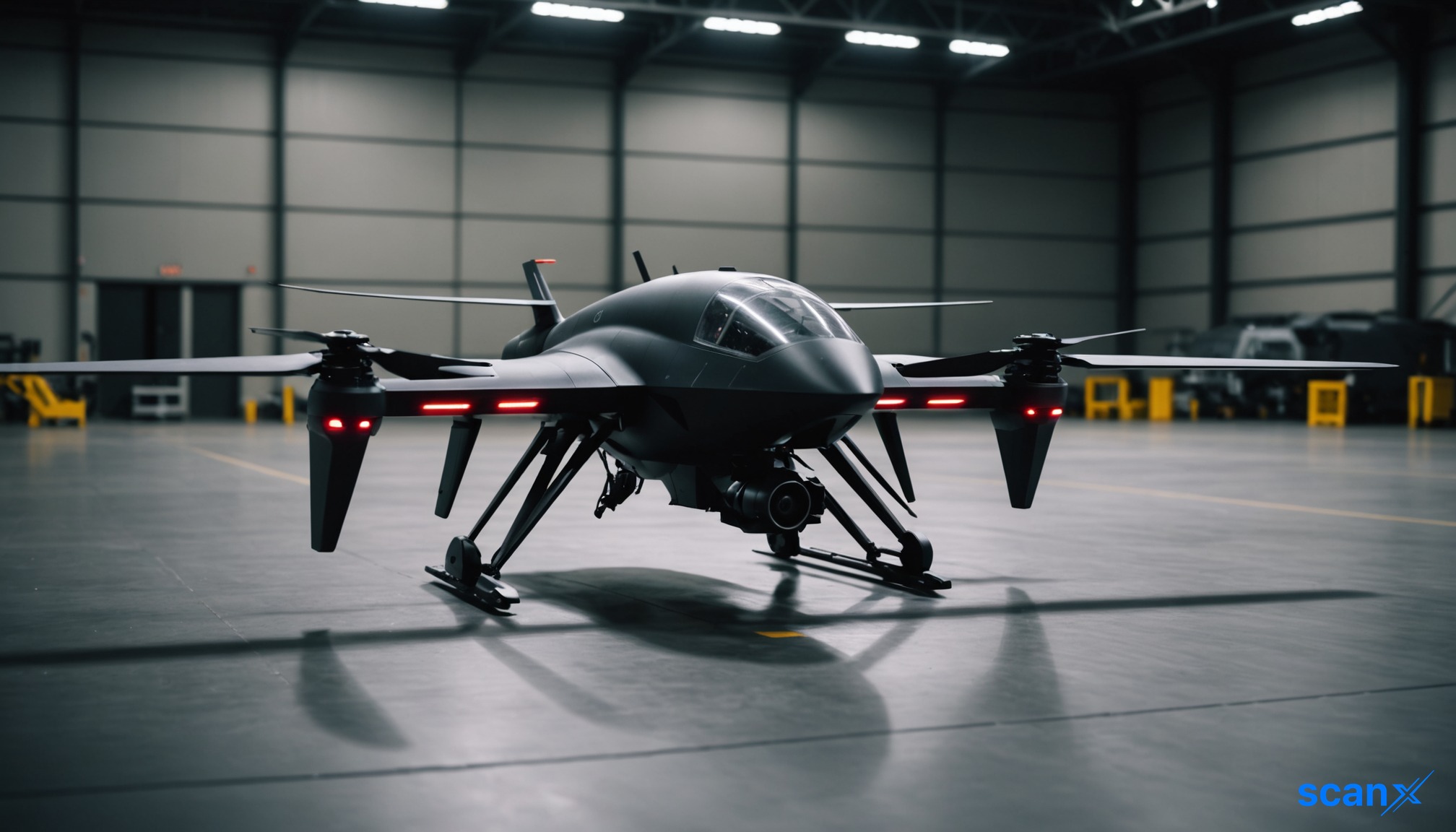

*this image is generated using AI for illustrative purposes only.
Defense Secretary Pete Hegseth has enlisted Elon Musk, Palmer Luckey, and Newt Gingrich to help the Pentagon anticipate how artificial intelligence and robotics could reshape future warfare. This initiative, dubbed "Project Meridian," marks a strategic shift in how the department manages emerging defense technologies.
The announcement highlights the administration's focus on modernizing defense technology by looking decades ahead rather than developing immediate military policies. Hegseth stated that the best forecasters of future conflict do not solely reside inside the Pentagon.
Project Meridian structure and scope
Project Meridian was announced at Quantico, Virginia, under the leadership of Emil Michael, the Pentagon’s undersecretary for research and engineering. The group is tasked with identifying technologies and systems the U.S. military could need on future battlefields.
Hegseth emphasized that the group will examine potential capabilities "without any creative limitations or restrictions, on any future battlefield, from under the Earth to beyond the moon." The first meeting was scheduled for Wednesday at a sensitive compartmented information facility at the Pentagon.
Autonomous Warfare Command and budget
Project Meridian is part of a broader series of initiatives to modernize the U.S. military, including the planned Autonomous Warfare Command, or "Autowarcom." This new four-star command is expected to become operational by October 2027.
The Pentagon is seeking to accelerate the development and acquisition of drones, autonomous systems, and counter-drone technology. A Pentagon memo released alongside the announcement noted that rapid advances in AI, autonomy, directed energy, robotics, and biotechnology could fundamentally change warfare.
The department has proposed a record $74 billion for drone and counter-drone technology in its largest-ever budget request, aiming to triple spending on autonomous warfare.
Market reaction
Following the news, several defense technology stocks saw modest gains in after-hours trading.
| Company | Ticker | Price Change | Closing Price |
|---|---|---|---|
| Ondas Inc. | NASDAQ: ONDS | +0.95% | $7.40 |
| AeroVironment, Inc. | NASDAQ: AVAV | +0.20% | $142.50 |
| Kratos Defense & Security Solutions Inc. | NASDAQ: KTOS | +0.30% | $42.82 |
| Red Cat Holdings Inc. | NASDAQ: RCAT | +0.46% | $6.49 |
What the Numbers Show
The proposed $74 billion budget for drone and counter-drone technology represents a significant escalation in capital allocation toward autonomous systems. When viewed alongside the creation of a dedicated four-star command (Autowarcom) with a clear operational deadline of October 2027, the data indicates a structural commitment to integrating unmanned systems into core military doctrine rather than treating them as supplementary assets.

How will the inclusion of private sector leaders like Elon Musk and Palmer Luckey influence the Pentagon's procurement timelines and risk tolerance for emerging technologies?
What specific legislative hurdles or congressional appropriations challenges might arise as the Pentagon attempts to triple spending on autonomous warfare to reach the proposed $74 billion budget?
How might the establishment of Autowarcom by October 2027 impact the competitive landscape for traditional defense contractors versus agile tech startups specializing in AI and robotics?
 17







 Access Market Heat-map & Insights
 Create, Save & Share your Screener
 Use 200+ Screening Filters





