

Greene blames Iran war for high gas prices, challenges Trump's oil claim


Marjorie Taylor Greene disputes Donald Trump's 'King of Oil' claim, citing gas at $4.10 and diesel at $5.36. She blames U.S.-Iran tensions for high costs, highlighting a divide between export growth narratives and consumer price realities amid global refining shortages.


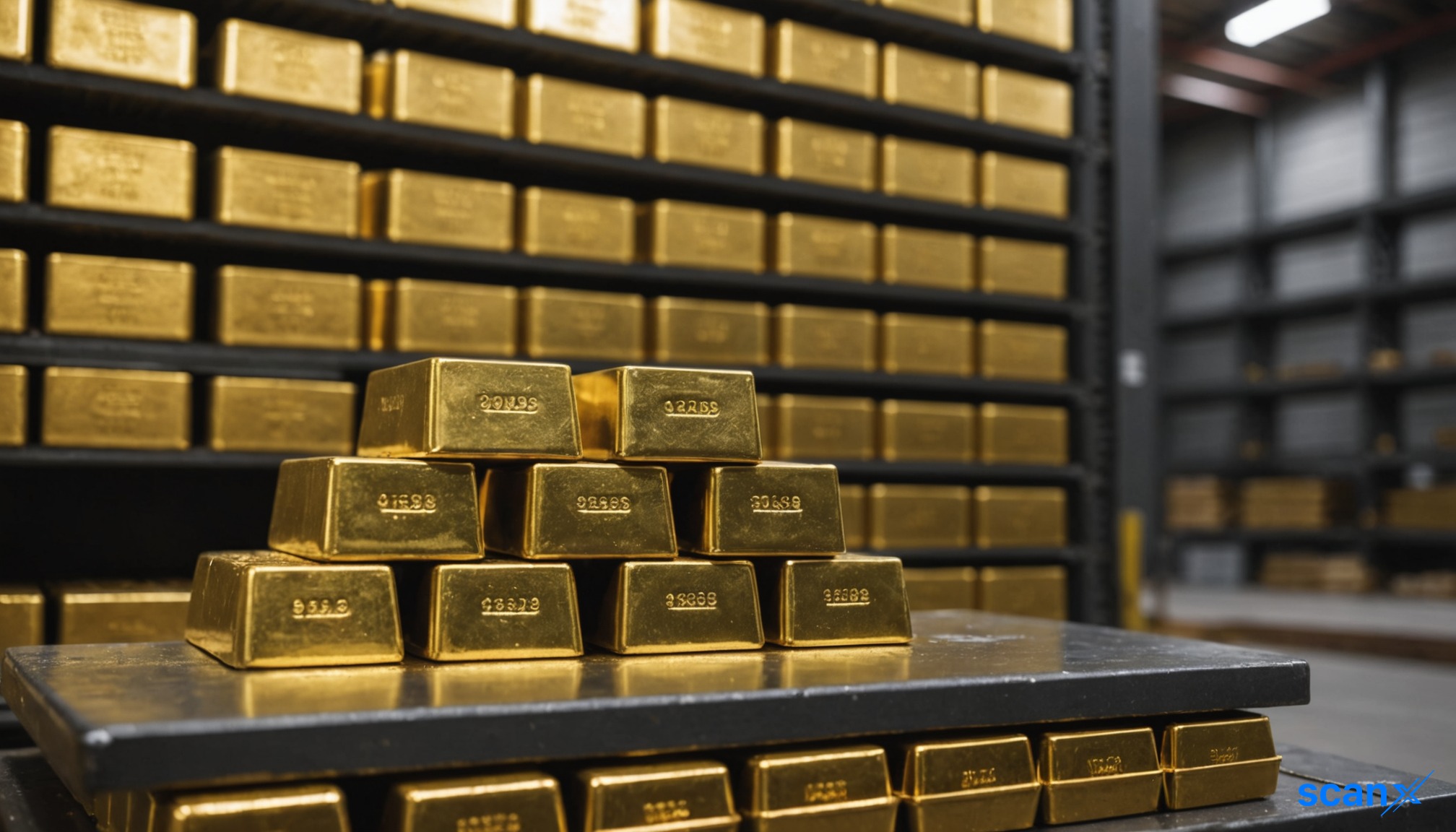
*this image is generated using AI for illustrative purposes only.
Former Representative Marjorie Taylor Greene (R-Ga.) publicly challenged President Donald Trump’s narrative of U.S. energy dominance on Saturday, arguing that high fuel prices driven by tensions with Iran undermine his administration’s claims. While Trump celebrated surging oil exports, Greene pointed to consumer data showing gas at $4.10 and diesel at $5.36, asserting that geopolitical conflicts are directly harming American voters.
The disagreement emerged after Trump posted on Truth Social, declaring that U.S. oil exports were "SURGING" under his leadership and labeling America as the "King of Oil." Greene responded on X, criticizing the administration’s communications strategy and stating that such posts from a "multibillionaire POTUS" were "stupid." She argued that the current economic reality for consumers contradicts the administration’s optimistic framing of energy independence.
Key Price Points Cited by Greene
| Fuel Type | National Price |
|---|---|
| Gas | $4.10 |
| Diesel | $5.36 |
Greene explicitly linked these price levels to U.S. military actions, writing that an "illegal senseless war on Iran" was crushing citizens who voted to end foreign wars and lower inflation. Her comments reflect a growing rift within the party regarding the economic consequences of aggressive foreign policy, particularly concerning supply chain disruptions in key energy regions.
Global Energy Market Pressures
The dispute occurs against a backdrop of heightened volatility in global energy markets. Recent trade tensions, Middle East conflicts, and shipping disruptions have increased pressure on supply chains. Although President Trump imposed 50% tariffs on Canadian goods, Canadian crude oil exports remained exempt, preserving a critical energy partnership given Canada’s significant share of U.S. imports.
Simultaneously, security threats in major shipping routes have exacerbated supply concerns. Houthi threats to blockade Saudi Arabia and escalating U.S.-Iran tensions have raised fears of disruptions to the Bab el-Mandeb Strait and the Strait of Hormuz. U.S. forces recently conducted strikes against Iranian targets, which Trump stated were aimed at protecting commercial shipping.
Refining Capacity and Supply Risks
Despite Trump’s previous claims that oil was "flowing like never before," structural issues in the market persist. A global refining shortage, tighter inventories, and limited spare refining capacity have raised concerns about future supply shocks. Approximately 10% of global refining capacity has been reported offline, complicating efforts to stabilize domestic fuel prices despite increased crude exports.
Greene’s criticism underscores the disconnect between macro-level export statistics and micro-level consumer experiences. As shipping risks remain elevated and refining constraints tighten, the political debate over energy policy is likely to intensify, with lawmakers increasingly scrutinizing the link between foreign military engagements and domestic inflation metrics.

How might the growing public rift between Trump and Marjorie Taylor Greene over energy policy impact Republican unity in upcoming congressional votes on foreign aid or military engagement?
What specific measures could the administration take to mitigate domestic inflation caused by refining capacity shortages, given that crude exports are already at record highs?
If tensions with Iran escalate further, how likely is it that the exemption for Canadian crude oil tariffs will be revoked to pressure Ottawa or fund domestic energy subsidies?
 20
20






 Access 50+ Readymade Screeners
  Use 200+ Custom Filters
  Get Full Market Insights





