G7 Countries Plan To Limit China's Share Of Rare Earths To 60%

1 min read     Updated on 17 Jun 2026, 04:18 PM
scanx
Reviewed by
Shraddha JScanX News Team
AI Summary

G7 countries are planning to limit China's share of rare earths to 60%, representing a coordinated effort among the world's leading industrialized nations to diversify critical mineral supply chains. Rare earth elements are essential across electronics, defense, clean energy, and industrial manufacturing sectors. The proposed cap reflects growing strategic concerns over concentrated supply dependencies and signals a potential shift in global rare earth market dynamics.

powered bylight_fuzz_icon
43238872

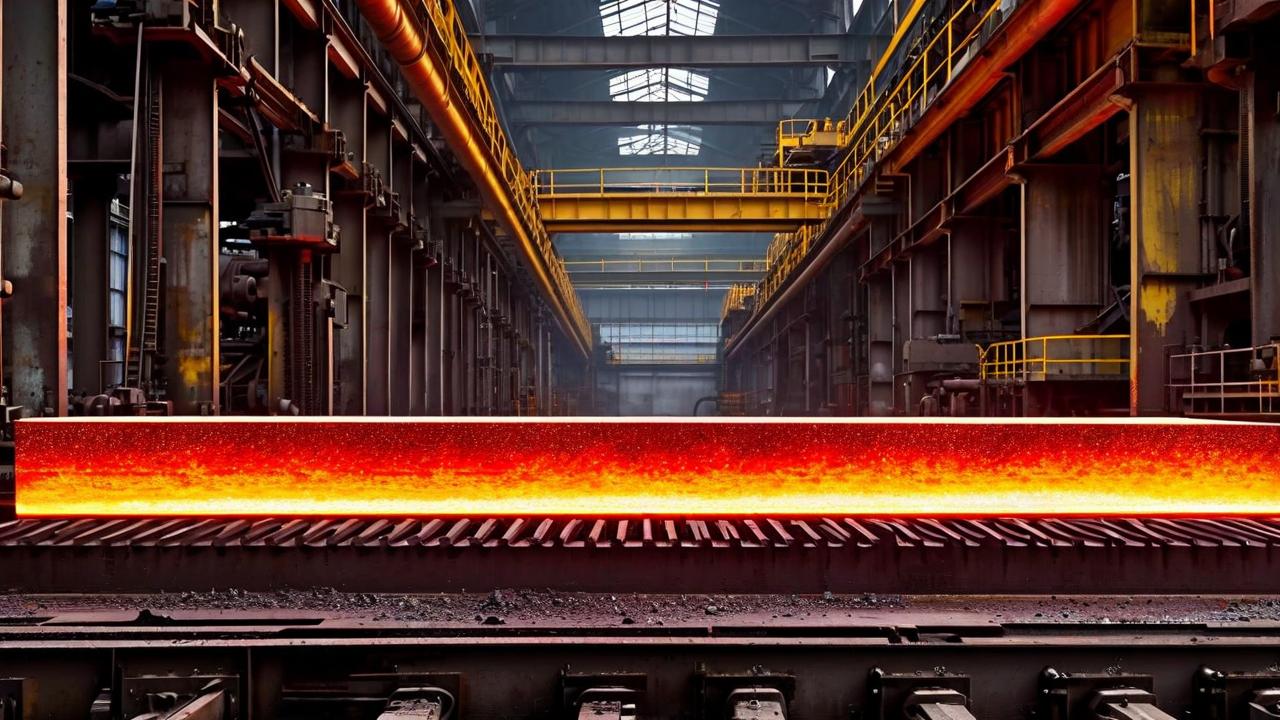
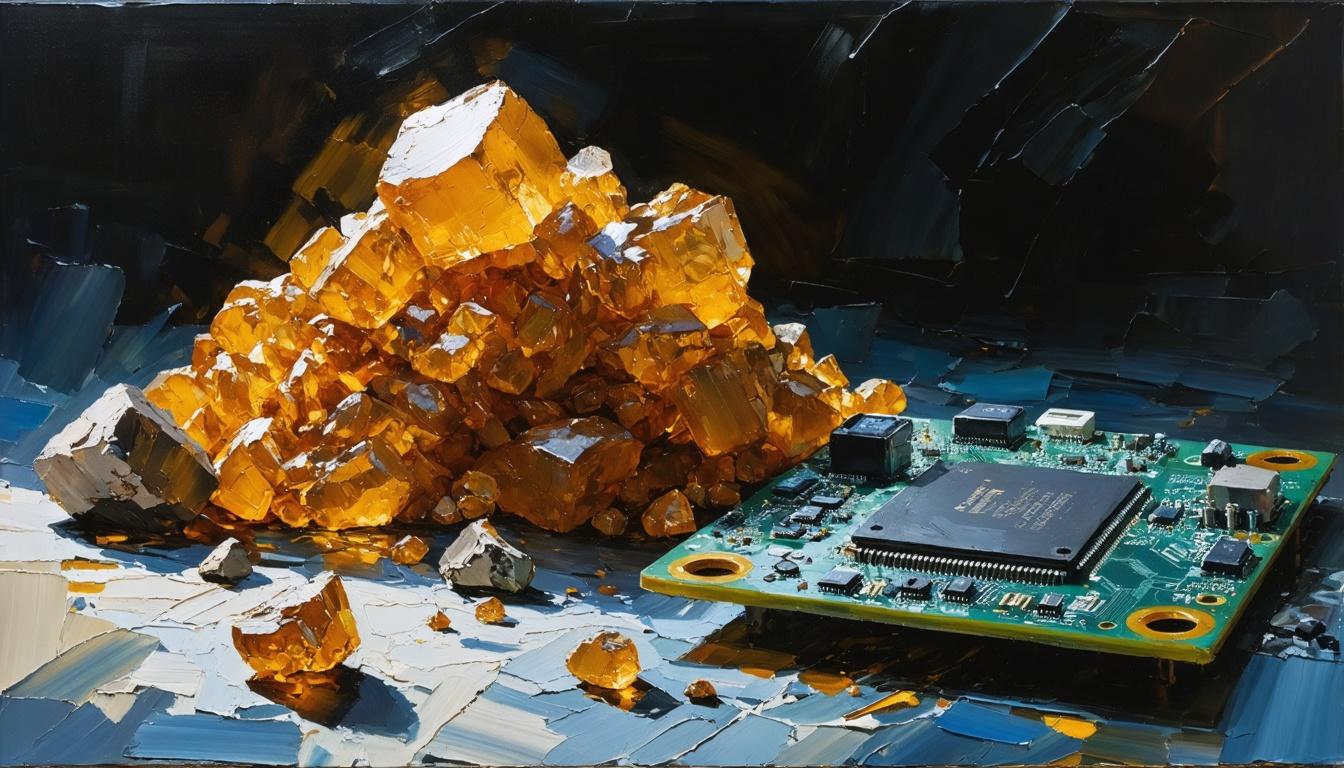
*this image is generated using AI for illustrative purposes only.

The Group of Seven (G7) nations are planning to limit China's share of rare earths to 60%, according to reports, marking a significant step by the world's leading industrialized economies to reduce their dependence on Chinese supplies of critical minerals. Rare earth elements are vital inputs across a broad spectrum of industries, including electronics, electric vehicles, defense systems, and renewable energy technologies.

G7's Strategic Push on Rare Earth Supply Chains

The proposed 60% cap on China's share of rare earths underscores the urgency with which G7 member nations are approaching the issue of critical mineral supply chain security. China currently dominates global rare earth production and processing, making it a pivotal supplier for industries worldwide. The G7's plan signals a collective intent to diversify sourcing and reduce strategic vulnerabilities associated with concentrated supply.

The following table summarizes the key detail reported in this development:

Parameter: Details
Initiative: G7 plan to limit China's rare earth share
Proposed Cap: 60%
Countries Involved: G7 nations
Sector Impacted: Rare earths and critical minerals

Significance of Rare Earth Diversification

Rare earth elements encompass a group of 17 metallic elements that are integral to the manufacturing of high-technology products. Their applications span several strategically important sectors:

  • Electronics: Used in smartphones, computers, and semiconductors
  • Defense: Critical for guided missiles, radar systems, and military hardware
  • Clean Energy: Essential for wind turbines, electric vehicle motors, and batteries
  • Industrial Manufacturing: Used in catalysts, magnets, and specialized alloys

The concentration of rare earth supply in a single country has long been identified as a systemic risk by policymakers across G7 economies. By setting a defined threshold of 60%, the G7 appears to be formalizing efforts to ensure that no single nation controls an outsized portion of these critical resources.

Broader Context of Critical Mineral Policy

The G7's reported move is consistent with a broader global trend of nations reassessing their supply chain dependencies for critical minerals. Several G7 members have individually pursued bilateral agreements, domestic mining initiatives, and strategic stockpiling programs in recent years to address rare earth supply risks. A coordinated G7-level target would represent an escalation of these efforts into a multilateral framework, aiming to collectively reshape the global rare earth market structure.

What alternative sourcing countries or projects are G7 nations prioritizing to meet the 60% cap?

How might China respond diplomatically or economically to this coordinated reduction in market share?

What impact will this cap have on global rare earth prices and production costs for EV and defense industries?

like15
dislike

G7 boosts Ukraine aid, tightens sanctions on Russia's energy sector

2 min read     Updated on 17 Jun 2026, 03:55 PM
scanx
Reviewed by
Shriram SScanX News Team
AI Summary

G7 leaders, including President Donald Trump, agreed to increase military support for Ukraine and strengthen sanctions on Russia's energy sector during a summit in Evian-les-Bains. The declaration cited Trump's deal with Iran to reopen the Strait of Hormuz as a key factor enabling additional economic pressure on Moscow. The group also addressed Middle East conflicts, Indo-Pacific security, and global economic imbalances.

powered bylight_fuzz_icon
43179011

*this image is generated using AI for illustrative purposes only.

Leaders of the G7, including President Donald Trump, pledged to increase military support for Ukraine and strengthen sanctions targeting Russia’s energy sector in a joint declaration signed Wednesday during the three-day summit in Evian-les-Bains. The leaders commended Ukraine for its resilience and progress on the battlefield, noting a new momentum that they intend to support through increased military capabilities and sanctions against the Russian war economy.

Support for Ukraine

To accelerate the new momentum in Ukraine, the G7 agreed to increase the delivery of air defence capacities, additional systems, interceptors, and long-range capabilities. The leaders expressed readiness to consider extending licenses to Ukraine to allow for an increase in its military production. They also committed to providing further support to help the country through the next winter, emphasizing the importance of energy resilience based on needs expressed by Ukrainian authorities.

Sanctions on Russia

The G7 committed to increasing pressure on the Russian war economy by strengthening sanctions on the oil and gas sectors. The leaders identified this as the right moment to proceed with additional measures, citing a deal delivered by President Trump to reopen the Strait of Hormuz. A U.K.-France-led international mission will protect shipping lanes through the strait. The U.K. has already deployed HMS Dragon, a Type-45 guided-missile destroyer, to the Middle East for naval escorts.

Middle East developments

The leaders welcomed the announcement of a deal between the United States and Iran, secured under the leadership of President Trump with support from mediating countries. This deal is viewed as a historic opportunity to prevent Iran from acquiring nuclear weapons and to address threats related to its regional and ballistic activities. The G7 reaffirmed that the right of transit passage without restrictions or tolls is fundamental to international trade.

In Lebanon, the G7 supports an immediate robust ceasefire to assist the leadership in achieving the disarmament of Hezbollah and ensuring the monopoly of arms. In Gaza, the leaders committed to accelerating humanitarian and reconstruction efforts and the swift implementation of relevant political and security measures, while calling for an end to violence in the West Bank.

Indo-Pacific and global economy

The leaders highlighted the importance of a free and open Indo-Pacific based on the rule of law. They reaffirmed opposition to any unilateral attempts to change the status quo by force or coercion in the East and South China Seas and across the Taiwan Strait. The G7 expressed deep concern about North Korea's nuclear and ballistic missile programs, reaffirming a commitment to complete denuclearization. They also welcomed the Global Convergence for Growth Summit convened by President Macron on June 11, 2026, with the participation of China, to address global imbalances.

How will the increased military production licenses for Ukraine impact the European defense industrial base over the next year?

What specific new sanctions on Russian energy can the G7 implement without causing significant backlash to their own economies?

Will the US-Iran deal lead to a broader de-escalation of proxy conflicts across the Middle East?

like16
dislike