

Europe loitering munitions market to reach $7.58 billion by 2031


- Europe loitering munitions market to reach $7.58 billion by 2031 from $4.87 billion in 2026
- Market growth driven by rising defense spending and joint procurement programs across Europe
- Ukraine held 43.4% market share in 2025; Romania is the fastest-growing country
- Medium-range and canister-launched systems currently dominate the market segments

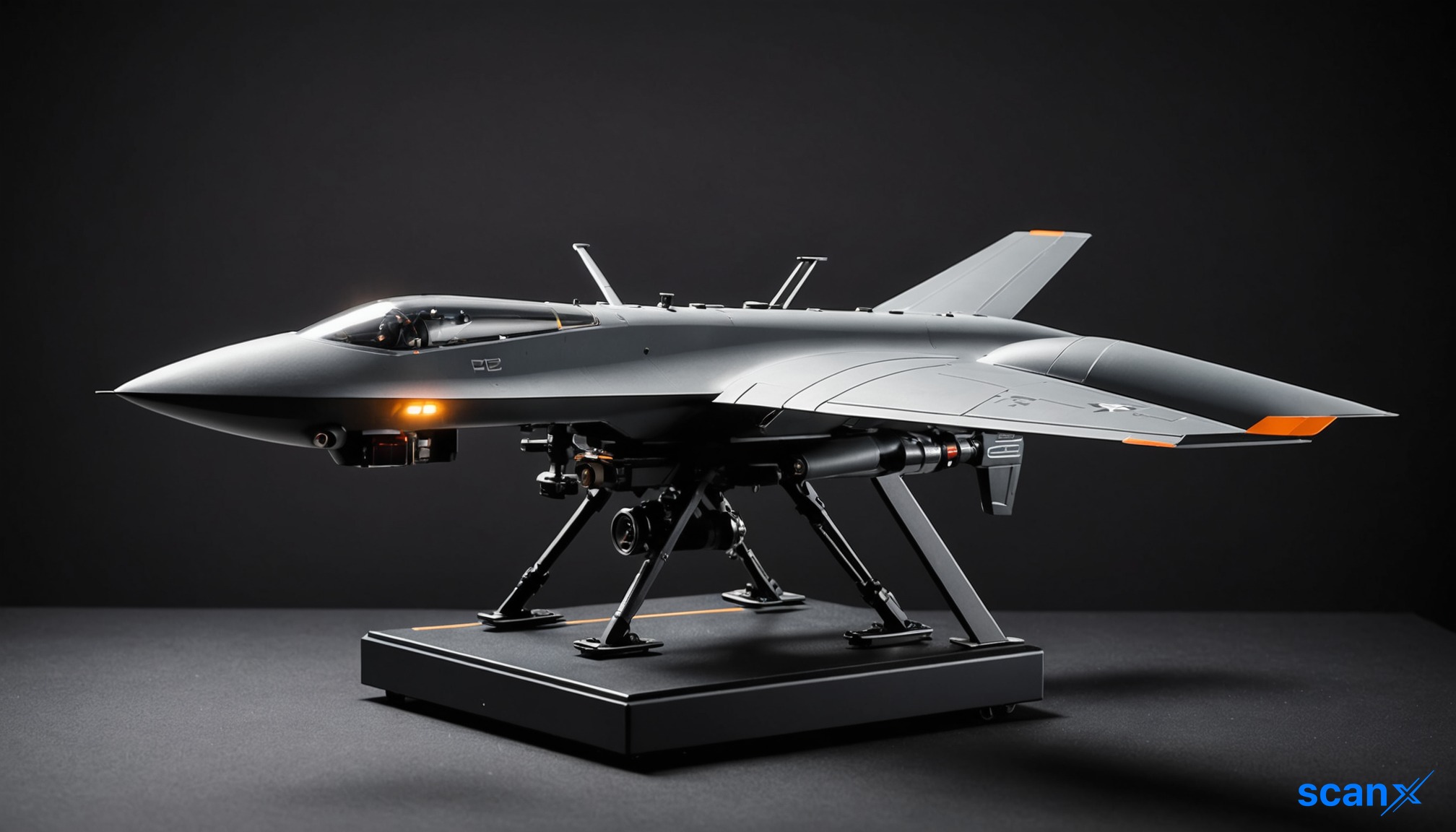

*this image is generated using AI for illustrative purposes only.
The Europe loitering munitions market is projected to reach $7.58 billion by 2031, growing at a compound annual growth rate (CAGR) of 9.2% from a 2026 estimate of $4.87 billion, according to a new report by MarketsandMarkets.
This growth reflects increased European defense spending and the procurement of advanced unmanned weapon systems to enhance precision strike capabilities.
Market Overview
Loitering munitions, often referred to as suicide or kamikaze drones, combine reconnaissance persistence with guided missile precision. These systems loiter over target areas until threats are identified, then strike directly. The market is segmented by range, warhead type, navigation sensor, air time, launch mode, and end user.
| Segment | Leading Category | Key Driver |
|---|---|---|
| Range | Medium range (51–200 km) | Stand-off strike capabilities |
| Air Time | Medium endurance (45–120 min) | Balance of duration and flexibility |
| Launch Mode | Canister-launched | Rapid deployment and compact storage |
| Navigation Sensor | Electro-optic | Real-time visual target identification |
| Warhead Type | Anti-armor/shape charged | Effectiveness against armored vehicles |
| End User | Army | Tactical precision-strike requirements |
Regional Dynamics
Ukraine led the market with a 43.4% share in 2025, driven by extensive combat deployment and rapid scaling of domestic production amid ongoing conflict. Romania is identified as the fastest-growing country, supported by rising defense spending and plans to acquire 70 loitering munition systems for its Land and Naval Forces under the SAFE program.
Germany, Poland, France, the UK, Italy, and the Rest of Europe also contribute significantly to regional demand through ongoing modernization programs and joint procurement initiatives.
Competitive Landscape
Key players include Helsing, WB GROUP, Rheinmetall AG, Anduril Industries, and KNDS. Helsing is identified as a leading player due to its focus on AI-enabled strike systems, particularly the HX-2 loitering munition designed for autonomous operations in contested environments.
Aevex is noted as an emerging company expanding its defense portfolio with advanced unmanned systems. Among startups and SMEs, Fire Point and Stark Defense are recognized for strong product innovation and technological advancements.
What the Numbers Show
The dominance of medium-range systems (51–200 km) alongside the fastest growth in long-endurance air time (>120 minutes) indicates a strategic shift toward extended operational reach. While current deployments prioritize tactical flexibility within medium ranges, the high projected CAGR for long-endurance platforms suggests increasing demand for persistent surveillance and strike capabilities beyond immediate battlefield areas.

How might the rapid scaling of domestic production in Ukraine influence export regulations and technology transfer policies within the EU?
What regulatory or ethical challenges could arise for European manufacturers as AI-enabled autonomous strike systems like Helsing's HX-2 become more prevalent?
Could the high demand for medium-range systems lead to supply chain bottlenecks for critical components like electro-optic sensors and shape-charged warheads?
 19
19



 Access Market Heat-map & Insights
  Create, Save & Share your Screener
  Use 200+ Screening Filters





