

EU rejects diesel ban, IEA to handle fuel stock releases


- EU spokesperson confirmed the bloc fully rejects any ban on diesel
- Any fuel stock release is organized by the International Energy Agency
- Next Oil Coordination Group meeting scheduled for October 15
- Authorities ready to convene earlier if the situation requires

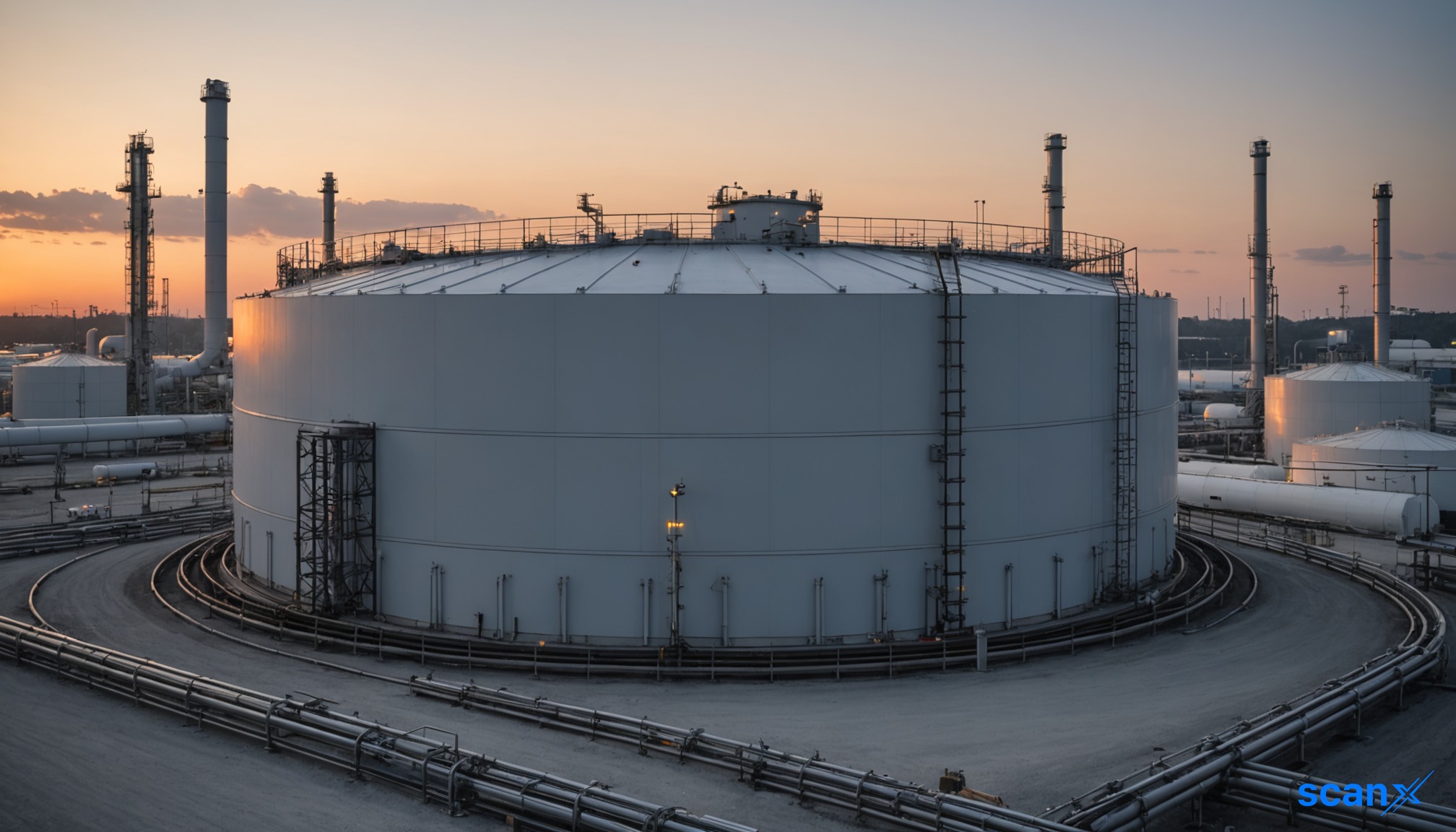

*this image is generated using AI for illustrative purposes only.
The European Union has firmly rejected any potential ban on diesel, stating such a measure would not be beneficial to anyone. This clarification comes amidst discussions on emergency fuel supply measures within the bloc.
An EU spokesperson declined to comment immediately on specific fuel stock discussions but emphasized that any release of stocks is organized by the International Energy Agency (IEA). This distinction separates EU policy from global coordination mechanisms for energy security.
Meeting schedules and contingency plans
The next scheduled meeting of the Oil Coordination Group is set for October 15. However, authorities indicated readiness to convene earlier if the situation requires immediate action.
Previously, reports cited EU diplomats indicating that the Energy Union Taskforce was set to convene on Friday to discuss potential diesel stock releases. The initial agenda focused on emergency measures concerning fuel supply security, though no specific volumes or timelines were disclosed in those early reports.
Policy stance on fuel security
The EU's position highlights a reliance on established international frameworks like the IEA for stock management rather than unilateral bans or ad-hoc releases. The rejection of a diesel ban underscores the bloc's commitment to maintaining market stability and supply continuity without drastic regulatory prohibitions.

How might the EU's rejection of a diesel ban influence ongoing negotiations regarding the 2035 internal combustion engine phase-out?
What specific geopolitical or supply chain disruptions could trigger an earlier-than-scheduled convening of the Oil Coordination Group?
How will the reliance on IEA-coordinated stock releases impact the EU's strategic autonomy in future energy crises?
 16
16



 Access 50+ Readymade Screeners
  Use 200+ Custom Filters
  Get Full Market Insights





