

China Summons Leading EV Battery Manufacturers CATL, BYD, and Gotion to Official Meeting


Chinese authorities have summoned major EV battery manufacturers CATL, BYD, and Gotion to an official meeting, as reported by China Daily. The three companies represent key players in the global electric vehicle battery sector, with CATL being the world's largest EV battery manufacturer. While specific meeting details remain undisclosed, the召集 suggests potential discussions regarding the electric vehicle battery industry.


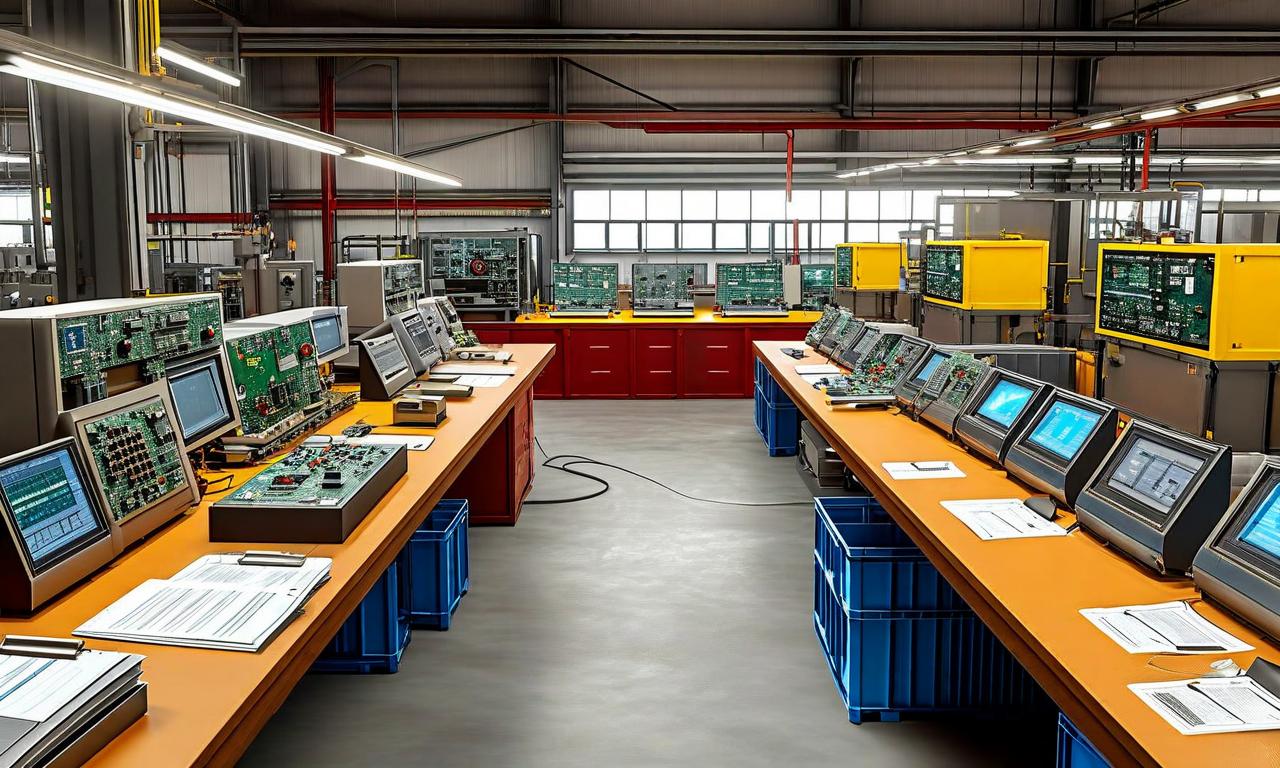
*this image is generated using AI for illustrative purposes only.
Chinese authorities have summoned three major electric vehicle battery manufacturers to an official meeting, according to reports from China Daily. The companies called to attend include CATL, BYD, and Gotion, representing some of the most significant players in the global EV battery manufacturing sector.
Companies Involved
The meeting involves three key industry participants:
| Company: | Industry Position |
|---|---|
| CATL: | Global leader in EV battery manufacturing |
| BYD: | Major Chinese automaker and battery producer |
| Gotion: | Significant lithium battery sector player |
Meeting Details
The China Daily report confirms that Chinese authorities have formally summoned these companies to attend a meeting. However, the available information does not specify the meeting's agenda, timing, or the particular government body issuing the summons.
Industry Context
The three companies represent substantial portions of the electric vehicle battery market. CATL holds the position as the world's largest EV battery manufacturer, while BYD operates as both a major automotive manufacturer and battery producer. Gotion contributes significantly to the lithium battery manufacturing sector.
The召集 of these industry leaders suggests potential discussions regarding regulatory matters, industry standards, or policy directions affecting the electric vehicle battery sector in China.
 19
19





 Access 50+ Readymade Screeners
  Use 200+ Custom Filters
  Get Full Market Insights





