News Global China's Anti-Involution Strategy Set to Boost Indian Steel, Aluminium, and Energy Sectors
China's Anti-Involution Strategy Set to Boost Indian Steel, Aluminium, and Energy Sectors


China's 'anti-involution' strategy, aimed at reducing oversupply in key industries, is expected to benefit Indian companies. The plan includes a 50 million ton cut in steel output by 2025. Morgan Stanley has upgraded JSW Steel and Tata Steel to 'overweight' and SAIL to 'equal weight'. Aluminium prices are anticipated to stabilize between $2,500-$2,600 per ton, benefiting Hindalco and Vedanta. Reliance Industries may gain from supply cuts in solar and energy chains. CLSA has revised EBITDA estimates for metals and mining companies by -4% to +8%, with target price adjustments between -3% to +6%.
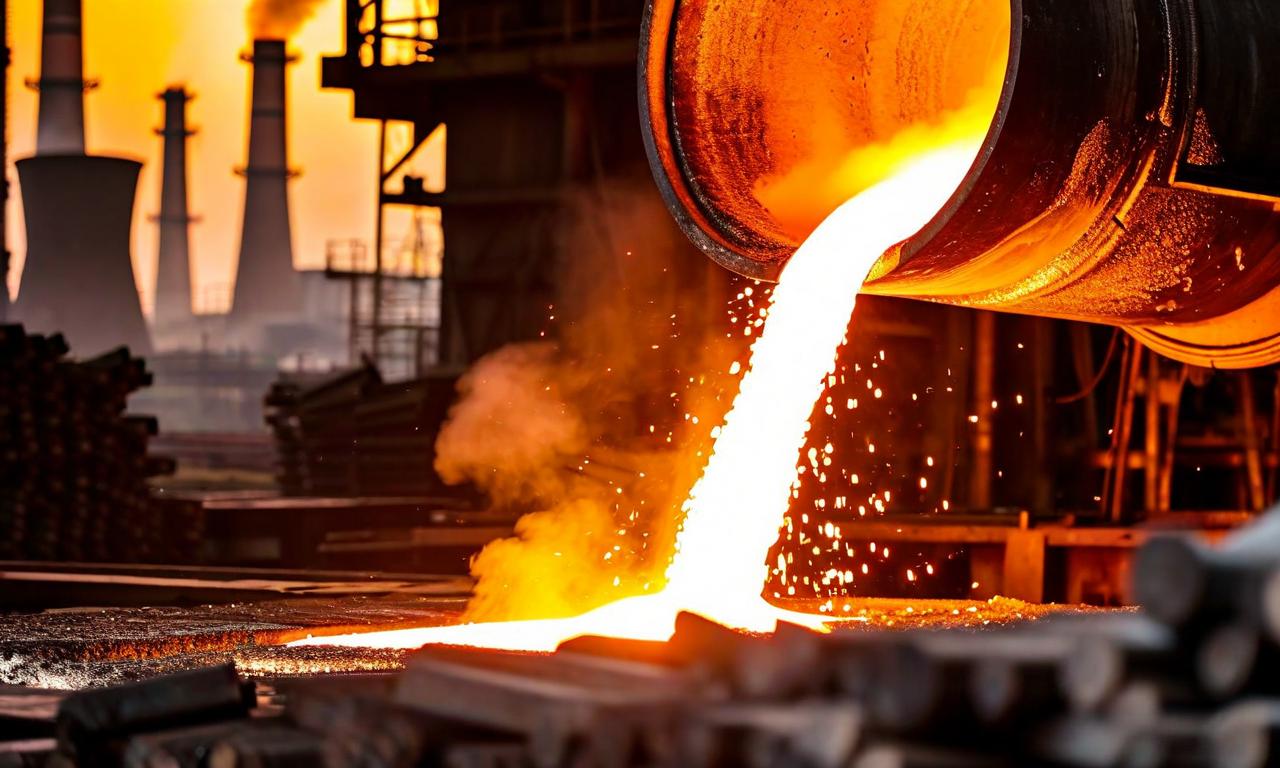

*this image is generated using AI for illustrative purposes only.
China's ambitious 'anti-involution' strategy, slated for implementation in 2025, is poised to reshape multiple industries and potentially benefit several Indian companies across the steel, aluminium, and energy sectors.
China's Strategic Move
The strategy aims to curb excessive competition and oversupply in key industries, including steel, solar, and electric vehicles. A significant aspect of this plan involves a substantial reduction in steel output, with China targeting a cut of 50.00 million tons in 2025 - an 8.50% decrease from current levels.
Impact on Indian Steel Sector
This move is expected to create a ripple effect that could significantly benefit Indian steel giants. Companies likely to see positive impacts include:
- Tata Steel
- JSW Steel
- SAIL (Steel Authority of India Limited)
In response to this development, Morgan Stanley has taken a bullish stance on the Indian steel sector:
- JSW Steel and Tata Steel have been upgraded to 'overweight'
- SAIL has been raised to 'equal weight'
Aluminium Industry Outlook
The aluminium industry is also set to feel the effects of China's strategy. Supply cuts are anticipated to bolster LME (London Metal Exchange) prices, potentially stabilizing them in the range of $2,500.00-$2,600.00 per ton. This price support could prove advantageous for Indian aluminium producers such as:
- Hindalco
- Vedanta
Energy and Renewables Sector
The impact extends beyond metals, reaching into the energy and renewables sectors. Reliance Industries, a key player in these areas, stands to benefit from China's supply-side cuts in solar and energy chains.
Morgan Stanley maintains an 'overweight' rating on Reliance Industries, raising its target price from Rs 1,602.00 to Rs 1,701.00, citing potential gains from these strategic shifts in China.
Financial Projections
CLSA, a global investment group, has adjusted its financial projections for metals and mining companies in light of these developments:
- EBITDA estimates have been revised within a range of -4.00% to +8.00%
- Target prices have been adjusted between -3.00% to +6.00%
Broader Implications
China's anti-involution strategy is expected to have far-reaching effects:
- Improved pricing power for Indian producers across metals, energy, and renewables sectors
- Potential for margin expansion in these industries
- Reduced global oversupply in key sectors, potentially leading to more stable market conditions
As this strategy unfolds, it will be crucial for investors and industry stakeholders to closely monitor its implementation and the resulting shifts in global supply chains and market dynamics. The move could mark a significant turning point for Indian companies competing in these sectors on the global stage.
 17
17