
 NewsCanada invests over $16 million in clean energy projects in western and northern territories
Canada invests over $16 million in clean energy projects in western and northern territories


The Government of Canada is investing over $16 million in five clean energy projects across British Columbia, Yukon, and the Northwest Territories to enhance energy security and reduce diesel reliance. Funded by the Smart Renewables and Electrification Pathways Program, these projects support Indigenous ownership and align with Canada's National Electricity Strategy, which aims to double grid capacity by 2050.



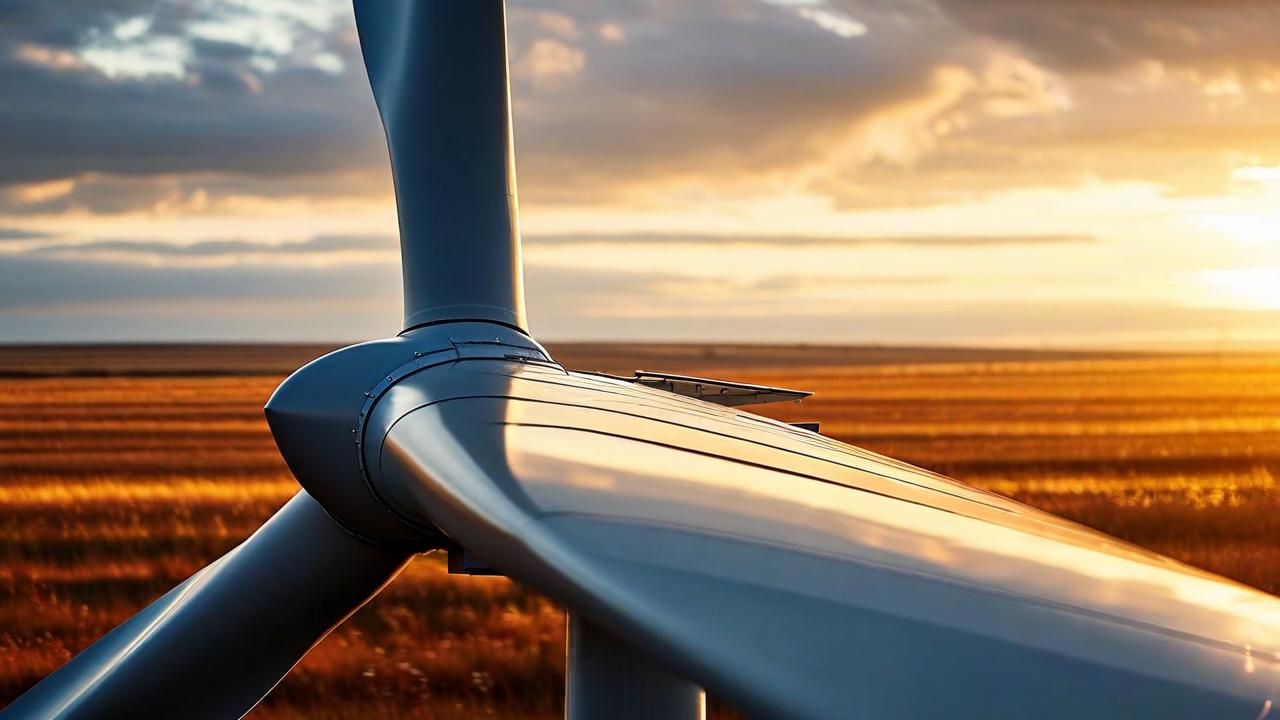
*this image is generated using AI for illustrative purposes only.
The Government of Canada has committed over $16 million to five clean energy infrastructure projects in British Columbia, Yukon, and the Northwest Territories. Announced on June 23, 2026, the funding aims to strengthen energy security, reduce reliance on diesel, and create opportunities for Indigenous ownership and participation in the energy sector. The investment is part of Canada's broader strategy to build a sustainable, affordable, and reliable electricity grid as demand is expected to double by 2050.
The Honourable Tim Hodgson, Minister of Energy and Natural Resources, and the Honourable Rebecca Alty, Minister of Crown-Indigenous Relations, highlighted the importance of these projects in addressing the high energy costs in northern and remote communities. Utility rates in these regions are currently six to ten times higher than the national average. The projects will focus on renewable energy, energy storage, and grid modernization to lower emissions and catalyze clean energy jobs.
Funding and Program Details
The federal funding is provided through the Government of Canada's Smart Renewables and Electrification Pathways Program (SREPP). This $4.5-billion program supports grid modernization, energy storage, and non-emitting generation projects across all regions of Canada. Approximately 50% of approved deployment projects under SREPP to date have included Indigenous ownership.
| Program Feature | Details |
|---|---|
| Total Program Funding | $4.5 billion |
| Indigenous Ownership in Approved Projects | ~50% |
| Focus Areas | Grid modernization, energy storage, non-emitting generation |
National Electricity Strategy
On May 14, 2026, Canada announced a forthcoming National Electricity Strategy to guide the expansion of the country's grid. The strategy aims to double grid capacity by 2050 and ensure clean, reliable, and affordable power for decades. The government has launched consultations with provinces, territories, Indigenous Peoples, utilities, and unions to identify the most effective and affordable actions to achieve this goal.
The investments in British Columbia, Yukon, and the Northwest Territories are a direct application of this strategy, particularly in northern regions where access to electricity is more challenging. By partnering with territorial and Indigenous communities, the government seeks to secure domestic economic and security interests while ensuring an affordable energy future for Canadians.

How will the federal government ensure that the necessary infrastructure and supply chain keep pace with the projected doubling of electricity demand by 2050?
What specific metrics will be used to evaluate the success of Indigenous ownership models as the program scales beyond the initial 50% participation rate?
How will the forthcoming National Electricity Strategy address the regulatory and jurisdictional hurdles between provincial, territorial, and federal governments?
 18
18






 Access 50+ Readymade Screeners
  Use 200+ Custom Filters
  Get Full Market Insights





