

Canada, China Use Critical Minerals To Pressure US Supply Chains


- Canada supplies 43% of US nickel imports and nearly 60% of refined zinc, threatening exports amid tariff disputes
- China controls 91% of global rare-earth refining and 94% of finished magnet production per IEA data
- Chinese firms have halted some US shipments over geopolitical fears following Beijing sanctions
- US plans to deploy hundreds of billions in mining capital and launched $12 billion Project Vault stockpile
- USA Rare Earth completed $2.8 billion acquisition of Brazil's Serra Verde Group to secure supply

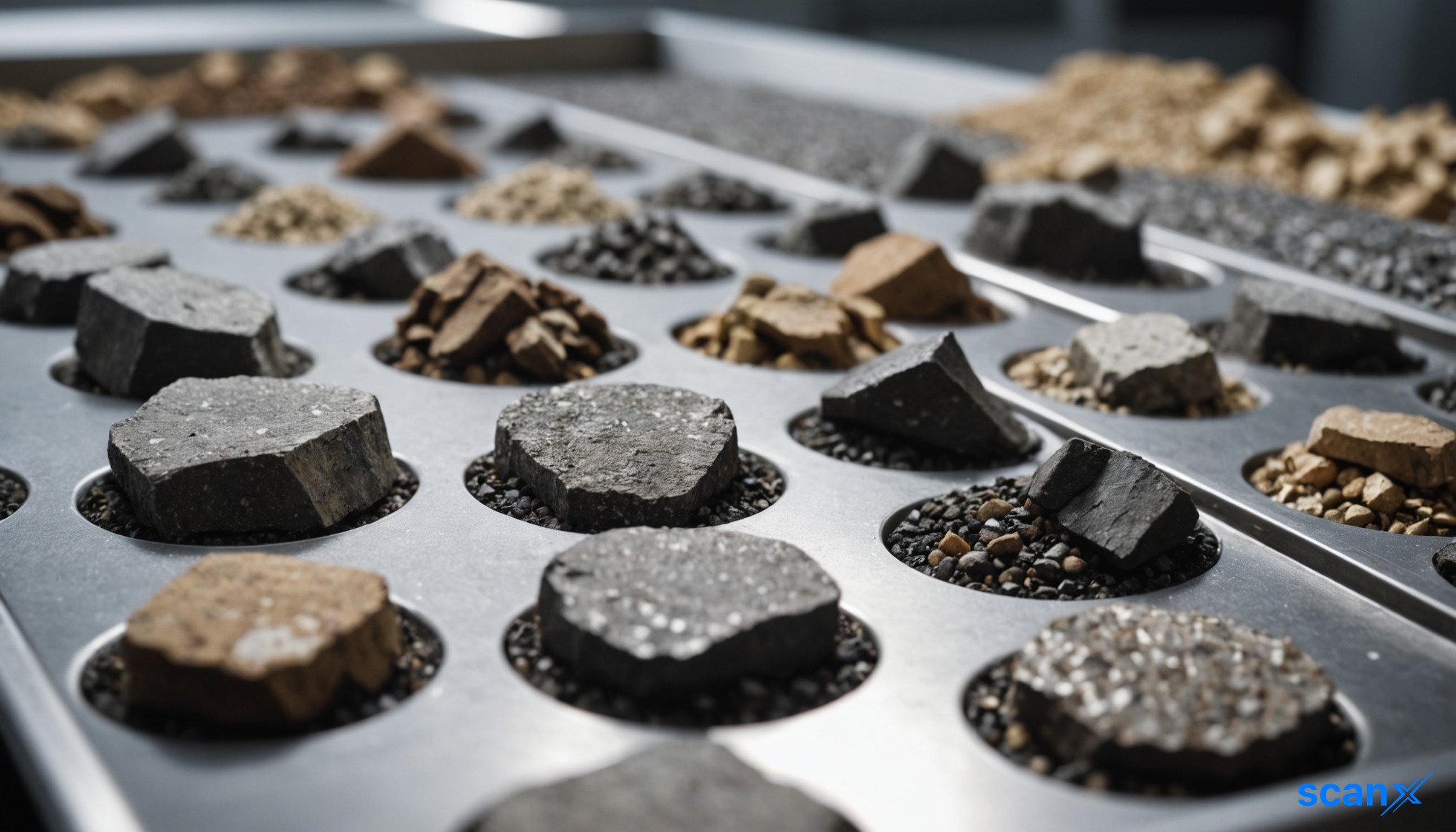

*this image is generated using AI for illustrative purposes only.
Critical minerals have replaced crude oil as the primary geopolitical battleground, with Canada and China leveraging supply chains to pressure the United States. Nickel, copper, lithium, and rare earth elements are now central to national security strategies.
Trade War Fallout
Tensions between Washington and Ottawa escalated after trade talks collapsed in late August. President Donald Trump announced tariffs of 50% on Canadian autos, trucks, and steel starting January 2027. Prime Minister Mark Carney promised to match these tariffs dollar for dollar and signaled a loss of interest in cooperating with the US on strategic minerals.
Ontario Premier Doug Ford threatened to halt key mineral exports to the US. Canada supplies roughly 43% of US nickel imports, the vast majority of US copper ore imports, and nearly 60% of refined zinc imports. Carney stated that Washington squandered an opportunity to cooperate, noting that Canada would pursue deals elsewhere.
China Dominates Global Market
China controls approximately 91% of global rare-earth refining and 94% of finished magnet production, according to the International Energy Agency (IEA). Reuters reported that several Chinese rare-earth producers have quietly halted shipments to the US, fearing retaliation from Beijing after China placed a Western industry compliance group on its sanctions list.
The IEA estimates that a full rollout of China's export controls could threaten roughly $6.5 trillion in downstream global production annually. Gracelin Baskaran, Director of the Critical Minerals Security Program at the Center for Strategic and International Studies, noted that China combines foreign policy to secure minerals with domestic industrial strategy to process them.
Congressional Hearing And US Response
Experts at a House Committee on Ways & Means hearing on Wednesday urged Washington to strengthen trade relationships to break China's grip on key minerals. Baskaran highlighted that critical mineral projects can take 25 years to develop, requiring policy stability beyond electoral cycles.
Under the Trump administration, the US plans to deploy hundreds of billions of dollars in capital into the mining sector. President Trump launched Project Vault, a $12 billion initiative to stockpile essential minerals, in February. The government has begun backing price floors, off-take guarantees, and stockpiling efforts with companies like MP Materials Corp (NYSE: MP) and Energy Fuels Inc (NYSE: UUUU).
USA Rare Earth Inc (NASDAQ: USAR) completed its long-pending $2.8 billion acquisition of Serra Verde Group, which owns the Pela Ema mine in Brazil. The company stated the deal creates a global rare earths leader and a partner for Western national security.
What the Numbers Show
The disparity in market control highlights the strategic vulnerability of US supply chains. While the US invests billions in new projects like Project Vault and acquisitions like USA Rare Earth's deal, China currently holds a near-monopoly on processing (91%) and finished goods (94%). Simultaneously, the US relies heavily on Canada for raw inputs, importing 43% of its nickel and nearly 60% of its refined zinc from there, making diplomatic friction with Ottawa an immediate operational risk.

How might the 50% tariffs on Canadian autos and steel accelerate the decoupling of North American critical mineral supply chains, and what alternative sourcing strategies will US manufacturers adopt?
Given the 25-year development timeline for new mineral projects, what specific policy mechanisms can the US implement to ensure long-term stability beyond electoral cycles and attract sufficient private capital?
To what extent could China's export controls on rare earths trigger a global shortage in electric vehicle and defense production, and how prepared are Western companies to absorb the estimated $6.5 trillion in potential downstream losses?
 20
20





 Access Market Heat-map & Insights
  Create, Save & Share your Screener
  Use 200+ Screening Filters





