

AM Best expects limited insured losses from Peru earthquake


- AM Best expects limited insured losses from the Aug. 20, 2026, 7.2-magnitude earthquake in southwest Peru.
- Damage includes 83 homes and ~20 schools near Coracora; full loss assessment is ongoing.
- Peru’s insurance penetration is ~2% of GDP (2025), with >80% of premiums concentrated in Lima.
- AM Best maintains a stable outlook on Peru’s insurance segment.



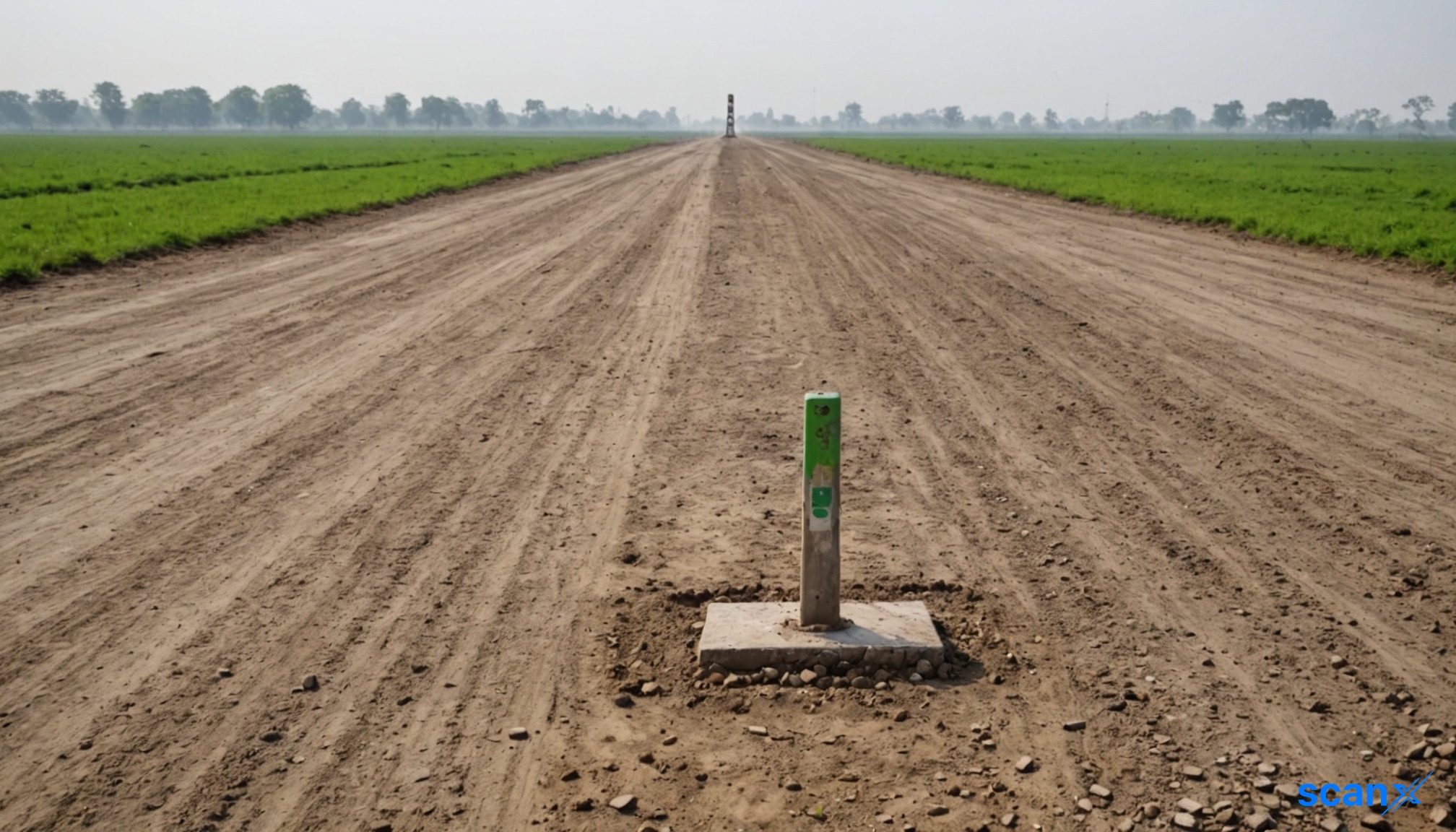
*this image is generated using AI for illustrative purposes only.
AM Best expects insured losses from a recent earthquake in Peru to be limited. The rating agency cites low insurance penetration near the epicenter and geographic concentration of premiums in Lima.
Seismic Event Details
A 7.2-magnitude earthquake struck the southwest portion of Peru on Aug. 20, 2026, near Coracora in the Parinacochas province. Preliminary reports indicate damage to 83 homes, approximately 20 schools, as well as health centers, public facilities, and transport routes. The full scope of insured losses remains subject to ongoing assessments.
Market Penetration Context
Insurance penetration in Peru stands at approximately 2% of GDP in 2025. Insurance activity is geographically concentrated, with Lima accounting for over 80% of total insurance premiums as of June 2026. The epicenter was located far from this primary market hub.
What the Numbers Show
The divergence between national insurance penetration (2% of GDP) and regional premium concentration (over 80% in Lima) suggests that catastrophic events outside the capital face minimal direct exposure to the formal insurance sector. This structural gap limits immediate financial impact on insurers despite physical damage to infrastructure and housing in the affected region.
Outlook
Inger Rodriguez, senior financial analyst at AM Best, noted that increased insurance penetration and reinsurance availability remain paramount for Peru given its exposure to natural catastrophes. AM Best maintains a stable outlook on Peru’s insurance segment.

How might the recent earthquake influence regulatory pressure on the Peruvian government to expand mandatory insurance coverage in high-risk seismic zones outside Lima?
What specific reinsurance strategies are Peruvian carriers likely to adopt to mitigate future catastrophic risks given the current geographic concentration of premiums?
Could this event accelerate the adoption of parametric insurance products in Peru to address the coverage gap for rural and provincial infrastructure?
 19
19






 Access 50+ Readymade Screeners
  Use 200+ Custom Filters
  Get Full Market Insights





