Ackman flags Hormuz Strait as strategic risk for US economy

1 min read     Updated on 19 Jun 2026, 09:22 AM
scanx
Reviewed by
Shraddha JScanX News Team
AI Summary

Bill Ackman, CEO of Pershing Square USA Ltd., warned that US reliance on the Strait of Hormuz is a critical vulnerability comparable to semiconductor dependence on Taiwan. He stated that exposure to the narrow waterway is not conducive to long-term peace and security. The comments follow a US-Iran agreement to end a conflict that disrupted global shipping and energy supplies.

powered bylight_fuzz_icon
43386733

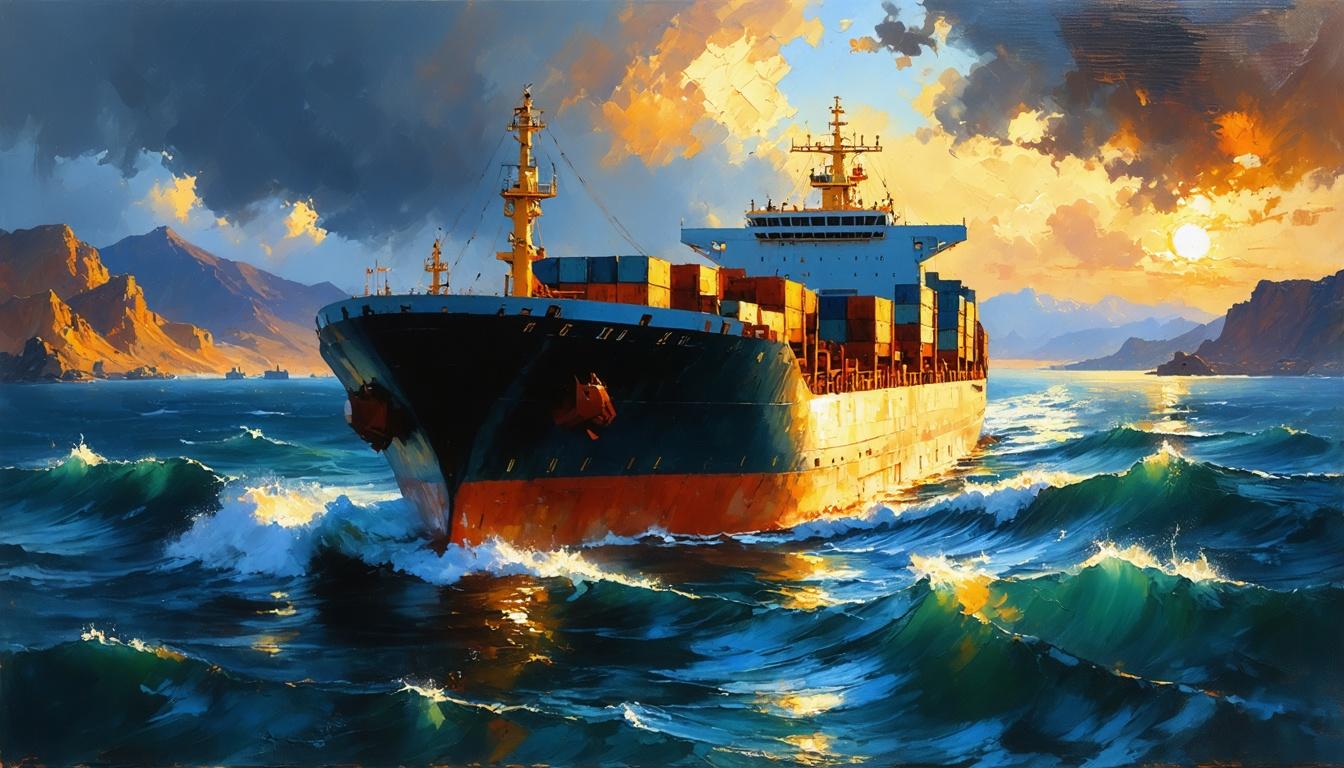
*this image is generated using AI for illustrative purposes only.

Billionaire investor and Pershing Square USA Ltd. CEO Bill Ackman warned Thursday that dependence on the Strait of Hormuz remains a critical vulnerability for the global economy. Ackman compared the strategic risk to US reliance on semiconductor manufacturing in Taiwan and pharmaceutical supply chains centered in China. He stated that addressing this dependence is as crucial as reducing exposure to foreign-made chips and active pharmaceutical ingredients.

Strategic Vulnerability

"To state the obvious, having the American and global economy exposed to a narrow strait is not conducive to long-term peace and security," Ackman said in a post on X. The recent conflict disrupted shipping and energy supplies across the region, driving oil prices sharply higher and renewing scrutiny of the world's reliance on the waterway.

Why the Strait of Hormuz Matters

The Strait of Hormuz is one of the world's most important energy chokepoints, connecting the Persian Gulf to international shipping routes. Roughly a fifth of global oil consumption and a significant share of liquefied natural gas exports pass through the narrow waterway, making it critical to global energy markets.

Metric Detail
Global Oil Consumption ~20% passes through Strait of Hormuz
Liquefied Natural Gas Significant share exported via waterway

Under the proposed arrangement, Iran will allow commercial vessels to transit the waterway free of charge for 60 days. Normal traffic is expected to resume within 30 days after mines are cleared. Crude oil traded around $76 per barrel Friday and was headed for a weekly decline of about 10% as improving shipping conditions eased supply concerns.

Comparison to Taiwan and China Supply Chains

Ackman compared the reliance on the Strait of Hormuz to other areas where the US has made efforts to reduce strategic dependencies. Washington has invested billions of dollars through the CHIPS and Science Act to expand domestic semiconductor production and reduce reliance on overseas suppliers. The US has also pushed to diversify pharmaceutical supply chains amid concerns over dependence on China for active pharmaceutical ingredients and other critical medical inputs.

What specific investments or policy shifts might the US government consider to reduce its strategic vulnerability in the Strait of Hormuz?

How could increased energy independence or diversification of supply routes mitigate the economic risks associated with the Strait of Hormuz?

What long-term impact might repeated disruptions in the Strait of Hormuz have on global energy markets and oil price stability?

like20
dislike

Hormuz Traffic to Rise Gradually as Iran Imposes Security Protocols on Vessels

2 min read     Updated on 19 Jun 2026, 12:38 AM
scanx
Reviewed by
Shraddha JScanX News Team
AI Summary

Iran's Supreme National Security Council has announced that Strait of Hormuz traffic will increase gradually, with vessels required to follow allocated times and designated paths due to security concerns. Mitsui OSK Lines, the world's largest tanker owner, echoes caution, stating normalization may take at least a couple of weeks, while opposing any transit fees as violations of freedom of navigation.

powered bylight_fuzz_icon
43158853

*this image is generated using AI for illustrative purposes only.

Shipping operators may require weeks of proof that the recent U.S.-Iran agreement is effective before resuming transit through the Strait of Hormuz, according to Mitsui OSK Lines, the world's largest tanker owner. Adding to the cautious outlook, Iran's Supreme National Security Council has announced that traffic through the strait will increase gradually, with vessels required to follow allocated times and designated paths due to ongoing security concerns. The Strait of Hormuz is a critical chokepoint responsible for over a fifth of the world's crude oil supply, making the safe and orderly resumption of transit vital for global energy markets.

Jotaro Tamura, the head of Mitsui OSK Lines, indicated that while a deal has been reached to reopen the passage, a simple agreement is insufficient to reassure operators. He stated that it is reasonable to assume it may take at least a couple of weeks for traffic to return to normal levels, noting that previous attempts to reopen the route had failed, necessitating a cautious approach. Although Tamura made these comments prior to the official announcement of the deal, Mitsui OSK Lines confirmed that his assessment remains unchanged. The company successfully moved four vessels out of the Gulf before the reopening deal was finalized and confirmed it did not pay any fees to Iran, with at least seven of its ships currently waiting to pass through the strait.

Iran's Graduated Reopening Framework

Iran's Supreme National Security Council's directive introduces a structured approach to resuming maritime traffic, requiring vessels to adhere to allocated transit times and specific navigational paths. This framework reflects the security sensitivities that persist in the region even following the agreement. The gradual increase in traffic aligns with the broader industry caution expressed by operators, reinforcing that a full return to pre-conflict transit volumes will not be immediate.

Operational Challenges and Industry Stance

Philip Belcher, a marine director at Intertanko, urged restraint regarding the immediate resumption of operations. Reports indicate that some vessels have already attempted departures under cover of darkness and with their GPS systems switched off to mitigate risk. Approximately 135 ships passed through the route before the conflict escalated, highlighting the scale of disruption caused by the closure.

Tamura explicitly opposed Iran's push to impose a transit fee on vessels passing through the strait, arguing that such a fee would violate international rules regarding freedom of navigation. Mitsui OSK Lines' stance reflects a broader industry concern that any additional costs or regulatory burdens could complicate the normalization of shipping lanes in the region.

Key Vessel and Transit Data

The following table outlines the status of Mitsui OSK Lines' vessels, Iran's new transit framework, and the transit volume prior to the conflict:

Metric: Details
Vessels moved before deal: 4
Vessels waiting to pass: At least 7
Pre-conflict transit volume: Approximately 135 ships
Estimated time to normalize: At least a couple of weeks
Traffic increase approach: Gradual, per Iran's Supreme National Security Council
Vessel requirements: Allocated times and designated paths

How will the requirement for vessels to adhere to allocated times and designated paths impact global shipping schedules and supply chain timelines?

What specific security benchmarks are shipping operators looking for to confirm the agreement's effectiveness before resuming full transit?

Could the imposition of transit fees by Iran lead to legal challenges or retaliatory measures from the international shipping community?

like19
dislike