

2026 Pearl River Trade Forum explores AI-driven global expansion models


- The 2026 Pearl River International Trade Forum was held in Guangzhou on October 16, aligned with the Canton Fair's 70th anniversary.
- Experts highlighted a shift toward "born global" models where companies develop for international markets from the outset, driven by AI and digital tech.
- Gree Electric reported 98% local workforce employment at its Brazil factory, illustrating a trend toward deep localization over simple exporting.
- Pascal Lamy described trust as the invisible infrastructure of trade, while EY noted Chinese firms are increasingly exporting capabilities like R&D.

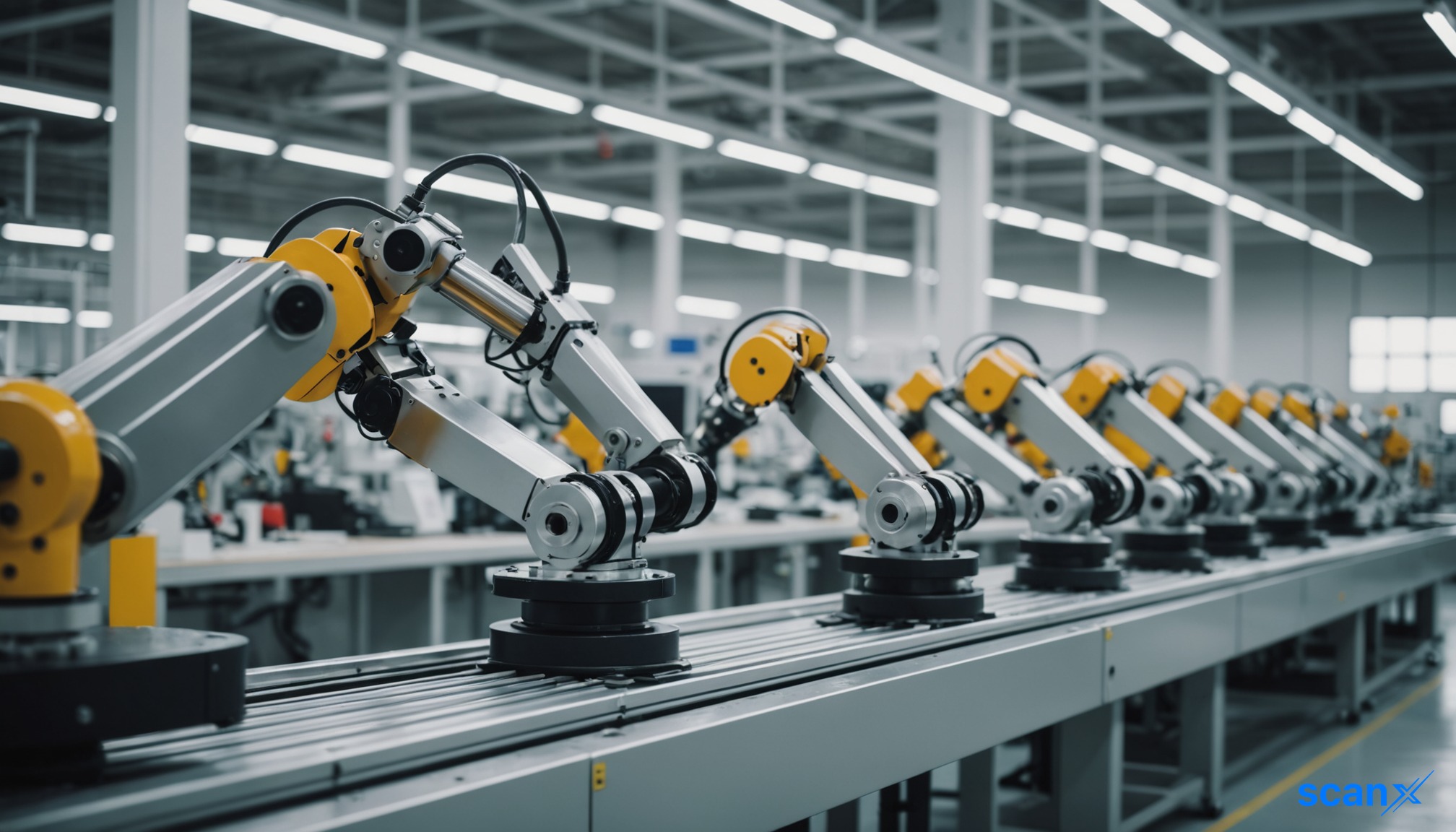

*this image is generated using AI for illustrative purposes only.
The 2026 Pearl River International Trade Forum concluded in Guangzhou on October 16, coinciding with the 70th anniversary of the Canton Fair. The event focused on strategies for Chinese companies to expand into overseas markets amid a shifting global trade landscape.
Key themes and expert insights
The forum, themed "Building Mutual Trust and Joining Forces for Shared Success," featured dialogues on integrating trade with investment and fostering cooperation among overseas industrial parks. Pascal Lamy, former Director-General of the World Trade Organization (WTO), addressed participants via video. He described trust as the "invisible infrastructure" of international trade and highlighted the Canton Fair's seven-decade role in connecting China with the world.
Jiang Xiaojuan, professor at the University of Chinese Academy of Social Sciences, presented a new model of "born global" enterprises emerging in the age of AI. Unlike traditional approaches where companies establish domestic dominance before expanding, this model involves developing technologies and services for global markets from inception. Jiang noted that rapid advances in digital technologies and upgraded industrial capabilities are driving this shift. She emphasized the need for companies to think globally, build trusted brands, and meet high international compliance standards.
Corporate perspectives on localization
William Huang, Managing Partner of EY China South, observed that globalization is moving toward diversified business models. Chinese companies are increasingly exporting capabilities, such as R&D and supply chain management, rather than just products. Zhu Lei, Vice President and Chief Marketing Officer of Gree Electric Appliances, shared insights from 31 consecutive years of Canton Fair participation. Gree has pursued deep localization, with local employees accounting for 98% of the workforce at its Brazil factory.
Jiang Cong, Vice President of Xiaomi Group's International Business Department, noted that technology-driven firms face distinct challenges in building trust. Their offerings include platforms and ecosystems, requiring strong technological capabilities and sustained investment in localization. Can Yildirim, Managing Director of Severin, emphasized that "the future of cooperation lies in co-creating value," drawing on over three decades of experience in the Chinese market.
Strategic implications for trade integration
Liang Yutian, Deputy Director of the Institute of International and Regional Studies at Sun Yat-sen University, identified overseas industrial parks as key platforms for integrating trade and investment. Participants noted that despite slowing global economic growth and pressures on multilateralism, openness remains the prevailing trend. The forum served as a platform for dialogue among government, business, and academic communities, aiming to help businesses build mutual trust and identify new opportunities.
What the numbers show
| Entity | Key Metric/Insight | Context |
|---|---|---|
| Gree Electric | 98% local workforce | At Brazil factory, indicating deep localization strategy |
| Canton Fair | 70th anniversary | Celebrated during the 140th edition |
| Pearl River Forum | Founded in 2021 | First high-level forum dedicated to international trade at the fair |
The data highlights a strategic pivot from pure export volume to deep operational integration. Gree's 98% local workforce ratio in Brazil contrasts with traditional foreign trade models, suggesting that successful overseas expansion now relies heavily on human capital integration rather than just product shipment. This aligns with EY's observation that Chinese firms are exporting "capabilities" like R&D and supply chain management, marking a qualitative shift in the nature of Chinese global engagement.

How might the 'born global' enterprise model reshape regulatory compliance frameworks for Chinese tech firms entering Western markets?
What specific policy incentives are emerging in host countries to attract Chinese overseas industrial parks amidst rising geopolitical tensions?
To what extent will the shift from product exports to capability exports impact the trade balance metrics between China and its key trading partners?
 15





 Access 50+ Readymade Screeners
 Use 200+ Custom Filters
 Get Full Market Insights





