

Nvidia hikes server prices 15% as Micron capitalizes on memory scarcity


- Nvidia raises server prices by more than 15% for 2027 systems due to memory scarcity
- Micron quarterly revenue jumps to $41.46 billion from $9.3 billion year earlier
- Non-GAAP gross margin reaches 84.9% with Q4 guidance at $50 billion and 86% margin
- Supply covers only 60% of Nvidia's 2027 LPDRAM needs, forcing design adjustments



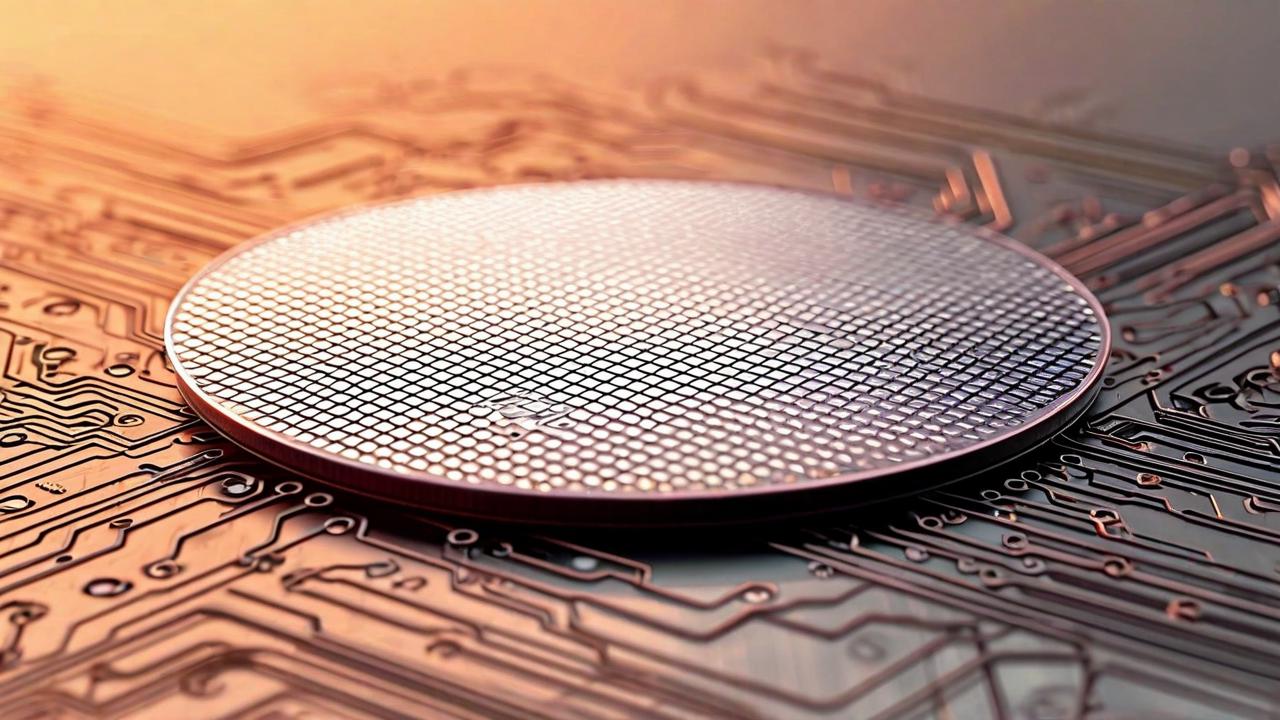
*this image is generated using AI for illustrative purposes only.
Nvidia Corp. (NASDAQ: NVDA) has informed major customers that prices for servers containing its AI chips will rise by more than 15%. The increase applies to Vera Rubin and Grace Blackwell systems shipping in early 2027, reflecting a supply-demand imbalance driven by soaring memory costs.
Dan Ives, partner and senior managing director at Yorkville Ives & Co., describes the move as bullish for the tech sector. He estimates demand for advanced chips is running at up to 15 times supply, with equilibrium not expected until mid-to-late 2028. Hyperscalers continue to accelerate AI spending despite the cost increases.
Micron’s Earnings Leverage
The price hike underscores the pricing power of Micron Technology Inc. (NASDAQ: MU), a critical supplier of high-bandwidth memory. Micron reported quarterly revenue of $41.46 billion, up from $9.3 billion a year earlier. Cloud and data-center products generated $25.3 billion, accounting for 61% of sales.
| Metric | Value |
|---|---|
| Quarterly Revenue | $41.46 billion |
| Prior Year Revenue | $9.3 billion |
| Non-GAAP Gross Margin | 84.9% |
| Q4 Revenue Guidance | ~$50 billion |
| Q4 Margin Guidance | 86% |
Micron guided for roughly $50 billion in fourth-quarter revenue at an 86% margin. The company supplies HBM4, SOCAMM2 memory, and PCIe Gen6 storage optimized for Nvidia’s BlueField-4 architecture.
What the Numbers Show
Memory constraints are forcing design changes upstream. TrendForce reported that planned allocations from Micron, Samsung, and SK Hynix would cover only about 60% of Nvidia’s expected 2027 LPDRAM requirements. This shortage reportedly prompted Nvidia to halve the SOCAMM capacity planned for Vera Rubin systems.
While SK Hynix holds approximately 58% of global HBM revenue compared to Micron’s 21%, Micron’s exposure to multiple product categories within the Vera Rubin ecosystem provides broader opportunity than HBM share alone suggests. Prediction-market traders assign Nvidia a 74% chance of being the world’s most valuable company in 2026, but the supply chain dynamics indicate significant earnings leverage is shifting to memory suppliers.

How might the 15% price increase for Nvidia's 2027 AI servers impact the capital expenditure budgets and ROI timelines of major hyperscalers?
Could the shift in earnings leverage toward memory suppliers like Micron trigger a consolidation wave or increased M&A activity within the semiconductor supply chain?
What specific design alternatives or architectural changes might Nvidia implement to mitigate the SOCAMM capacity shortages identified by TrendForce?
 20
20






 Access Market Heat-map & Insights
  Create, Save & Share your Screener
  Use 200+ Screening Filters





