Restaurant Brands Asia Boosts Employee Ownership with 1.5 Lakh New Equity Shares

1 min read     Updated on 03 Dec 2025, 06:26 PM
scanx
Reviewed by
Shriram SScanX News Team
Overview

Restaurant Brand Asia Limited (RBA) has approved the allotment of 150,000 new equity shares under its BK Employee Stock Option Scheme 2015. The shares, with a face value of Rs. 10 each, were approved by the Nomination and Remuneration Committee. This allotment has increased the company's issued and paid-up equity share capital from Rs. 53,30,00,700 to Rs. 54,45,00,700. The newly allotted shares will have equal rights as existing equity shares, including voting rights and dividend entitlements.

26312209

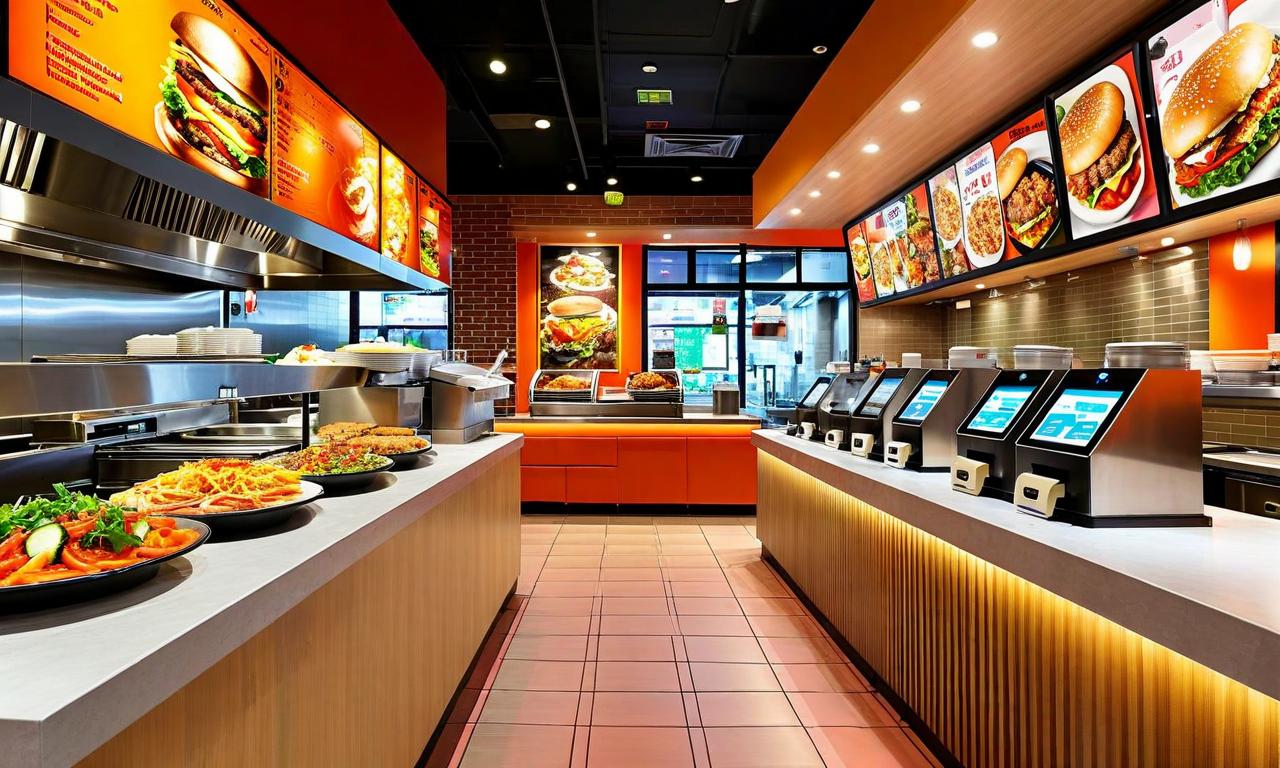
*this image is generated using AI for illustrative purposes only.

Restaurant Brand Asia (Burger King) Limited (RBA) has taken a significant step to enhance employee ownership and align staff interests with those of the company. The fast-food giant, known for operating Burger King in India, has approved the allotment of 150,000 new equity shares under its employee stock option scheme.

Key Details of the Allotment

Aspect Details
Scheme Name BK Employee Stock Option Scheme 2015
Number of Shares Allotted 1,50,000
Face Value per Share Rs. 10
Approving Authority Nomination and Remuneration Committee

Impact on Share Capital

The allotment of these new shares has resulted in an increase in the company's issued and paid-up equity share capital. Here's a breakdown of the changes:

Capital Status Amount (in Rs.)
Pre-Allotment Capital 53,30,00,700
Post-Allotment Capital 54,45,00,700
Increase in Capital 1,15,00,000

Implications and Analysis

This move by Restaurant Brands Asia carries several implications:

  1. Employee Engagement: By offering equity shares to employees, RBA is likely aiming to boost motivation and retention among its workforce.

  2. Alignment of Interests: The stock option scheme helps align employee interests with those of shareholders, potentially leading to improved company performance.

  3. Dilution Effect: While the allotment increases the total number of outstanding shares, the impact on existing shareholders appears minimal given the company's overall share capital.

  4. Long-term Strategy: This allotment suggests RBA's commitment to its long-term growth strategy, with a focus on retaining talent and fostering a sense of ownership among employees.

The newly allotted shares will rank pari-passu with the existing equity shares of the company, meaning they carry equal rights in all respects. This includes voting rights and dividend entitlements.

As Restaurant Brands Asia continues to expand its presence in the competitive fast-food market, such employee-centric initiatives may play a crucial role in maintaining its market position and driving future growth.

Historical Stock Returns for Restaurant Brand Asia (Burger King)

1 Day5 Days1 Month6 Months1 Year5 Years
-2.21%-2.67%-9.60%-23.80%-30.53%-54.68%
Restaurant Brand Asia (Burger King)
View in Depthredirect
like17
dislike

Restaurant Brands Asia Reports Robust Q2 Performance with 15.6% Revenue Growth

2 min read     Updated on 05 Nov 2025, 06:30 AM
scanx
Reviewed by
Ashish TScanX News Team
Overview

Restaurant Brand Asia (formerly Burger King India) reported a 15.6% year-over-year revenue growth to Rs. 568.00 crores in Q2. The company saw a 2.8% same-store sales growth and expanded its restaurant count to 533. Gross margins improved by 60 basis points to 68.3%. Digital transactions now account for 91% of all transactions. The company introduced new menu items and continued focus on value offerings. In Indonesia, Burger King showed recovery signs while Popeyes faced challenges.

23850010

*this image is generated using AI for illustrative purposes only.

Restaurant Brand Asia (Burger King) , formerly known as Burger King India, has reported a strong performance for the second quarter, with revenue growth of 15.6% year-over-year. The company's strategic focus on driving traffic and improving profitability has yielded positive results across key metrics.

Financial Highlights

RBA delivered revenue of Rs. 568.00 crores in Q2, marking a 15.6% growth compared to the same period last year. This growth was driven by a combination of same-store sales growth (SSSG) of 2.8% and new restaurant additions. The company's Average Daily Sales (ADS) stood at Rs. 120,000, maintaining its position within the Rs. 115,000 to Rs. 120,000 range observed in recent quarters.

Profitability Improvements

The company reported significant improvements in its gross margins, which expanded by 60 basis points to reach 68.3%. This enhancement was attributed to supply chain efficiencies and improvements in delivery profitability. Restaurant EBITDA stood at Rs. 59.00 crores, representing a 10.4% margin, while company EBITDA reached Rs. 28.40 crores, translating to a 5% margin.

Operational Highlights

RBA added 14 new restaurants during the quarter, bringing its total restaurant count to 533. The company expects to reach 580 locations by the end of the fiscal year, in line with its target of opening 60-80 new stores annually.

Digital transactions now account for 91% of all transactions, underscoring the company's successful digital-first approach. The management highlighted the potential of its Customer Relationship Management (CRM) initiatives to drive frequency among existing customers in the coming quarters.

Strategic Initiatives

The company has implemented several strategic initiatives to drive growth and improve profitability:

  1. Menu Innovation: RBA introduced the Whopper Deluxe, expanding its core menu offerings at a price point of around Rs. 140-150. This move aims to bridge the gap between value and premium offerings.

  2. Value Proposition: The company continues to focus on its successful value offerings, including the 'two for Rs. 79' and 'two for Rs. 99' deals, which have been instrumental in driving traffic growth.

  3. Operational Efficiency: RBA is implementing various cost-saving measures, including the rollout of new energy-efficient broilers expected to reduce utility costs by approximately 1 percentage point.

  4. Digital Focus: The company is leveraging its digital platforms to enhance customer engagement, with plans to further develop its CRM capabilities to increase visit frequency.

Indonesia Operations

In Indonesia, RBA reported mixed results. The Burger King business showed signs of recovery with positive traffic growth and improved Average Daily Sales. However, the Popeyes business continues to face challenges. The management is exploring strategic options for the Indonesia operations while focusing on cost reduction initiatives.

Outlook

Despite challenging market conditions, RBA remains optimistic about its growth prospects. The company reported strong performance in October and anticipates a positive third quarter. Management expects the recent GST reduction on certain items to have a positive impact on consumer sentiment and sales in the coming months.

RBA's focus on balancing growth with profitability, coupled with its strategic initiatives in menu innovation and operational efficiency, positions the company well for future growth. As consumer sentiment improves and the market cycle turns favorable, RBA aims to leverage its strengthened operational foundation to drive higher profitability and market share.

The company's consistent performance in driving traffic growth, particularly in the dine-in segment, for ten consecutive quarters demonstrates the effectiveness of its strategy in a competitive market environment. As RBA continues to execute its long-term plans, investors and industry observers will be watching closely to see how these efforts translate into sustained financial performance and market leadership.

Historical Stock Returns for Restaurant Brand Asia (Burger King)

1 Day5 Days1 Month6 Months1 Year5 Years
-2.21%-2.67%-9.60%-23.80%-30.53%-54.68%
Restaurant Brand Asia (Burger King)
View in Depthredirect
like19
dislike
More News on Restaurant Brand Asia (Burger King)
Explore Other Articles