Zydus Lifesciences JV signs $20m Sri Lanka pharma facility deal

scanx
Reviewed by
Suketu GScanX News Team
Key Highlights
  • Zydus Lifesciences JV signed agreement with Sri Lanka's Board of Investment on October 13, 2026
  • Project entails phased investment of over $20 million in Horana BOI zone
  • Facility to manufacture oral solid dosage forms for Sri Lankan market
  • Commercial operations targeted to begin in 2028 subject to approvals
powered bylight_fuzz_icon
53590620

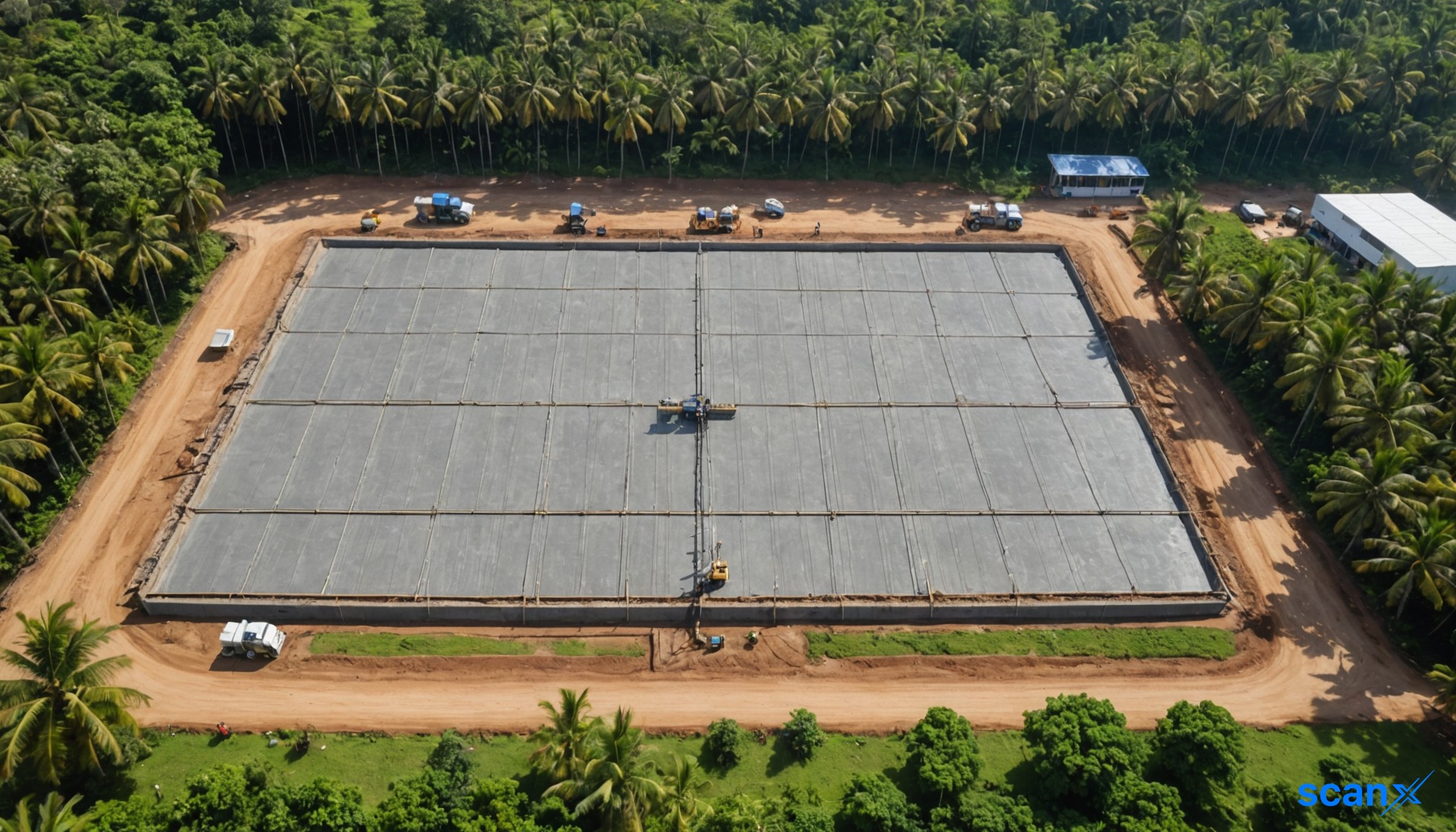
*this image is generated using AI for illustrative purposes only.

Zydus Lifesciences Limited, through its joint venture with Sunshine Healthcare, has signed an agreement with the Board of Investment (BOI) of Sri Lanka to establish a pharmaceutical manufacturing facility. The project involves a phased investment of over $20 million in the BOI zone in Horana, Sri Lanka.

The joint venture, named Zydus Sunshine Lifesciences (Pvt) Ltd, was formed following an announcement on June 26, 2026. The agreement was executed on October 13, 2026. The new facility aims to strengthen medicine supply chain resilience and support the availability of essential medicines in the local market.

Project Scope and Timeline

The initiative represents a strategic expansion of Zydus' international presence. The facility will be developed on a site spanning nearly four acres. Commercial operations are expected to commence in 2028, subject to project timelines and relevant regulatory approvals.

In its first phase, the plant will focus on manufacturing oral solid dosage forms specifically for the Sri Lankan market. This move aligns with the company's commitment to expanding access to quality medicines through local manufacturing capabilities.

Key Deal Parameters

Parameter Detail
Joint Venture Entity Zydus Sunshine Lifesciences (Pvt) Ltd
Partner Sunshine Healthcare (Sunshine Holdings PLC)
Total Investment Over $20 million (phased)
Location BOI Zone, Horana, Sri Lanka
Site Size Nearly four acres
Target Start Date 2028
Primary Product Oral solid dosage forms

Strategic Implications

The partnership leverages the combined strengths of Zydus and Sunshine Holdings PLC to penetrate the Sri Lankan healthcare sector. By establishing a local manufacturing base, the venture addresses logistical challenges associated with imported medicines. The phased investment approach allows for scalable growth aligned with market demand and regulatory milestones.

This development marks a significant step for Zydus in diversifying its geographic footprint beyond established markets. The focus on oral solid dosage forms suggests an initial strategy targeting high-volume, essential therapeutic categories.

Historical Stock Returns for Zydus Life Science

1 Day5 Days1 Month6 Months1 Year5 Years
+1.92%-0.58%+2.43%+24.27%+17.06%+110.68%

How will the phased $20 million investment structure impact Zydus Lifesciences' capital expenditure guidance for the next two fiscal years?

What specific regulatory hurdles might delay the 2028 commercial launch timeline given Sri Lanka's evolving pharmaceutical import policies?

Will the local manufacturing focus in Sri Lanka serve as a template for Zydus to expand into other South Asian markets with similar supply chain vulnerabilities?

Zydus Therapeutics presents Phase 3 saroglitazar data at ACG 2026

scanx
Reviewed by
Jubin VScanX News Team
Key Highlights
  • Composite biochemical response rate reached 60.7% in US subgroup vs 0% for placebo
  • Treatment difference in US subgroup was Δ 60.7%, higher than Δ 41.6% in non-US subgroup
  • Saroglitazar received FDA Priority Review and Fast Track Designation for PBC treatment
  • Launch in the United States is planned for March 2027 if regulatory approval is granted
powered bylight_fuzz_icon
53362094

*this image is generated using AI for illustrative purposes only.

Zydus Lifesciences Limited subsidiary Zydus Therapeutics presented new post hoc analysis of its Phase 3 EPICS-III trial for investigational drug saroglitazar at the American College of Gastroenterology (ACG) 2026 Annual Meeting. The data highlighted a greater biochemical response in US patients compared to non-US subgroups in primary biliary cholangitis (PBC).

The presentation, delivered by Raj Vuppalanchi, MD, Global Principal Investigator for the study, focused on geographic consistency of treatment effects. The analysis compared 28 US patients treated with saroglitazar against 14 placebo-treated patients, and 69 non-US patients (from Argentina, Iceland, and Turkey) against 37 placebo-treated patients.

Biochemical Response Rates

The exploratory analysis revealed composite biochemical response rates were significantly higher with saroglitazar than placebo in both regions. In the US subgroup, the response rate was 60.7% for saroglitazar versus 0% for placebo. In the non-US subgroup, rates stood at 55.1% versus 13.5%.

A larger unstratified treatment difference was observed in the US subgroup (Δ 60.7%) compared to the non-US subgroup (Δ 41.6%). Alkaline phosphatase (ALP) normalization rates at Week 52 showed minimal variation between regions, with differences of 7.7% in the US and 9.6% in non-US patients.

Metric US Subgroup Non-US Subgroup
Saroglitazar Patients 28 69
Placebo Patients 14 37
Composite Biochemical Response (Saroglitazar) 60.7% 55.1%
Composite Biochemical Response (Placebo) 0% 13.5%
Treatment Difference (Δ) 60.7% 41.6%

What the Numbers Show

The data indicates a pronounced efficacy signal in the US cohort, where the treatment difference exceeded the non-US group by approximately 19 percentage points. While ALP normalization rates were comparable across geographies, the change from baseline in ALP levels was numerically greater in the US subgroup (Δ -166.2 U/L) relative to the non-US subgroup (Δ -104.7 U/L). This suggests that while the threshold for normalization was met at similar rates, the magnitude of biochemical improvement was more substantial in the US population.

Regulatory Status and Outlook

Saroglitazar is a novel Peroxisome Proliferator-Activated Receptor (PPAR) α/γ agonist currently under investigation for PBC. It has received Orphan Drug Designation, Fast Track Designation, and Priority Review from the U.S. Food and Drug Administration (FDA). The drug is not yet approved by the FDA.

Zydus Therapeutics plans to launch saroglitazar in the United States by March 2027 if approved. The EPICS-III trial was a multicenter, randomized, double-blind, placebo-controlled study involving 148 patients randomized in a 2:1 ratio. Saroglitazar was generally well tolerated, with adverse events balanced between treatment and placebo groups.

Historical Stock Returns for Zydus Life Science

1 Day5 Days1 Month6 Months1 Year5 Years
+1.92%-0.58%+2.43%+24.27%+17.06%+110.68%

How will the FDA interpret the significant disparity in treatment efficacy between the small US subgroup and the larger non-US cohort during the Priority Review process?

What are the potential commercial implications for Zydus Therapeutics if the FDA requires additional US-specific clinical trials to validate the enhanced response seen in American patients?

How might competitor companies with approved PBC therapies adjust their market positioning strategies in anticipation of saroglitazar's potential launch in March 2027?

More News on Zydus Life Science

1 Year Returns:+17.06%